CAS 151-21-3 | Chemical Industry / Biotech Materials Market Update
Global SDS market size tops USD 2.6 billion in 2025; pharma-grade demand and green compliance redefine industry competition through 2034
The global Sodium Dodecyl Sulfate (SDS, CAS 151-21-3) market is undergoing a major structural transformation, driven by rapid biotech sector expansion and tightening worldwide sustainability regulations. Long dominated by personal care and detergent end uses, the SDS industry is shifting toward high-value, certified, and low-carbon production, creating new supply chain dynamics and long-term growth opportunities through the forecast period to 2034.
Current Market Valuation and Growth Forecast
As of 2025, the global SDS market has achieved a base market value of approximately USD 2.6 billion. Industry projections indicate the market will exceed USD 3.9 billion by 2034, registering a4.9%CAGR during the 2026–2034 forecast window.
Historically, SDS demand was concentrated in conventional consumer sectors including personal care, oral care, and household detergents. However, two transformative factors are now reshaping market fundamentals: the booming biopharmaceutical manufacturing industry and globally enforced sustainability mandates for chemical supply chains.
Regionally, Asia-Pacific remains the world’s largest SDS consumption market, supported by fast industrial growth, expanding local cosmetics and hygiene industries, and rising public health awareness. The region’s personal care SDS segment maintains a CAGR above 5%, while biotech reagent and pharma-grade SDS micro-segments deliver double-digit annual growth.
North America’s market development is guided by strict environmental policies favoring low-VOC, green surfactant formulations, pushing downstream brands to adopt high-purity, eco-certified SDS in product reformulation. In Europe, stringent REACH safety standards and a mature chemical manufacturing base sustain steady high-barrier demand for SDS in automotive cleaning, industrial maintenance, and premium consumer product applications.
Biotech Sector Emerges as Key High-Growth Demand Driver
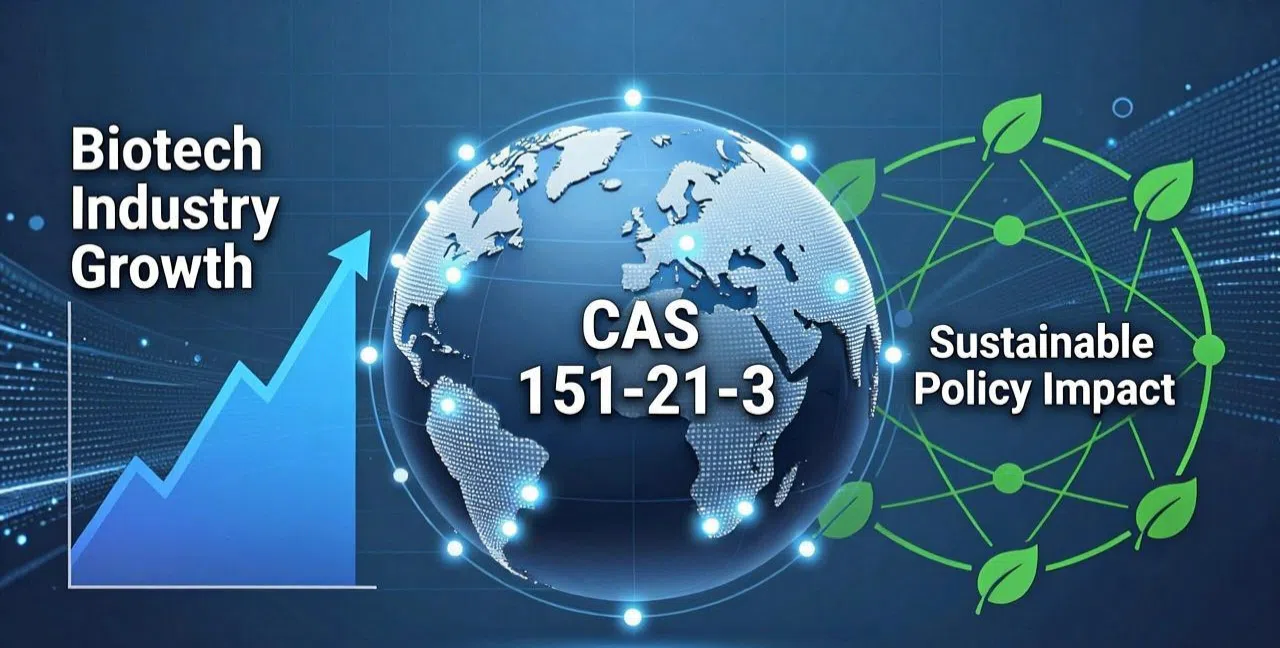
For decades, industrial-grade and food-grade SDS accounted for over 70% of global consumption, widely applied in shampoos, toothpastes, liquid detergents, textile processing, and food emulsification. In recent years, the biotech and biopharmaceutical sector has become the fastest-growing demand engine for high-purity SDS, overhauling the industry’s traditional product value structure.
Once a niche laboratory reagent, pharma-grade high-purity SDS is now a critical indispensable material for large-scale biomanufacturing. It serves as a core component for protein electrophoresis, a key solubilizing agent for membrane protein extraction, and a vital raw material for producing mRNA vaccine lipid nanoparticle (LNP) precursors.
Since 2023, continuous biopharma capacity expansion across the U.S., EU, India, and China has driven year-on-year pharma-grade SDS demand growth of over 18% globally. The explosive demand surge has triggered a prominent supply imbalance.
Most traditional SDS manufacturers focus on high-volume, low-margin industrial-grade production and lack GMP certification and full product traceability systems required for pharmaceutical supply chain access. As a result, premium pharma-grade SDS now commands a 3–5 times price premium compared with standard industrial-grade products, prompting leading specialty chemical enterprises to invest in dedicated high-purity production lines and dust-free, standardized manufacturing facilities.
Global Sustainability Regulations Restructure SDS Supply Chains
In parallel with biotech demand growth, tightening global sustainability policies have become a core force restructuring the SDS industry supply chain. Updated EU REACH regulations, U.S. EPA surfactant environmental labeling rules, and China’s Double Carbon emission standards have collectively raised compliance thresholds for SDS production, transportation, and end-use application.
Traditional high-pollution fatty alcohol sulfation production techniques are being gradually phased out. In contrast, green production routes adopting bio-based lauryl alcohol sourced from coconut and palm kernel oil are seeing rapid market penetration.
Regulatory pressure has triggered two major supply chain shifts worldwide. First, global buyers no longer prioritize low costs alone. Suppliers are now required to provide complete carbon footprint reports, valid REACH registration certificates, SGS sustainability audit documents, and circular economy compliance verification.
Second, regional supply chain restructuring is accelerating. Downstream enterprises are reducing reliance on single-source raw material supplies and building diversified, resilient multi-region supply networks that balance cost efficiency and global regulatory compliance.
Chinese SDS manufacturers, holding 55% of global total production capacity, are undergoing unprecedented quality upgrading and international certification iteration, transforming from low-cost basic suppliers into core participants in the global high-purity SDS market.
2034 Industry Outlook: High-Value, Green, Resilient Market Development
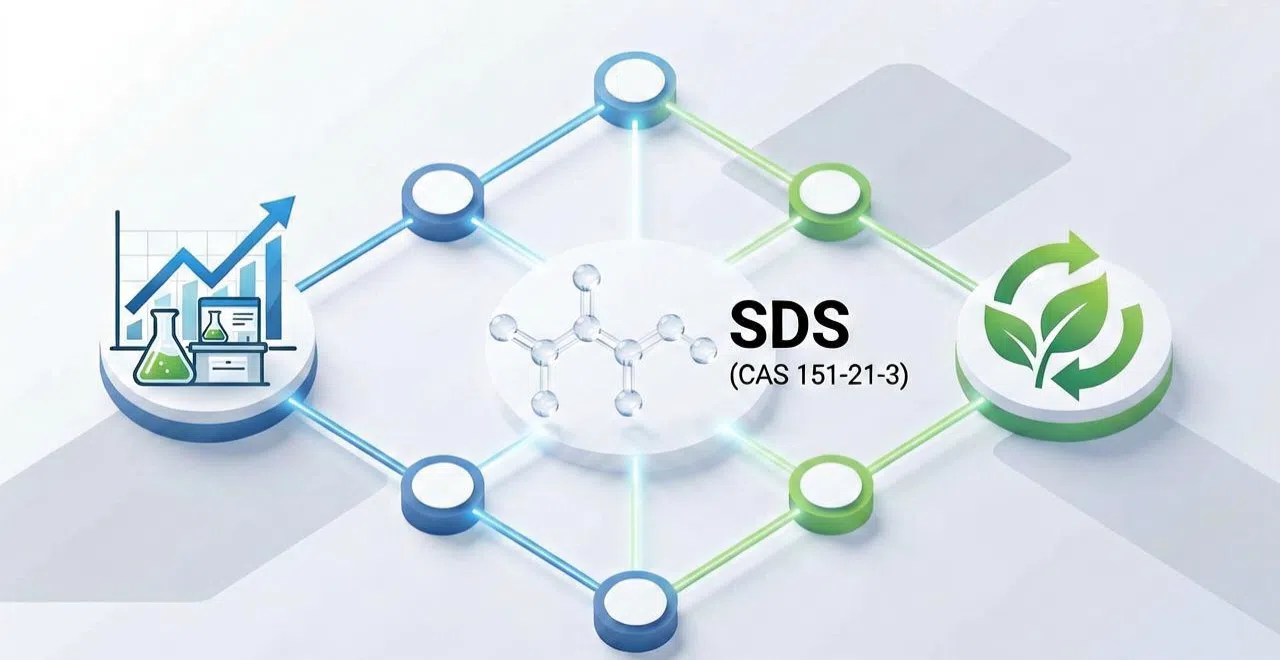
Looking ahead to 2034, the global SDS market will continue evolving toward segmented differentiation, high-value upgrading, and sustainability-driven development. The biotech industry will remain the highest-growth end-use segment, while green chemistry, carbon reduction, and supply chain transparency will become universal competition rules across the industry.
For industrial purchasers, the core challenge has shifted from simple volume supply security to building a comprehensive procurement system that meets multi-grade product specifications, global environmental compliance standards, and long-term supply chain resilience.
Moving forward, enterprises that effectively match product upgrading with biotech market demand and integrate sustainable production systems into global distribution layouts will dominate the competitive landscape of the SDS industry over the next decade.