Products Description of Inositol CAS#87-89-8
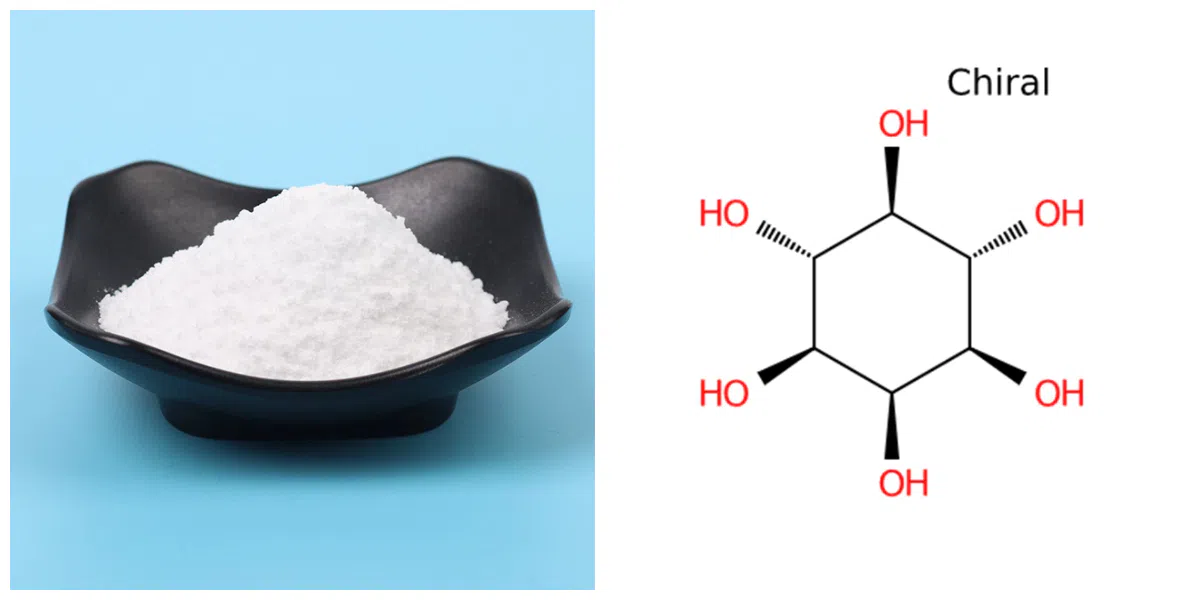
Myo-Inositol, with alternative aliases including cyclohexanol, hexahydroxycyclohexane, cyclohexitol and inositol, is categorized as a member of the B vitamin family. Owing to the varying orientations of hydroxyl groups relative to the cyclohexane ring plane, it has nine distinct isomeric configurations in total: seven non-optically active isomers, plus two optically active levorotatory and dextrorotatory forms.
In natural environments, Myo-Inositol is widely distributed in biological tissues in both free and conjugated states, serving as a ubiquitous constituent of animal and plant cells. It can be biosynthesized by microorganisms in the digestive tract, and exerts a regulatory effect on carbohydrate and lipid metabolism. In animal organisms, it predominantly exists as phosphatidylinositol, with remarkably high enrichment levels in tissues such as the brain, myocardium and skeletal muscle.
Inositol Chemical Properties
| Melting point | 222-227 °C (lit.) |
| Boiling point | 232.96°C (rough estimate) |
| density | 1.75 |
| vapor density | 6.2 (vs air) |
| refractive index | 1.6170 (estimate) |
| storage temp. | 2-8°C |
| solubility | H2O: 0.5 M at 20 °C, clear, colorless |
| pka | 12.63±0.70(Predicted) |
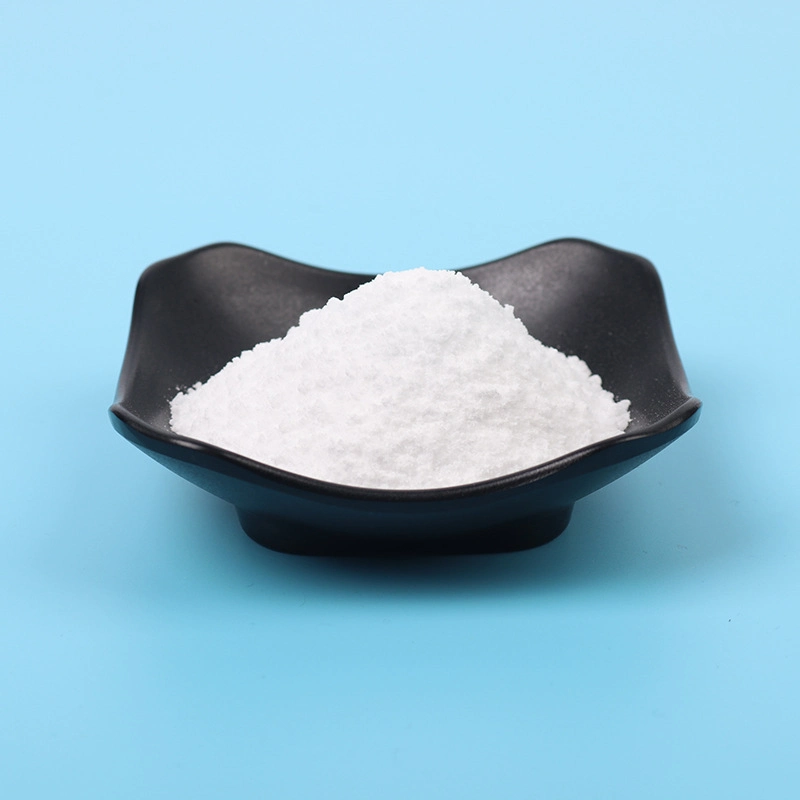
| form | Crystalline Powder |
| color | White |
| PH | 5-7 (100g/l, H2O, 20℃) |
| Odor | odorless |
| Water Solubility | 14 g/100 mL (25 ºC) |
| Merck | 144978 |
| BRN | 1907328 |
| Stability: | Stable. Combustible. Incompatible with strong oxidizing agents. |
| InChIKey | CDAISMWEOUEBRE-GPIVLXJGSA-N |
| LogP | -2.08 |
| CAS DataBase Reference | 87-89-8(CAS DataBase Reference) |
| NIST Chemistry Reference | Hexahydroxycyclohexane(87-89-8) |
| EPA Substance Registry System | myo-Inositol (87-89-8) |
| Safety Statements | 22-24/25 |
| WGK Germany | 2 |
| RTECS | NM7520800 |
| TSCA | Yes |
| HS Code | 29061390 |
Product Application of Inositol CAS#87-89-8
Inositol is classified as an essential vitamin that actively participates in the body’s internal lipid metabolic pathways. It can facilitate the absorption of vitamin formulations and lipid-lowering pharmaceuticals, amplify fat metabolism and cell proliferation in the liver and other target tissues, and is therefore deployed as an auxiliary component in the adjuvant treatment of fatty liver and hyperlipidemia.
Inositol has secured broad application as a functional additive in the food and feed sectors, where it is commonly supplemented in the feed formula for fish, shrimp, livestock and poultry, with a recommended dosage range of 350–500 mg per kilogram of feed.
It also finds extensive usage across pharmaceutical manufacturing, fine chemical industries and food processing fields. Inositol supports therapeutic applications for liver function disorders, vascular sclerosis and other related conditions, and can act as a high-value raw material for premium cosmetics, delivering remarkable economic benefits.