

When most consumers reach for a bottle of sunscreen, brew a hot coffee at home, or step into a freshly cleaned car, they rarely stop to consider the invisible chemical components that make these ordinary moments possible. Behind nearly every household product, personal care routine and daily convenience lies a carefully engineered supply chain of specialty chemicals, industrial intermediates and formulation ingredients that turn raw petrochemical and bio-based feedstocks into safe, functional and user-friendly consumer experiences. As global consumer demand for higher product performance, longer shelf life and more sustainable formulations continues to rise, the connection between industrial chemical manufacturing and everyday life is growing more intertwined than ever before, creating new market opportunities for B2B chemical suppliers that can balance technical performance, regulatory compliance and environmental responsibility.
The personal care and cosmetics sector stands as one of the most chemically intensive daily consumption segments, where even a single bottle of moisturizer or toothpaste can rely on more than 20 different carefully selected chemical ingredients to deliver its advertised benefits. Vitamin E, long recognized as a core antioxidant in skincare formulations, now sees expanding application across anti-aging creams, lip balms and sun protection products, where it helps stabilize active ingredients, reduce oxidative skin damage and extend product shelf life without introducing harsh irritants. Recent market data shows that global Vitamin E demand for personal care use has grown 6.2% year-on-year in 2026, driven by rising consumer preference for “skin-nourishing” and antioxidant-focused daily skincare products, rather than its more traditional industrial use in animal feed additives.
Oral care products represent another high-growth chemical application area that directly touches billions of people every day. Chlorhexidine, a widely researched antibacterial active ingredient, has moved far beyond its original clinical dental treatment use to become a standard functional component in premium daily mouthwashes, anti-plaque toothpastes and long-lasting breath care products. Unlike ordinary alcohol-based oral rinses that only provide short-term freshness, properly formulated chlorhexidine-based products can maintain effective antibacterial performance for 6 to 8 hours after use, helping reduce gum inflammation and plaque buildup for users who cannot visit dental clinics frequently. Current global B2B procurement trends indicate that chlorhexidine raw material orders for daily oral care formulations have increased 18% in the past 12 months, as mid-tier and mass-market personal care brands begin upgrading their product lines with clinically validated functional ingredients.
Even the food and beverage consumption that people take for granted every day relies heavily on advanced chemical technology to improve taste, texture and nutritional value. Palatinose, a low-glycemic functional disaccharide derived from sucrose, has emerged as one of the most promising new generation sweetener ingredients in the global food industry in 2026. Unlike high-fructose corn syrup or ordinary table sugar that cause rapid blood sugar spikes, palatinose is slowly and fully metabolized by the human body, providing sustained low-level energy release without triggering sharp insulin fluctuations. This unique property has made it a highly popular ingredient in sports nutrition bars, children’s breakfast cereals, sugar-free beverages and low-glycemic baked goods, where it delivers a clean, sucrose-like taste without the bitter aftertaste common to many artificial sweeteners. The global palatinose market for daily food applications is projected to exceed 280,000 metric tons by 2027, as more mainstream food manufacturers replace traditional high-glycemic sweeteners to meet consumer demand for healthier daily eating habits.
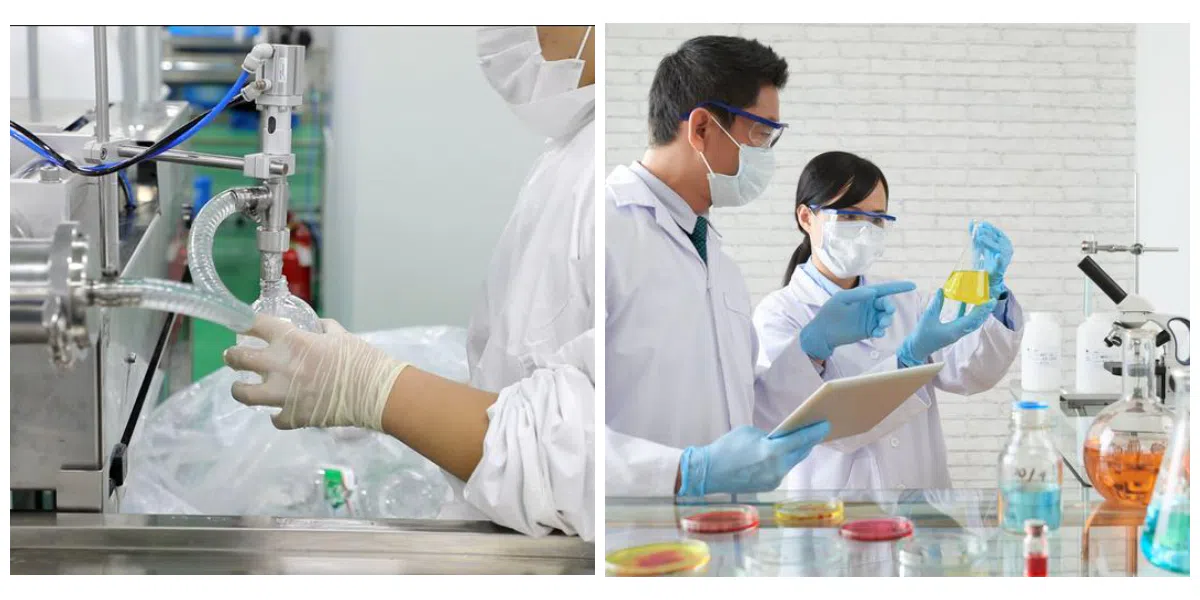
Beyond these directly visible consumer products, basic industrial chemicals quietly support almost every hidden daily convenience that modern society depends on. Butyl Glycol, a high-performance glycol ether, serves as an efficient, low-volatility coalescing agent in water-based architectural paints and household cleaning products, helping paint films form smoothly at room temperature and preventing cleaning solutions from leaving streaky residues on glass, ceramic and metal surfaces. Without this chemical additive, ordinary latex wall paint would easily crack during application in low-temperature environments, and multi-surface household cleaners would struggle to dissolve stubborn grease and kitchen stains effectively. Methanol, often misunderstood only as an industrial fuel or chemical feedstock, plays a critical role in producing formaldehyde-based adhesive resins that are used in the manufacturing of domestic furniture, kitchen cabinets and laminated flooring, ensuring that wood-based panels maintain long-term structural stability and meet global low-emission indoor air quality standards.
Paraffin, one of the most widely recognized basic wax chemicals, extends its daily use far beyond traditional candle making. In modern household applications, fully refined paraffin wax is used to produce non-stick food wrapping paper, waterproof coating for daily packaging containers and even temperature-stable phase change materials that help maintain a comfortable constant temperature in home bedding and mattress products. Glycerol, a natural polyol derived from both vegetable oil and biodiesel byproduct streams, acts as a universal humectant in hand creams, body lotions, liquid soaps and even daily bread dough, preventing skin dryness in low-humidity winter weather and keeping baked goods soft and moist for a longer shelf life. Citric acid, a common organic acid, has become the most widely used natural acidity regulator in carbonated drinks, canned food, dishwashing detergents and daily descaling products, delivering a mild, non-toxic cleaning and flavor-adjusting effect that consumers trust across almost every household. Phosphoric acid, beyond its well-known use in cola beverages, serves as a key rust-removing agent in household metal cleaners and a corrosion inhibitor in water treatment formulations for domestic water heaters, protecting home plumbing systems from premature scaling and extending equipment service life by several years.
The global push for sustainable daily products is now reshaping the entire chemical supply chain for consumer-facing applications at an unprecedented speed. More and more B2B chemical buyers are no longer only evaluating raw materials based on unit price, but also reviewing full-lifecycle carbon footprint data, biodegradability test results and compliance with regional regulatory standards such as EU REACH, US FDA food contact regulations and China GB cosmetic safety specifications. This shift has created clear market differentiation: chemical manufacturers that can provide complete regulatory documentation, stable batch-to-batch product quality and transparent supply chain traceability are gaining faster access to mid-to-high end consumer brand clients, while suppliers that only offer generic uncertified industrial grades are finding it increasingly difficult to enter the fast-growing daily application chemical market.
Recent industry roundtable discussions at major global chemical exhibitions have highlighted one particularly notable trend: small and medium-sized formulators and consumer brands now account for more than 40% of total specialty chemical procurement volume for daily use applications, a share that was less than 25% just five years ago. These smaller players are extremely sensitive to minimum order quantities, custom formulation technical support and fast sample delivery, creating a completely new market segment that traditional large-volume basic chemical suppliers have not fully served. For chemical distributors and contract manufacturers that can adapt their service models to offer flexible MOQs, localized technical support and pre-tested formulation solutions, this fast-growing segment represents one of the most profitable growth areas in the entire chemical industry over the next three years.
Even as chemical applications in daily life become more widespread, public misunderstanding and misinformation about chemical ingredients remain a persistent industry challenge. Many consumer-facing social media narratives incorrectly frame all “chemical-sounding” ingredients as automatically harmful, ignoring the fact that every substance on Earth, including ordinary water and natural salt, is chemically defined. This information gap creates unnecessary market barriers for responsibly produced chemical ingredients that have passed decades of rigorous toxicology testing and human safety assessments. Leading global chemical industry associations have begun launching public science communication campaigns, explaining to ordinary consumers that the safety of a product depends far more on the specific purity level, controlled dosage and proper application scenario, rather than whether an ingredient can be described with a formal chemical name.
Looking ahead to 2027 and beyond, the daily application chemical market will continue to be defined by three core driving forces: functional innovation, sustainability and regulatory transparency. New generations of nature-derived, biodegradable and skin-friendly chemical ingredients will gradually replace older, less environmentally friendly formulations across personal care, home cleaning and food contact products. At the same time, B2B chemical suppliers that can bridge the technical communication gap between industrial manufacturing end-users and final consumer markets will build far stronger brand loyalty, as their clients recognize that professional chemical expertise is the invisible foundation that makes every safe, comfortable and high-performance daily consumer product possible.