
Vitamin E CAS#59-02-9: A High-Activity Antioxidant Driving Global Nutraceutical, Feed and Cosmetic Supply Chains
Introduction to Vitamin E CAS#59-02-9
Vitamin E CAS#59-02-9, commonly referred to as D-alpha-tocopherol, is the most biologically active naturally occurring form of the vitamin E family, widely recognized as one of the most potent lipid-soluble antioxidants in global food, feed, nutraceutical and cosmetic industries. With the molecular formula C₂₉H₅₀O₂ and a molecular weight of 430.71 g/mol, Vitamin E CAS#59-02-9 is structurally distinguished by its chromanol ring and phytyl tail, a configuration that enables it to neutralize free radicals and protect cell membranes from oxidative damage far more effectively than other tocopherol isoforms. Unlike synthetic racemic vitamin E blends, naturally sourced Vitamin E CAS#59-02-9 delivers approximately 1.36 times the biological activity of equivalent IU synthetic grades, making it the preferred active ingredient for high-end supplement, clinical nutrition and premium skincare formulations.
In 2026 global B2B ingredient trade, Vitamin E CAS#59-02-9 has evolved from a standard nutritional additive to a high-priority supply chain commodity, driven by surging demand for clean-label antioxidants, aging population health trends and premium livestock nutrition requirements. For industrial buyers across nutraceutical manufacturing, animal feed production, food fortification and cosmetic formulation, understanding the technical specifications, current market dynamics and regulatory compliance requirements of Vitamin E CAS#59-02-9 is essential to securing stable, cost-effective, quality-assured bulk supplies in an increasingly tight global market.
Technical Profile and Core Functional Properties of Vitamin E CAS#59-02-9
Chemical and Physical Specifications
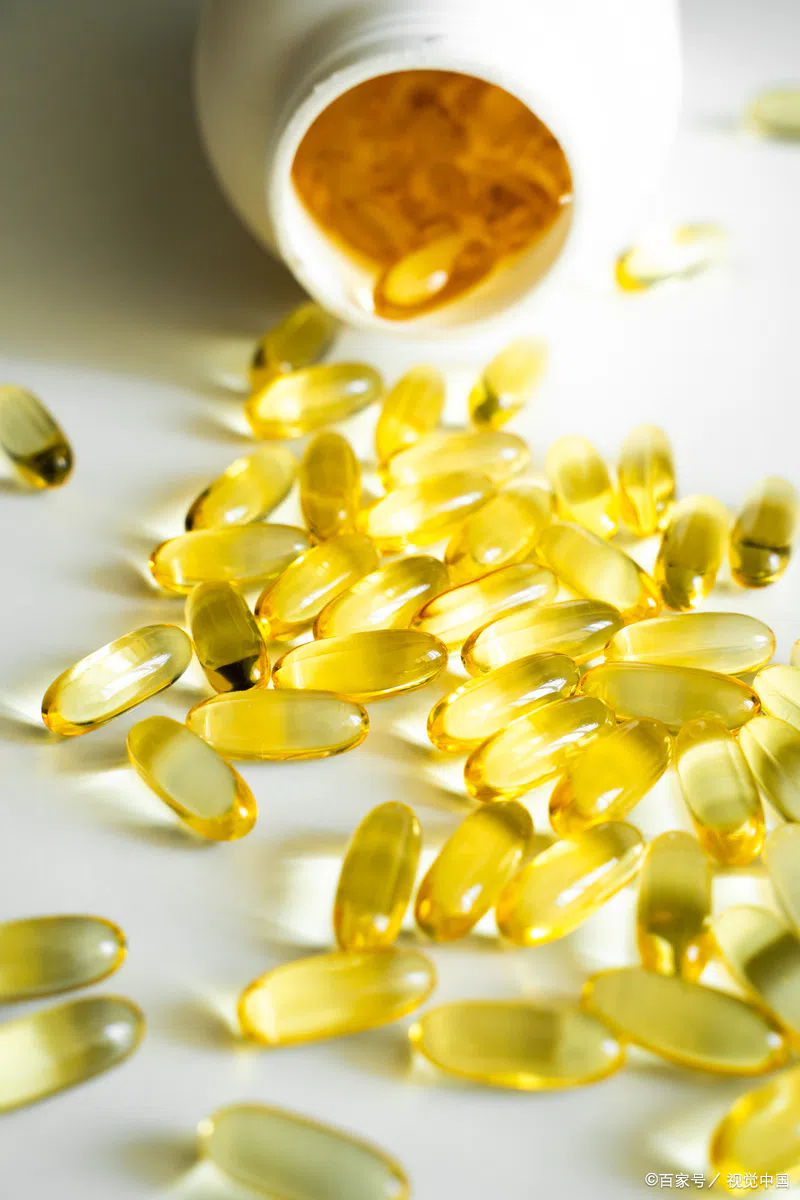
Commercial bulk Vitamin E CAS#59-02-9 is typically supplied as a clear, pale yellow to amber viscous oily liquid, with minimum HPLC purity ranging from 67% to 96% depending on activity grade, corresponding to international unit (IU) potencies of 1000 IU/g up to 1430 IU/g. High-quality industrial batches maintain acid values below 2.0 mg KOH/g, peroxide values under 10 meq/kg, and heavy metal (as Pb) content capped at 10 ppm, with arsenic and lead limits strictly controlled below 2 ppm to meet global food and pharmacopeia safety standards. The compound is nearly insoluble in water, freely miscible with acetone, anhydrous ethanol, vegetable oils and fat matrices, and demonstrates excellent thermal stability across standard food processing, softgel encapsulation and cosmetic emulsion production workflows.
With a melting point between 2.5°C and 3.5°C and a density of approximately 0.95 g/mL at 25°C, Vitamin E CAS#59-02-9 is a light-sensitive material that requires packaging in nitrogen-flushed, light-resistant containers to preserve full activity during long-term storage. It is also available in microencapsulated cold-water-soluble (CWS) powder forms ranging from 340 IU/g to 700 IU/g for applications requiring water dispersibility, such as dry beverage mixes, bakery fortification and feed premix production. All commercial grades of Vitamin E CAS#59-02-9 align with USP, FCC, EU E307 and GB 1886.233 international food and pharmaceutical standards for global market access.
Key Functional Benefits for Industrial Formulators
The core value of Vitamin E CAS#59-02-9 across industries stems from its unmatched free radical scavenging ability. As a lipid-phase antioxidant, it integrates directly into cell membrane lipid bilayers, interrupting oxidative chain reactions and protecting polyunsaturated fatty acids from degradation—a function that translates to measurable benefits across every end-use sector. In human nutrition, this activity supports immune function, cardiovascular health, skin barrier integrity and neurological health, making it a foundational ingredient in multivitamin formulations, prenatal supplements, anti-aging skincare products and clinical nutrition preparations.
For food and beverage manufacturers, Vitamin E CAS#59-02-9 acts as a dual-function ingredient: it fortifies products with essential nutritional value while simultaneously extending shelf life by preventing fat rancidity and oxidative flavor deterioration in edible oils, fried snacks, dairy products and infant formula. In livestock and aquaculture feed production, even low inclusion rates of Vitamin E CAS#59-02-9 significantly improve animal fertility, reduce oxidative stress during high-density rearing, enhance meat color stability, and boost overall disease resistance. For cosmetic formulators, it provides proven anti-photoaging benefits, reduces UV-induced skin damage, and stabilizes other active ingredients in serums, creams and sun care formulations, driving its widespread adoption in the global clean beauty segment.
2026 Global Market Landscape and Emerging Demand Trends
Current Market Size, Pricing and Regional Demand
As of 2026, the global natural Vitamin E CAS#59-02-9 market has reached a total value of 758 million USD, with annual global production exceeding 16,600 metric tons and an average bulk unit price stabilizing at approximately 44 USD per kilogram for standard food-grade material, per Global Info Research industry data. The market is projected to grow at a compound annual growth rate of 6.9% through 2032, reaching 1.16 billion USD by the end of the forecast period, making it one of the fastest-growing nutritional ingredient categories in the global health and wellness space.
The Asia-Pacific region dominates global Vitamin E CAS#59-02-9 production, accounting for over 75% of total global output, with leading production clusters located in China’s Zhejiang, Shandong and Jiangsu provinces. Leading global suppliers operate fully integrated production chains from key intermediate synthesis (trimethylhydroquinone and isophytol) to final tocopherol purification, maintaining annual production capacities ranging from several thousand to over 60,000 metric tons. Europe and North America represent the largest high-value import markets, where demand for non-GMO, sustainably sourced natural Vitamin E CAS#59-02-9 for premium nutraceutical and cosmetic applications continues to outpace supply, while Latin America, the Middle East and Southeast Asia are seeing fast-growing demand for feed-grade and food-fortification grades to support expanding livestock and processed food sectors.
Key 2026 Industry Trends Shaping Procurement Decisions
One of the most defining market shifts in 2026 for Vitamin E CAS#59-02-9 is the accelerating consumer preference for naturally sourced tocopherols over fully synthetic alternatives. Natural D-alpha-tocopherol (CAS#59-02-9) now captures over 42% of global vitamin E supplement market share, as clinical data continues to demonstrate its superior bioavailability compared to synthetic DL-alpha-tocopherol blends, a gap that clean-label brands are increasingly highlighting in product marketing. This shift has pushed certified non-GMO, plant-extracted Vitamin E CAS#59-02-9 grades to command a 30–45% price premium over synthetic equivalents, with demand growth for natural grades running twice as fast as synthetic vitamin E categories.
A second high-impact trend is the rapid expansion of application scope beyond traditional supplement and feed use cases. The cosmetic and personal care sector has emerged as the fastest-growing end-use segment, with Vitamin E CAS#59-02-9 incorporation in skincare formulations growing at over 9% annually as the global clean beauty movement expands. In the food sector, plant-based meat and alternative protein producers are increasingly adopting Vitamin E CAS#59-02-9 as a natural preservative to replace synthetic antioxidants, aligning with clean label requirements from major global grocery chains. Even the pet nutrition segment is seeing accelerating demand, as premium pet food manufacturers add high-bioavailability Vitamin E CAS#59-02-9 to senior pet and functional treat formulations.
Supply Chain, Regulatory Compliance and B2B Sourcing Best Practices
Global Trade and Logistics Dynamics
For international B2B buyers sourcing bulk Vitamin E CAS#59-02-9 in 2026, supply chain visibility and forward planning have become critical risk mitigation priorities. The global vitamin E market operates as a highly concentrated oligopoly, with only 6 core global producers controlling over 92% of global production capacity, meaning scheduled plant maintenance, raw material shortages or regional logistics disruptions can rapidly trigger price volatility. In Q3 2026, European feed-grade vitamin E prices ranged from 6.8 to 7.5 EUR per kilogram, while Chinese domestic bulk prices stabilized between 55 and 60 RMB per kilogram following scheduled production maintenance at major domestic facilities in August and September.
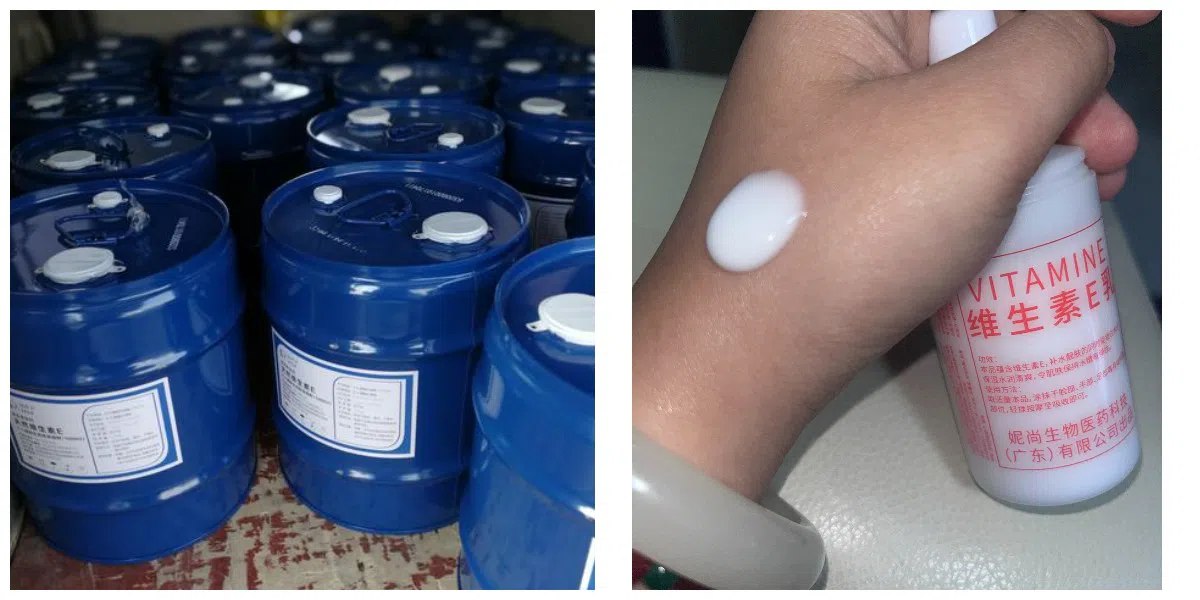
Standard bulk Vitamin E CAS#59-02-9 shipments are classified as non-hazardous food-grade goods, with standard export packaging including 20kg food-grade HDPE drums, 190kg steel drums and 900kg IBC totes for liquid grades, and 25kg multi-ply kraft bags for microencapsulated powder grades. Major export ports including Shanghai, Tianjin and Qingdao handle the majority of global Chinese-origin Vitamin E CAS#59-02-9 shipments, with established sea freight routes connecting to North American, European, Mediterranean and Southeast Asian destination markets. Leading export suppliers offer flexible CFR and CIF trade terms to international buyers, allowing purchasers to lock in stable landed costs without managing complex cross-border freight and insurance arrangements.
Compliance and Quality Verification Guidance for B2B Buyers
When selecting a Vitamin E CAS#59-02-9 supplier, industrial buyers should prioritize manufacturers capable of providing full batch traceability and multi-standard certification. Critical documentation required for smooth cross-border clearance includes a detailed Certificate of Analysis (COA) for every shipment listing full potency, purity, heavy metal and microbial test results, a current Material Safety Data Sheet (MSDS), and applicable third-party certifications including GMP, HACCP, Kosher, Halal, and ISO 9001. For buyers supplying the European Union and United States markets, additional non-GMO certification, residual solvent testing, and compliance with EFSA and FDA food additive regulations are mandatory to avoid customs detentions.
It is critical for buyers to verify actual biological activity rather than relying solely on label purity claims, as different Vitamin E CAS#59-02-9 grades carry widely varying IU potencies. Reputable suppliers will provide independent third-party HPLC assay verification for every batch, confirming exact D-alpha-tocopherol content and eliminating the risk of adulteration with lower-activity synthetic blends. For large-volume annual contracts, locking in fixed pricing with volume flexibility clauses is strongly recommended to hedge against the industry’s well-documented cyclical price volatility, which historically has seen prices double or triple in periods of unexpected production disruption.
Conclusion
Vitamin E CAS#59-02-9 has firmly established its position as a foundational high-value ingredient across the global nutraceutical, animal feed, food fortification and cosmetic industries, offering an unmatched combination of high biological activity, natural origin, multi-functionality and broad regulatory acceptance. As global demand for clean-label, natural, high-bioavailability nutritional ingredients continues to accelerate through the rest of the decade, the Vitamin E CAS#59-02-9 market will maintain strong, stable growth with expanding high-value application opportunities. For B2B industrial buyers, partnering with a reliable, fully certified Vitamin E CAS#59-02-9 supplier with integrated production capacity and transparent quality control systems will not only ensure consistent production continuity but also provide a critical competitive edge in capturing fast-growing market demand for natural antioxidant and nutritional products across all core end-use sectors.