
Palatinose CAS#58166-27-1: A Low-Glycemic Sweetener Reshaping Global Food and Nutraceutical Supply Chains
Palatinose CAS#58166-27-1, also widely recognized as isomaltulose, is a naturally occurring disaccharide synthesized via enzymatic conversion from sucrose. With the molecular formula C₁₂H₂₂O₁₁ and a molar mass of 342.3 g/mol, it stands out as a non-cariogenic, low-glycemic sweetener that delivers a clean, sucrose-like taste profile without triggering the sharp postprandial blood glucose spikes associated with conventional table sugar. Unlike a large number of artificial sweeteners and high-intensity sugar substitutes that currently dominate the market, Palatinose CAS#58166-27-1 offers 42–50% of the sweetness intensity of sucrose, with zero bitter aftertaste, making it an exceptionally versatile ingredient for food, beverage, and dietary supplement formulation development.
In global B2B trade, Palatinose CAS#58166-27-1 has rapidly transitioned from a niche functional carbohydrate to a mainstream supply chain staple for manufacturers targeting health-focused consumer segments. Its unique chemical structure, where the glycosidic bond is rearranged from the (1→2) linkage found in sucrose to a far more stable (1→6) configuration, endows it with distinct physiological and processing advantages that conventional sugars simply cannot match. For industrial purchasers, gaining a full grasp of its technical specifications, market dynamics, and global regulatory landscape has become a core prerequisite for securing stable, compliant, and cost-effective ingredient supplies.
Technical Profile and Core Functional Properties of Palatinose CAS#58166-27-1
Chemical and Physical Specifications
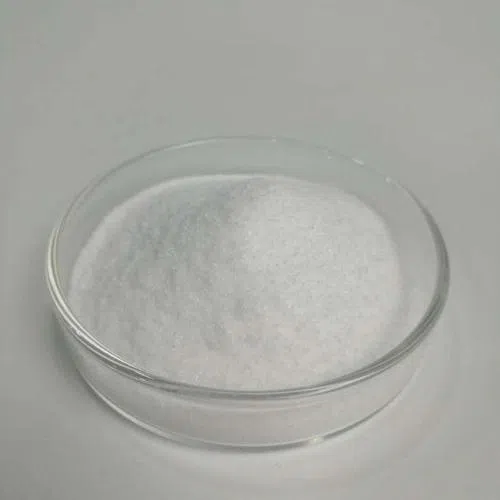
Commercial-grade Palatinose CAS#58166-27-1 is typically supplied in the form of white crystalline granules or a fine, completely odorless powder, with a minimum HPLC purity of 98% on a dry weight basis. Top-tier industrial batches maintain moisture content below 0.5% and ash content under 0.1%, while a 10% aqueous solution delivers a stable pH value ranging from 5.0 to 7.0, ensuring full compatibility with the vast majority of standard food processing workflows. Unlike sucrose, Palatinose CAS#58166-27-1 exhibits extremely low Maillard browning reactivity under conventional baking conditions, allowing manufacturers to preserve the natural color and appearance of baked goods, confectionery, and extruded products without undesired darkening.
Its melting point falls in the range of 145°C to 150°C, and it demonstrates exceptional thermal stability across pasteurization, UHT sterilization, and high-temperature extrusion processes — a critical performance attribute that many other low-glycemic sweeteners cannot deliver consistently. The product is nearly insoluble in ethanol, while its room-temperature water solubility is slightly lower than that of sucrose, rising to near-sucrose solubility levels as temperature increases, making it easy to integrate seamlessly into both liquid beverage formulations and solid food matrices.
Key Functional Benefits for Industrial Formulators
One of the most high-value properties of Palatinose CAS#58166-27-1 is its complete, slow absorption in the small intestine. Unlike rapidly digested simple sugars that trigger sharp post-meal blood glucose surges, Palatinose CAS#58166-27-1 is hydrolyzed gradually by the body’s native digestive enzymes, delivering a steady, sustained release of glucose over an extended period. This results in a significantly lower glycemic index (GI) compared to sucrose, a characteristic that has made it a preferred ingredient for sports nutrition products, weight management formulations, and low-GI food lines tailored for consumers prioritizing blood sugar control.
Additionally, Palatinose CAS#58166-27-1 is fully non-cariogenic. Oral bacteria in the human mouth cannot ferment it into enamel-eroding acid, so it does not contribute to dental caries — an advantage that has driven its widespread adoption in sugar-free confectionery, chewing gum, and children’s food products. For dietary supplement producers, particularly those manufacturing turmeric softgels and offering vitamin C capsule OEM services, Palatinose CAS#58166-27-1 also functions as an excellent taste-masking agent, capable of neutralizing the bitter or metallic aftertaste associated with many active nutraceutical compounds without requiring additional flavor modifiers.
Global Market Landscape and 2026 Industry Trends for Palatinose CAS#58166-27-1
Current Market Size and Regional Demand Distribution
As of 2026, the global Palatinose CAS#58166-27-1 market has expanded at a compound annual growth rate of over 7.2% over the past five years, with total annual industrial consumption exceeding 180,000 metric tons. The Asia-Pacific region currently accounts for the largest share of global production and consumption, driven by robust food manufacturing sectors in China, Japan, and South Korea, where low-glycemic and clean-label product trends have rapidly gained mainstream traction. Europe and North America follow closely behind, with growing regulatory approval for Palatinose CAS#58166-27-1 as a safe food ingredient accelerating its penetration into the functional beverage, sports nutrition, and organic food categories.
In international B2B trade, bulk Palatinose CAS#58166-27-1 is predominantly supplied in 25kg food-grade packaging, with global ex-factory price ranges stabilizing between USD 1.80 and USD 9.99 per kilogram, depending on purity level, order volume, and certification scope. Large-volume industrial contracts for 10-tonne and above shipments typically secure the most competitive unit pricing, while small-batch laboratory and specialty formulation orders carry a modest price premium. Leading global suppliers now maintain annual production capacities ranging from several thousand to over ten thousand metric tons, ensuring sufficient stock availability to meet most standard industrial order requirements.
2026 Emerging Trends Shaping Buyer Decisions
One of the most notable 2026 trends in the Palatinose CAS#58166-27-1 market is the rapid rise of clean-label sourcing requirements. More international food and nutraceutical brands are prioritizing Palatinose CAS#58166-27-1 produced via enzymatic conversion from non-GMO cane or beet sugar, rather than chemically synthesized alternatives, to meet consumer demand for transparent, easily recognizable ingredient lists. This market shift has pushed certified non-GMO, organic-grade Palatinose CAS#58166-27-1 to become the fastest-growing product segment in the market, with demand growth outpacing that of conventional food-grade grades by nearly two to one.
Another key trend is the expanding application of Palatinose CAS#58166-27-1 far beyond traditional food and beverage use cases. The sports nutrition sector now represents one of the highest-growth end-use segments, as formulators leverage Palatinose CAS#58166-27-1 to create sustained-energy gels, recovery drinks, and protein bars that avoid the sudden energy crash linked to high-sugar formulations. The dietary supplement industry is also increasingly integrating Palatinose CAS#58166-27-1 as a carrier and taste modifier in functional softgels, powder sachets, and chewable tablets, where its neutral flavor and low hygroscopicity significantly improve product stability and consumer palatability.
Supply Chain, Regulatory Compliance and B2B Sourcing Best Practices
Global Logistics and Trade Dynamics
For international B2B buyers sourcing Palatinose CAS#58166-27-1 from major production hubs, efficient logistics planning has become a critical factor in maintaining uninterrupted production schedules. Major export ports including China’s Tianjin Port, Shanghai Port, and Guangzhou Port handle the vast majority of global Palatinose CAS#58166-27-1 bulk shipments, with reliable sea freight routes connecting to destination markets across the Mediterranean, East Africa, the Middle East, and Latin America. Many professional chemical and food ingredient traders now offer CFR and CIF trade terms for Palatinose CAS#58166-27-1 orders, allowing buyers to lock in stable landed costs without the need to manage complex cross-border logistics operations.
Standard bulk Palatinose CAS#58166-27-1 shipments are classified as non-hazardous food-grade goods, which simplifies customs clearance procedures in most destination markets. However, buyers are strongly advised to confirm all required documentation well in advance, including the Certificate of Analysis (COA), Material Safety Data Sheet (MSDS), and manufacturing traceability records, to ensure full compliance with local food safety regulations. For shipments bound for the EU, the United States, and other strictly regulated markets, additional proof of food safety certification such as GMP, HACCP, or organic certification may be required to clear customs smoothly.
Key Compliance and Quality Considerations for B2B Buyers
When selecting a Palatinose CAS#58166-27-1 supplier, international buyers should prioritize manufacturers that can deliver consistent, fully documented quality control across every production batch. Critical quality parameters to verify include HPLC purity levels, moisture content, heavy metal limits, and microbial counts, all of which directly impact the safety and performance of finished consumer products. Reputable suppliers will issue a full, traceable COA for each shipment, clearly listing all tested parameters and confirming full alignment with international food safety standards.
For buyers operating in the dietary supplement and functional food space, confirming non-GMO status, absence of common allergens, and compliance with local food additive regulations is equally critical. Palatinose CAS#58166-27-1 has received regulatory approval as a permitted food ingredient in more than 50 countries and regions globally, but maximum usage limits can vary significantly between markets for specific product categories such as infant food, special medical purpose foods, and nutritional supplements. Partnering with a supplier that has deep experience in international export documentation and regulatory support can drastically reduce the risk of customs delays, product detentions, or non-compliance penalties.
Conclusion
Palatinose CAS#58166-27-1 has firmly established itself as one of the most promising functional sweeteners in the global food and nutraceutical market, offering a rare combination of natural origin, low-glycemic performance, excellent processing stability, and broad consumer acceptance. As global demand for low-sugar, clean-label, and health-oriented food products continues to accelerate, the Palatinose CAS#58166-27-1 market will maintain strong, sustained growth in the coming years. For B2B industrial buyers, securing a stable, compliant, cost-effective supply of high-quality Palatinose CAS#58166-27-1 today will not only help them meet current market demands but also position their product lines to capture the fast-growing wave of low-glycemic functional product opportunities in the years ahead.