Product Details
Palatinose, also known as isomaltulose, is a sucrose isomer derived from sucrose as the raw material. It is synthesized and purified using α-glucosyltransferase, representing a biotechnology-derived sweetener developed by modifying the inherent properties of sucrose through enzyme engineering. As a natural, nutritionally functional sugar, it effectively helps mitigate the adverse health impacts triggered by excessive sucrose intake.
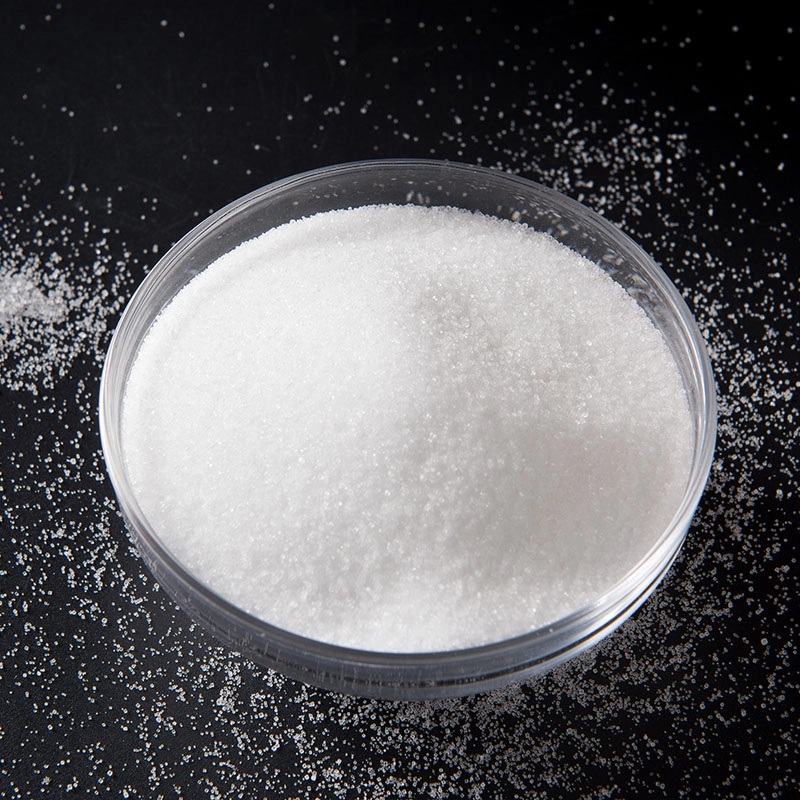
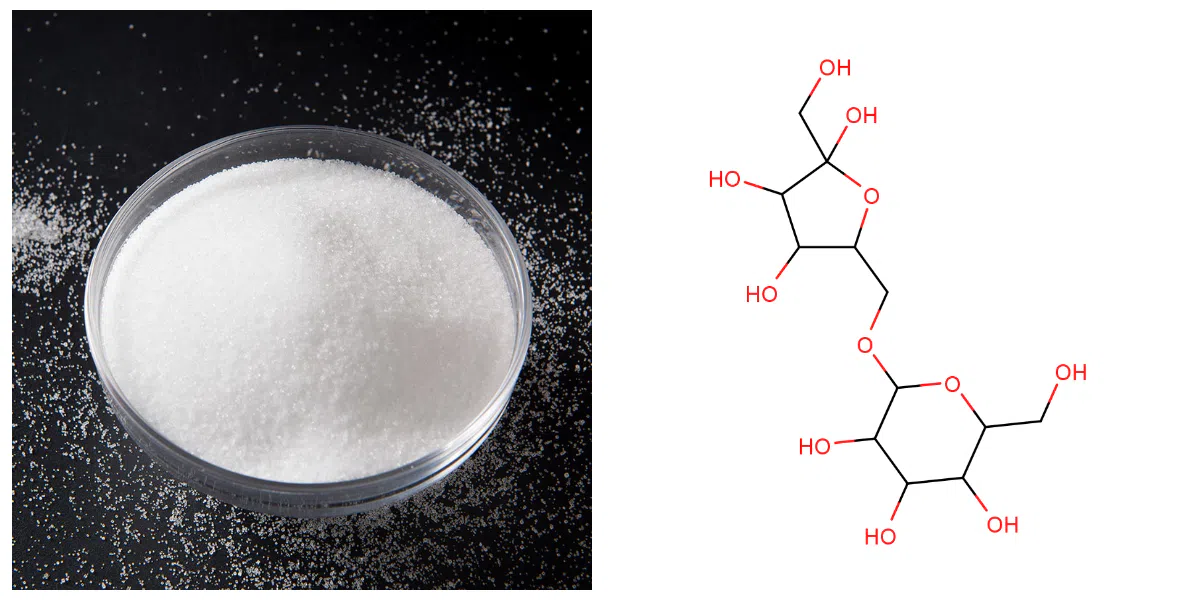
Chemically, it is a disaccharide formed by glucose and fructose connected via an α-1,6 glycosidic bond. Under the catalysis of glucosyltransferase, the original α-1,2 linkage between the two monosaccharide units in sucrose is cleaved, and then restructured into an α-1,6 bond. This single difference in the intramolecular bonding position makes it a structural isomer of sucrose. It presents as white, odorless crystalline particles, with a molecular weight of 360.32, containing one molecule of crystal water, a melting point of 124°C, and a specific rotation [α][20]0 of 97.2. It features nearly zero or extremely low hygroscopicity, exhibits lower solubility and viscosity compared to sucrose, and delivers excellent acid resistance. Currently, the mainstream industrial production of palatinose relies on the immobilized cell (enzyme) bioprocess to complete the targeted conversion of sucrose.
Palatinose Chemical Properties
| Melting point | 125-128°C |
| Alpha | 100 º (c=2, H2O) |
| Boiling point | 684.1±55.0 °C(Predicted) |
| Density | 1.77±0.1 g/cm3(Predicted) |
| Storage temp | Hygroscopic, -20°C Freezer, Under inert atmosphere |
| Solubility | DMSO (Slightly), Water (Slightly) |
| Form | Solid |
| Pka | 11.39±0.70(Predicted) |
| Color | White to Off-White |
| Safety Statements | 24/25 |
| HS Code | 29329990 |
Product Application of Palatinose
Once consumed, Palatinose is slowly broken down into glucose and fructose by specialized enzymes in the small intestine, supporting gradual absorption and steady metabolism that helps keep blood glucose levels stable. Thanks to its slow absorption rate, it causes very little fluctuation in insulin levels, making it a friendly choice for people living with diabetes. As a proven non-cariogenic sweetener, it is also perfectly suitable for infants and adolescents who need a steady supply of sugar during their growth and development stages.