Methanol, long known to global chemical traders as one of the world’s highest-volume basic petrochemical commodities, is often framed only as a bulk industrial feedstock for formaldehyde, acetic acid and plastic manufacturing. What many downstream buyers and ordinary consumers overlook is how deeply this clear, low-boiling-point alcohol has penetrated into almost every corner of modern daily life, powering cleaner mobility, improving household product performance and supporting safer daily convenience solutions that billions of people interact with every week. As low-carbon energy transitions and downstream formulation innovation accelerate across Asia, Europe and the Americas, methanol’s role in non-industrial daily application scenarios is expanding faster than at any point in the past 20 years, creating new procurement opportunities, regulatory compliance requirements and market growth potential for suppliers that understand its full practical value beyond traditional chemical manufacturing.
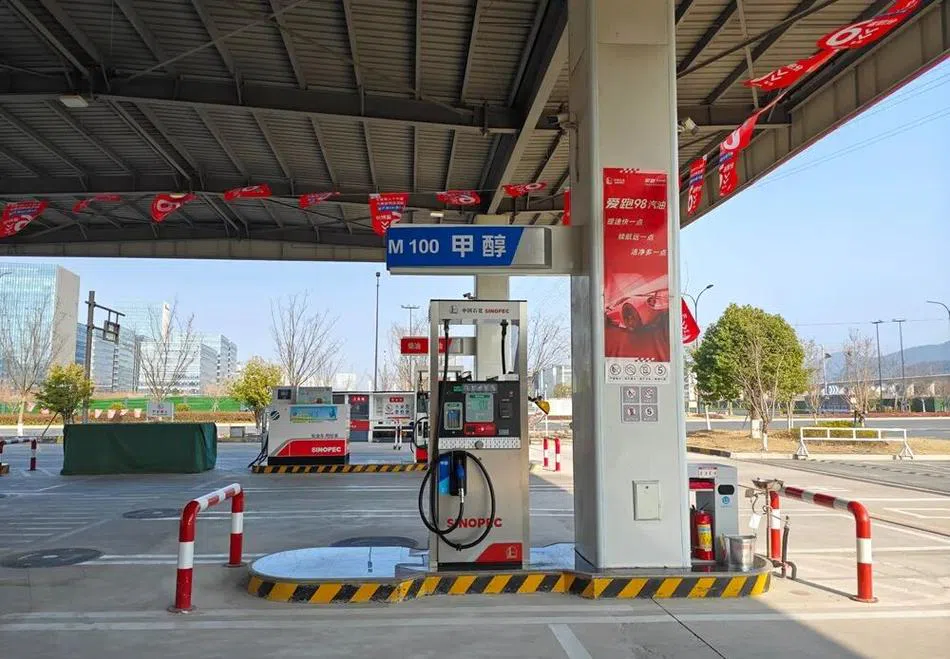
The most transformative daily application of methanol today lies in the global clean mobility sector, where it has moved far beyond niche industrial fuel use to become a mainstream low-carbon alternative for passenger cars, urban delivery fleets and even small marine vessels. In China, where large-scale methanol vehicle promotion has been underway since 2012, official industry data shows that the total number of methanol-fueled passenger cars and commercial vehicles in operation reached 626,000 by the end of 2024, with more than 30 methanol refueling stations fully operational across provinces including Guizhou, Tianjin and Heilongjiang. Unlike early-generation methanol fuel blends that suffered from poor cold-start performance and mild metal corrosion issues, modern modified methanol fuels are formulated with specialized corrosion inhibitors and combustion stabilizers, allowing them to be used directly in existing internal combustion vehicles without major engine retrofitting. For ordinary daily commuters, this translates to a fuel option that cuts tailpipe particulate emissions by more than 40% compared to conventional gasoline, while delivering comparable daily driving range at a lower per-kilometer operating cost.
Beyond road transportation, methanol has also emerged as one of the fastest-growing low-carbon marine fuels for small leisure boats, inland waterway cargo vessels and coastal passenger ferries. By early 2025, the global number of methanol-powered commercial ships already in operation had reached 50, with more than 250 new methanol-fueled newbuilds on order at major shipyards across Asia. For small boat owners and inland waterway daily transport operators, methanol offers a critical practical advantage: it burns far more cleanly than heavy fuel oil, produces almost no sulfur oxide emissions and can be stored and dispensed using relatively simple infrastructure compared to liquefied natural gas or hydrogen. This makes it an ideal daily-use marine fuel for operators who cannot afford the high capital investment required for fully zero-emission hydrogen or electric propulsion systems, but still need to meet increasingly strict regional maritime emission regulations for daily operations.
One of the most underrecognized daily applications of methanol is in household and commercial catering cooking fuels, where alcohol-based methyl gas formulations have become a widely adopted alternative to traditional liquefied petroleum gas and coal in thousands of family kitchens, hotel restaurants and institutional canteens. When properly blended with flame stabilizers and odorant additives for safety, these methanol-based cooking fuels can reach a stable flame temperature above 1150 degrees Celsius, delivering consistent high heat that cooks food faster than many traditional liquid fuels while producing far less soot and carbon monoxide during combustion. Unlike bulk industrial methanol that requires strict safety handling, food-contact scenario catering-grade methanol fuel is formulated with additional non-toxic marking agents that make accidental drinking far easier to identify, reducing unnecessary safety risks in daily kitchen environments. Even so, global safety regulators continue to emphasize that catering-grade methanol fuel remains a flammable hazardous chemical, and must be stored exclusively in certified metal containers, never in plastic buckets, and is strictly prohibited from being used in high-rise residential basements or enclosed underground spaces without proper explosion-proof ventilation systems.
In household consumer products, methanol serves as a high-performance, cost-effective industrial solvent that improves the performance of dozens of daily items that most people use without noticing. In the architectural paint and coatings industry, it is a widely used fast-drying co-solvent that effectively reduces paint viscosity, making water-based latex paints easier to apply evenly with brushes or spray guns. It also accelerates solvent evaporation during the curing process, allowing fresh interior paint to dry completely within 2 to 3 hours even in high-humidity summer environments, instead of the 6 to 8 hours required for formulations that do not use methanol. Technical data from global paint manufacturers also shows that properly dosed methanol in paint formulations absorbs residual trace moisture inside the coating system, preventing mold growth and paint discoloration during long-term storage, effectively extending the shelf life of unopened paint products by 30% compared to formulations without this additive. For ordinary homeowners, this means less waiting time after repainting a bedroom, fewer streaky paint finishes and less wasted expired paint left in the garage.
Automotive daily maintenance products represent another large and stable daily consumption segment for methanol. It is a core active ingredient in most commercial windshield washer fluids sold in temperate and cold climate regions, where its low freezing point of -97.6 degrees Celsius prevents the washer fluid from freezing solid inside vehicle spray nozzles and plastic reservoirs during winter months. Unlike pure water-based washer fluids that turn to ice at zero degrees Celsius and can crack fragile plastic spray systems, methanol-blended winter washer fluids can remain fully liquid even at temperatures as low as -20 degrees Celsius, ensuring that drivers can always clear ice, road salt dust and windshield smudges for safe daily commuting. Methanol is also a standard raw material for automotive radiator antifreeze formulations, where it helps lower the freezing point of engine cooling systems, preventing coolant from expanding and cracking engine blocks during extremely cold winter parking conditions.
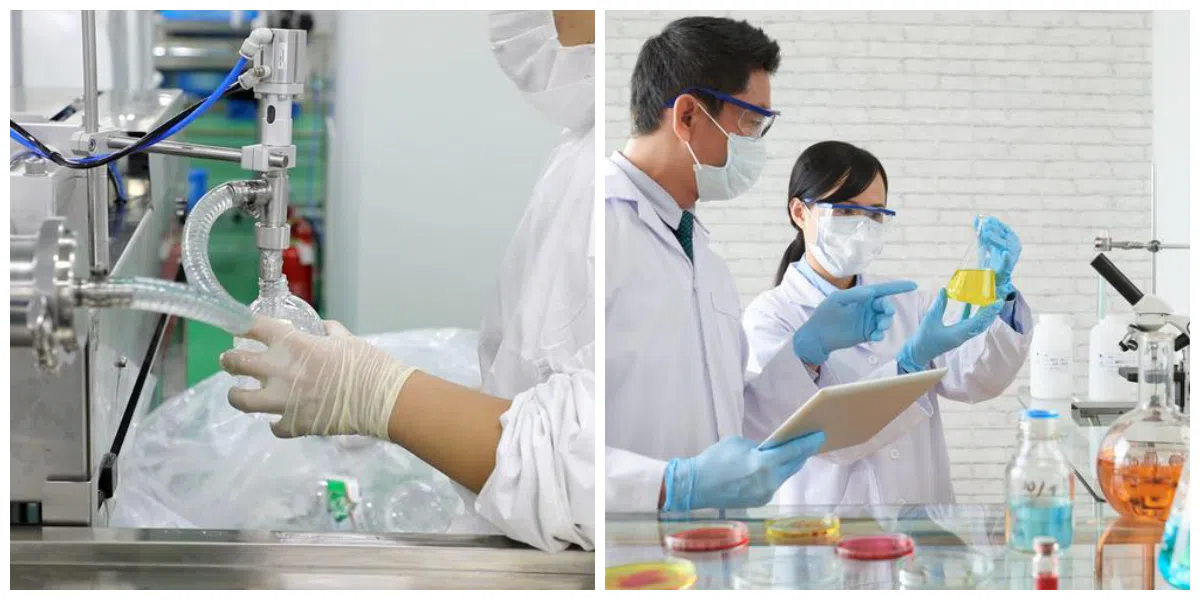
In daily chemical product and pharmaceutical manufacturing, methanol functions as a high-purity extraction and processing solvent that helps produce many common daily items. In the pharmaceutical industry, it is widely used as a recovery-friendly solvent to extract active ingredients from natural herbal raw materials, reducing production waste and lowering manufacturing costs for common over-the-counter medications. In printing ink and textile processing, it dissolves dye and resin components evenly, ensuring that printed patterns on daily clothing, packaging bags and office paper dry quickly without smudging, while reducing the total amount of volatile organic compound emissions released during the drying process. Even in school and university chemistry laboratories, methanol is one of the most commonly used analytical reagents for high-performance liquid chromatography testing, supporting routine daily quality control experiments for food safety, drinking water testing and consumer product safety inspection.
As methanol’s daily use scenarios continue to expand, global industry regulators and chemical suppliers are placing increasing emphasis on standardized safety communication to eliminate widespread public misunderstanding about the chemical. Many consumers still confuse industrial-grade methanol with edible ethanol, due to their similar color and mild alcoholic odor, a dangerous misperception that can lead to severe poisoning incidents if misused. Global chemical industry associations are now working together to promote clear safety labeling standards for all methanol-containing daily consumer products, requiring that any product that contains more than 5% methanol by volume must carry a clearly visible “Do Not Drink” warning label on the outer packaging. All methanol storage facilities for non-industrial daily use scenarios are also required to install explosion-proof lighting, forced ventilation systems and dedicated fire protection equipment, to eliminate unnecessary fire and explosion risks during daily handling.
For global B2B methanol suppliers and downstream formulators, the fast-growing daily application market represents a major shift away from the traditional bulk commodity procurement model. Buyers in the catering fuel, windshield washer fluid and consumer coating sectors no longer only pursue the lowest possible spot price, but now also prioritize consistent batch purity, complete regional regulatory compliance documentation, custom formulation technical support and last-mile small-quantity delivery capabilities. Suppliers that can adapt their service models to meet these new daily-use segment requirements will unlock a high-margin market that is far less exposed to the volatile cyclical price swings of the traditional formaldehyde and plastic manufacturing sectors.
Looking ahead to 2027 and beyond, methanol’s footprint in daily life will only continue to expand. As global low-carbon fuel policies become more supportive and downstream formulation technology continues to improve, this versatile basic chemical will quietly deliver cleaner mobility, better performing household products and more affordable daily convenience solutions to hundreds of millions of ordinary end-users around the world. For the global chemical industry, the biggest opportunity ahead is not just expanding methanol production capacity, but building a safer, more transparent and better communicated supply chain that ensures every daily application of this highly useful chemical meets the highest global safety and environmental standards.