Product Details
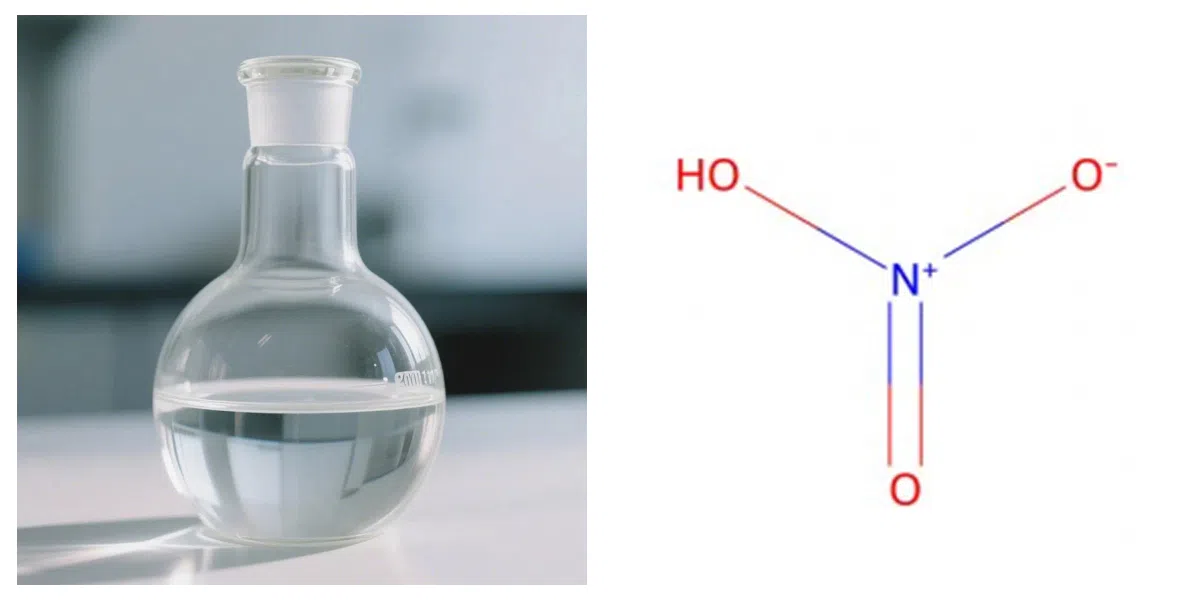
Nitric acid is a monoprotic strong inorganic acid, distinguished by its remarkable oxidizing power and extreme corrosiveness. As one of the six most prominent strong inorganic acids, it stands as a foundational raw material of critical importance across the chemical manufacturing sector. Bearing the chemical formula HNO₃ and a molar mass of 63.01 g/mol, this compound sees extensive deployment in a wide array of industrial production workflows.
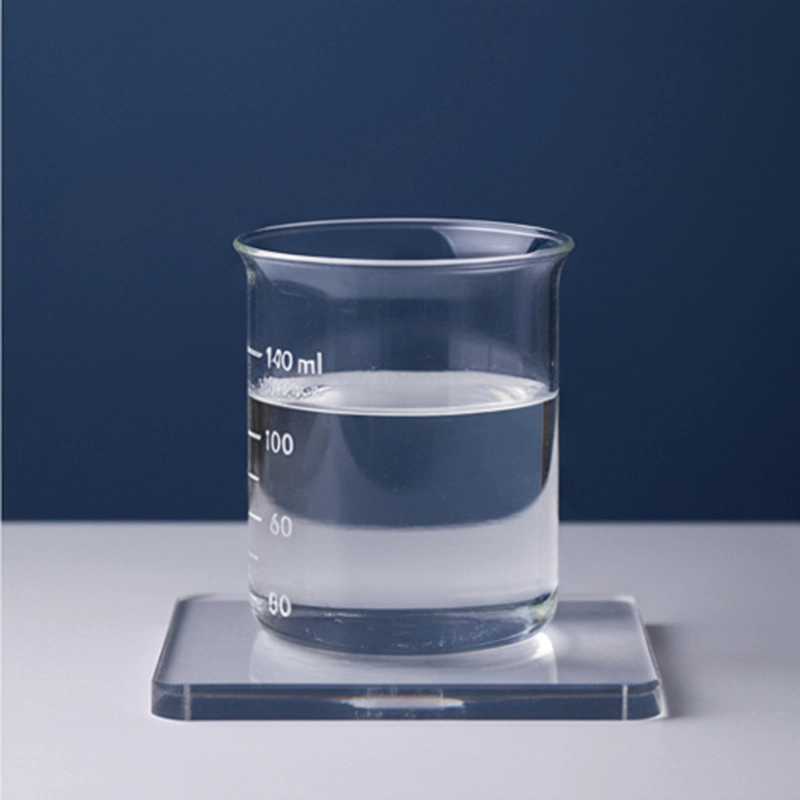
Its water-based mixture is generally termed nitric acid aqueous solution, and it is also commonly referenced in relevant industrial contexts as ammonia nitrogen solution. In its pure form, nitric acid appears as a colorless, transparent, fuming liquid with a sharp, characteristic acidic tang. On industrial scales, it is heavily utilized for the production of fertilizers, agrochemicals, energetic materials, dyestuffs, and a full range of other chemical end products.
Chemical Properties
| Foreign Name | Nitric acid |
| Chemical Formula | HNO3 |
| Molecular Weight | 63.01 |
| CAS Number | 7697-37-2 |
| EINECS | 231-714-2 |
| Melting Point | -42 °C |
| Boiling Point | 83 ℃ |
| Water Solubility | Miscible with water |
| Density | 1.5 g/cm |
| Appearance | The pure product is a colorless, transparent, fuming liquid with a sour taste. |
| Application | It is mainly used in industries such as fertilizers, dyes, national defense, explosives, metallurgy, and pharmaceuticals. |
| viscosity(mPa.s) | 0.75(25°℃) |
Product Application
Nitric acid functions as a high-priority industrial chemical feedstock, with its primary application lying in the manufacturing of ammonium nitrate, calcium ammonium nitrate, nitric phosphate fertilizers, and nitrogen-phosphorus-potassium compound fertilizers. It also acts as an indispensable foundational material for the production of nitrate-series nitrogen fertilizers, covering products like ammonium nitrate and potassium nitrate, alongside critical industrial compounds including aqua regia, nitroglycerin, nitrocellulose, nitrobenzene, picric acid and various nitrate esters. Beyond these use cases, nitric acid holds extensive, widespread utilization in the production of nitro-class industrial explosives.