Nicotinic Acid CAS#59-67-6 (Vitamin B3)
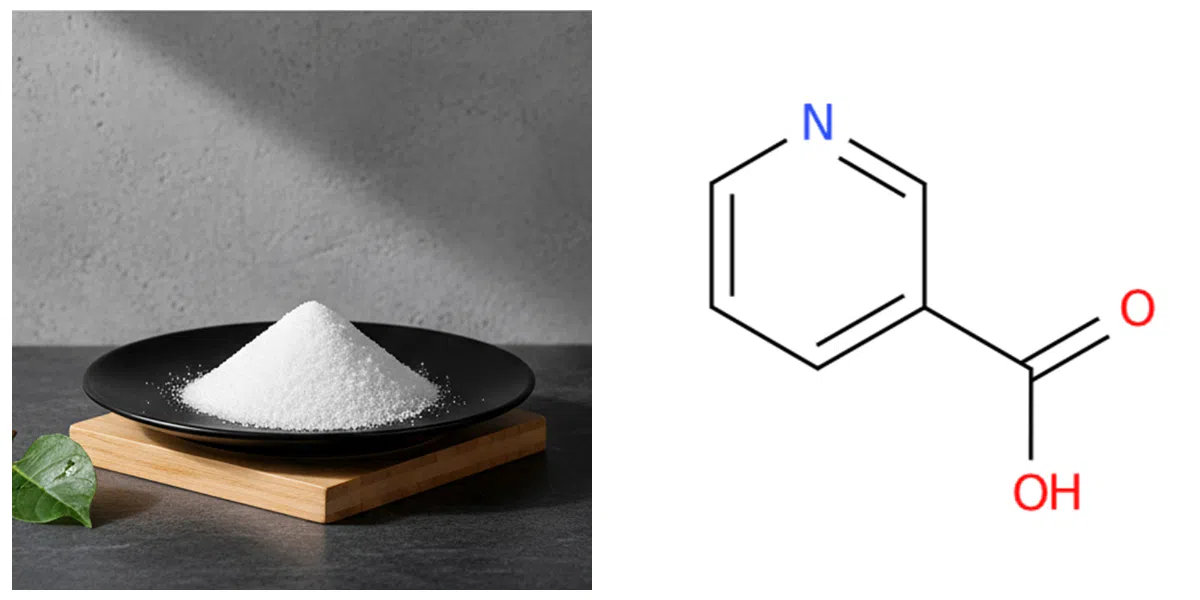
Nicotinic Acid, more widely recognized as Vitamin B₃, is an indispensable chemical compound that carries substantial weight across human metabolic regulation, pharmaceutical development and diverse industrial application sectors. It has a defined molecular formula of C₆H₅NO₂ with a corresponding molecular weight of 123.11. Under formal chemical nomenclature, it is designated as pyridine-3-carboxylic acid, and it falls firmly into the broader family of pyridine derivative compounds.
Classified as one of the 13 essential vitamins that the human body cannot produce in adequate quantities on its own, nicotinic acid engages in a large array of critical metabolic pathways. Throughout the cellular respiration process, it acts as a core structural constituent of Coenzyme I (NAD) and Coenzyme II (NADP), performing an irreplaceable function in the transformation and proper utilization of energy sourced from carbohydrates, fats and dietary proteins. This core physiological role supports the steady maintenance of normal physiological operations across all human tissues and major organs.
Nicotinic acid Chemical Properties
| Product Name: | Nicotinic acid |
| Synonyms: | BETA-PICOLINIC ACID;AKOS BBS-00003719;ACIDUM-NICOTINICUM;3-PICOLINIC ACID;3-CARBOXYPYRIDINE;RARECHEM AL BO 0217;TIMTEC-BB SBB004279;NICOTINIC ACID |
| CAS: | 59-67-6 |
| MF: | C6H5NO2 |
| MW: | 123.11 |
| EINECS: | 200-441-0 |
| Product Categories: | carboxylic acid;NIASPAN;Vitamin B3;Building Blocks;Chemical Synthesis;Heterocyclic Building Blocks;Analytical Chemistry;Biochemistry;Nutrition Research;Pyridines;Vitamin B;Vitamin series;vitamin;Other APIs;Pyridine;Mass Spectrometry;Matrix Materials (MALDI-TOF-MS);Vitamins;Vitamins and derivatives;Vitamin Ingredients;Miscellaneous Compounds;Signalling;Aromatics;Intermediates & Fine Chemicals;Isotope Labelled Compounds;Pharmaceuticals;C6;Inhibitors;59-67-6;OLED |
| Mol File: | 59-67-6.mol |
| Melting point | 236-239 °C(lit.) |
| Boiling point | 260C |
| density | 1.473 |
| bulk density | 330kg/m3 |
| refractive index | 1.5423 (estimate) |
| Fp | 193°C |
| storage temp. | 2-8°C |
| solubility | 18g/l |
| pka | 4.85(at 25℃) |
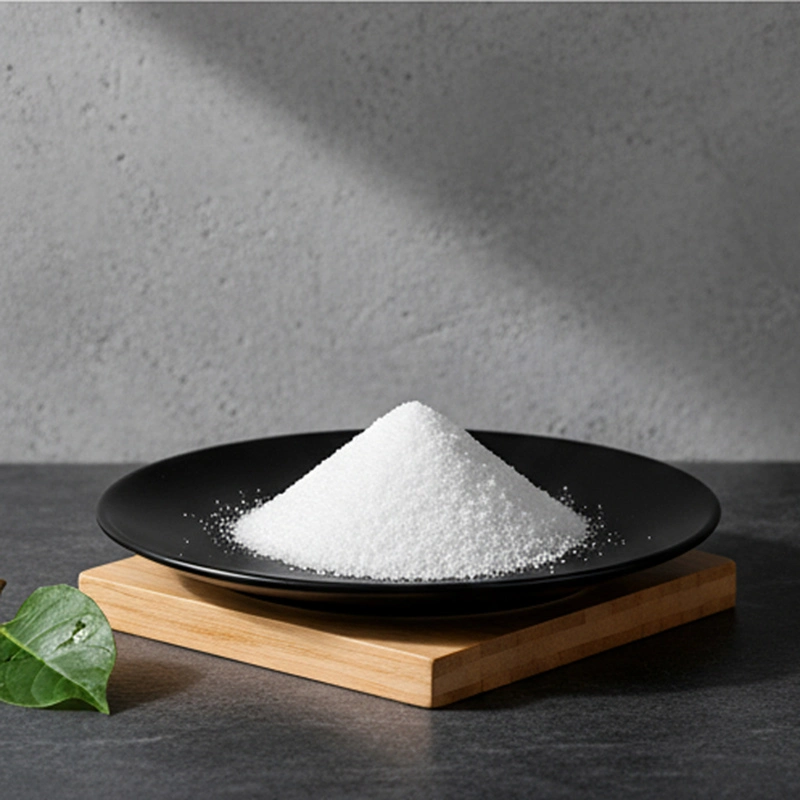
| form | Powder |
| color | White to off-white |
| PH | 2.7 (18g/l, H2O, 20℃) |
| Odor | odorless to sl. odor, sour taste |
| biological source | synthetic (organic) |
| Water Solubility | 1-5 g/100 mL at 17 ºC |
| Merck | 146525 |
| BRN | 109591 |
| BCS Class | 3 |
| Stability: | Stable. Incompatible with strong oxidizing agents. May be light sensitive. |
| InChIKey | PVNIIMVLHYAWGP-UHFFFAOYSA-N |
| LogP | 0.36 |
| CAS DataBase Reference | 59-67-6(CAS DataBase Reference) |
| NIST Chemistry Reference | Niacin(59-67-6) |
| EPA Substance Registry System | Nicotinic acid (59-67-6) |
Product Usage
Nicotinic Acid exerts a critical function in intracellular hydrogen transfer reactions across the human body, and acts as an effective preventive agent against pellagra. It supports the upkeep of healthy skin tissue, sustains proper nervous system performance, and helps preserve regular digestive tract physiological activities. Both nicotinic acid and niacinamide are extensively deployed for the prophylaxis and clinical intervention of pellagra, a pathological condition directly triggered by long-term niacin insufficiency.
Niacin also sees clinical use in the regulation of elevated blood cholesterol levels. Under specific clinical scenarios, the therapeutic regimen combining niacin and colestipol can deliver cholesterol-reducing outcomes that are on par with the lipid-lowering effects produced by colestipol paired with statin-based treatment.
USP-grade niacin granules are the standard material widely adopted for food nutrient fortification, dietary supplement formulation, and production as pharmaceutical synthesis intermediates. Feed-grade niacin is massively utilized as a vitamin additive in feed formulas for poultry, swine, ruminants, aquaculture species, canines, felines and a full range of other farm and companion animals. Beyond these applications, it also functions as a foundational intermediate for manufacturing various nicotinic acid derivatives, and supports multiple other industrial technical use cases.