
Chlorhexidine (CAS 55-56-1): 2026 Market Trends, Technical Profile and Sourcing Guide for Global B2B Buyers
Industry Background: Chlorhexidine as a Core Disinfectant Raw Material in Global Chemical Trade
Against the backdrop of surging global demand for high-efficiency, low-residue disinfection solutions across healthcare, food processing, animal husbandry and industrial water treatment sectors, Chlorhexidine (CAS 55-56-1) has firmly established itself as one of the most widely recognized biguanide bacteriostatic raw materials in the international chemical market. As a bisbiguanide compound first synthesized in the mid-20th century, this active substance has evolved from an exclusive clinical oral care ingredient to a versatile multi-scenario industrial disinfectant intermediate, forming a fully mature global industrial chain covering raw material synthesis, formulation processing and end-product distribution.
In 2026, the international disinfectant raw material market is undergoing a profound structural shift: buyers are no longer solely focused on unit price competitiveness, but are prioritizing product purity consistency, regulatory compliance documentation, low environmental footprint performance and stable cross-batch quality. As a core high-value chemical in this category, Chlorhexidine base (CAS 55-56-1) has seen its application scope expand far beyond traditional hospital disinfection, extending to livestock and poultry farm environment disinfection, food contact surface sanitization, industrial circulating water algae control and public space air disinfection formulation production. This diversified demand structure has unlocked new market opportunities while presenting fresh decision-making challenges for international B2B purchasers who source this product in bulk.
Core Technical Profile of Chlorhexidine CAS 55-56-1
Basic Physicochemical Parameters for Industrial Sourcing
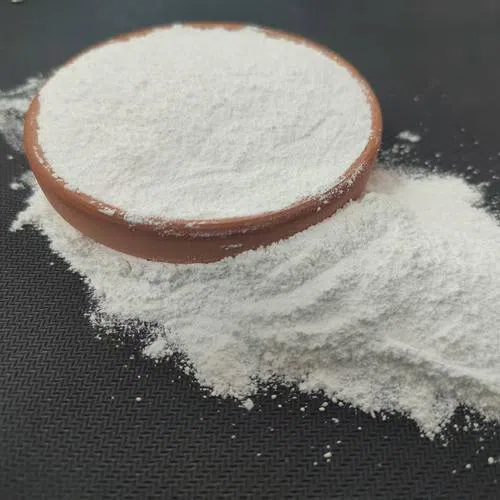
For B2B buyers engaged in chemical procurement, accurate mastery of core technical specifications of Chlorhexidine (CAS 55-56-1) is the cornerstone of qualified supplier screening. Its molecular formula is C₂₂H₃₀Cl₂N₁₀, with a molecular weight of 505.45 g/mol. The pure substance appears as a crystalline powder precipitated from methanol, with a melting point ranging from 134 °C to 136 °C, exhibiting a strong alkaline reaction when dissolved in aqueous solution. Its water solubility at 20 °C stands at 0.08 g/100 mL, a critical property that directly guides the formulation compatibility design of downstream disinfectant products.
Different grades of Chlorhexidine base on the market correspond to distinct purity indicators: industrial grade products usually reach 98% purity, while pharmaceutical and reagent grade Chlorhexidine CAS 55-56-1 can achieve 99% or higher purity. High-purity grades are widely deployed in medical skin disinfection preparations and oral care products, while standard industrial grades are more suitable for large-scenario disinfection applications such as farm environment optimization and circulating water bactericide production. For international buyers, confirming the matching degree between product purity parameters and end-use scenarios can effectively mitigate procurement risks such as insufficient disinfection performance or unnecessary cost overruns.
Antibacterial Mechanism and Typical End-Use Scenarios
The core competitive advantage of Chlorhexidine (CAS 55-56-1) lies in its broad-spectrum bacteriostatic mechanism: it can effectively target the cell membrane structure of Gram-positive bacteria, Gram-negative bacteria and partial fungi, disrupting the permeability balance of bacterial cell membranes, so that intracellular contents leak out to deliver a long-lasting antibacterial effect. Compared with other mainstream disinfectant raw materials, this compound demonstrates prominent advantages of low residue, extended acting time and minimal irritation to human and animal mucosa under effective working concentration.
In 2026, the main downstream application fields of Chlorhexidine base in global trade include:
l Raw material production of low-residue quaternary ammonium salt compound disinfectants, which are widely deployed in food processing workshop surface sanitization
l Active ingredient addition for animal housing dry powder disinfectants and livestock farm environment improvement agents
l Intermediate preparation of high-efficiency sporicidal agents for sterile production workshops in the pharmaceutical industry
l Functional additive for non-oxidizing bactericidal algaecides used in industrial circulating water systems
2026 Global Market Data and Supply Chain Characteristics
According to the latest authoritative industry research, the global Chlorhexidine (CAS 55-56-1) market has maintained a steady compound annual growth rate over the past three years, and this positive market expansion momentum will carry through 2026. At present, the main supply regions of this chemical raw material cover Asia, Europe and North America, and regional price disparities are directly driven by production cost structure, environmental protection policy constraints and international logistics route accessibility.
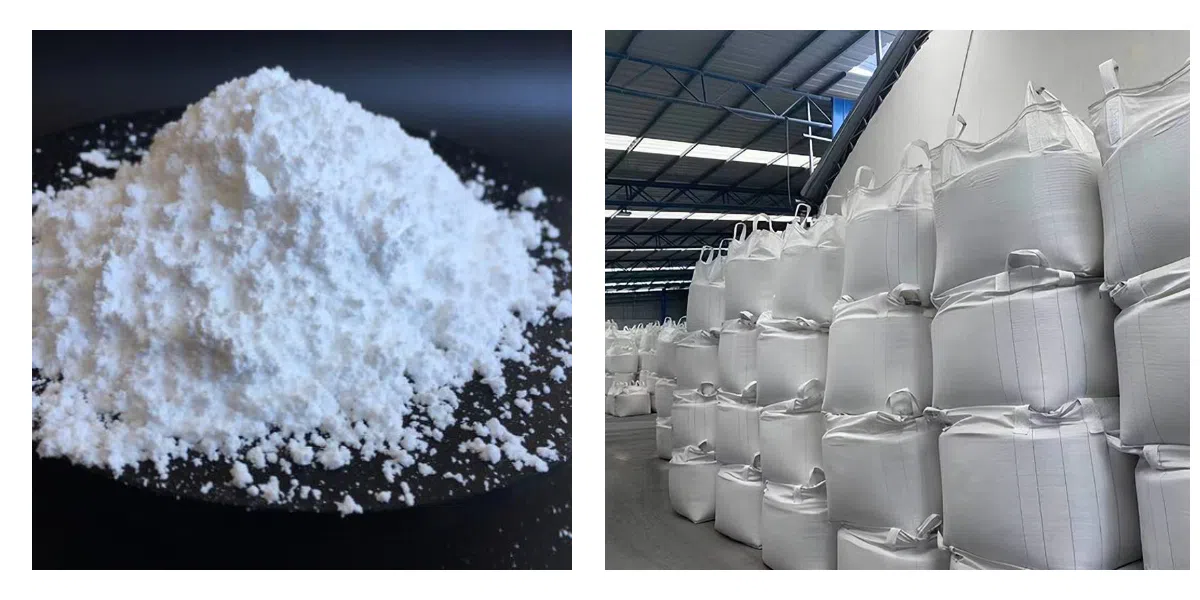
From the perspective of the China-origin supply chain, which occupies a pivotal position in the global market, qualified suppliers have formed differentiated product matrices covering all grades from industrial crude products to high-purity pharmaceutical grades. Bulk industrial-grade Chlorhexidine base is mainly supplied in ton-level large packaging, ideal for large-formulation manufacturers to complete one-off bulk raw material procurement, while reagent-grade and high-purity products are mostly supplied in small barrels or bottled specifications, catering to the flexible procurement needs of fine chemical and laboratory customers.
In terms of logistics and trade, the main international trade ports for Chlorhexidine CAS 55-56-1 include Tianjin Port, Shanghai Port and Shenzhen Port in China, which can provide stable sea freight routes to Djibouti, Mersin in Turkey, Suhar Port in Oman, Karachi Port and other global destinations. For B2B buyers, partnering with suppliers who are fully familiar with international trade rules can effectively reduce the compliance risk across the entire supply chain.
2026 Industry Trends and Sourcing Suggestions for International B2B Buyers
Three Major Development Trends of the Chlorhexidine Raw Material Industry
First, the global market is showing a clear trend of segmented demand for low-residue and environment-friendly Chlorhexidine products. A growing number of end customers in food and animal husbandry industries are putting forward stricter requirements for the environmental protection performance of disinfectant raw materials, which drives suppliers to continuously optimize the synthesis process of Chlorhexidine base (CAS 55-56-1) and lower the content of by-product residues.
Second, the standardization of trade compliance documents has become a core competitive differentiator in the market. In 2026, regular international purchasers no longer only focus on goods quotation, but regard complete English versions of COA, MSDS, MTC and other documents as basic prerequisites for order placement, which puts forward higher requirements for the standardized operation of chemical suppliers.
Third, the demand for customized processing services continues to rise. Numerous small and medium-sized disinfectant formulation enterprises hope that raw material suppliers can provide Chlorhexidine products with specific solubility, tailored purity indicators and even pre-mixed compound raw material services, so as to shorten their own production and development cycles.
Practical Sourcing Guidance for Global B2B Purchasers
When selecting suppliers of Chlorhexidine (CAS 55-56-1), international B2B buyers are advised to prioritize the following key points:
l Confirm the batch stability of product purity, and require suppliers to provide third-party test reports of recent batches to verify that the indicators are fully consistent with the provided COA
l Verify the supplier's track record in international chemical trade, confirm that it can provide complete compliance documents that meet the destination country's customs declaration requirements, including accurate HS code classification and export tariff related information
l Evaluate the matching degree between supplier production capacity and your own order volume, and confirm that it can support stable long-term supply after bulk ordering, so as to avoid supply interruption risks caused by unexpected market demand fluctuations
l Combine your own end-use scenarios to select the most cost-effective product grade: for large-scale industrial disinfection scenarios, you can choose standard industrial grade products to control costs; for medical and food contact scenarios, priority should be given to high-purity Chlorhexidine base with complete regulatory certification
As the global disinfectant raw material market continues to develop in a more standardized and segmented direction, Chlorhexidine CAS 55-56-1, as a mature and high-cost-performance bacteriostatic chemical, will maintain its irreplaceable market position in the next few years. For B2B buyers, establishing long-term and stable cooperative relations with professional and compliant suppliers is not only the core measure to control procurement cost, but also the key foundation to guarantee the continuous and reliable quality of their own downstream products.