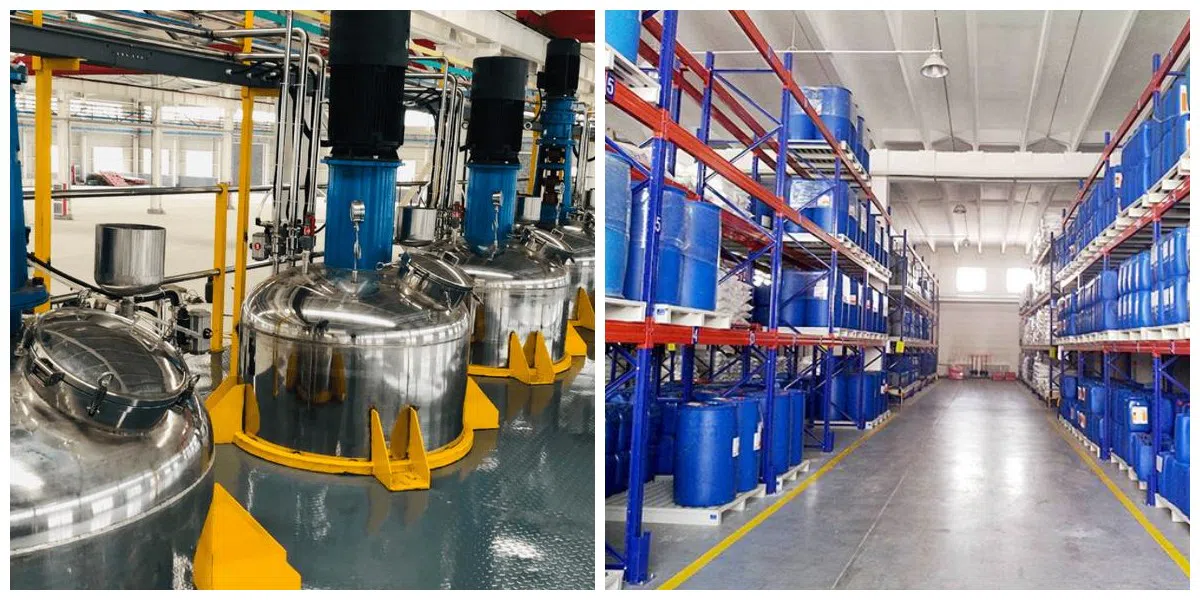
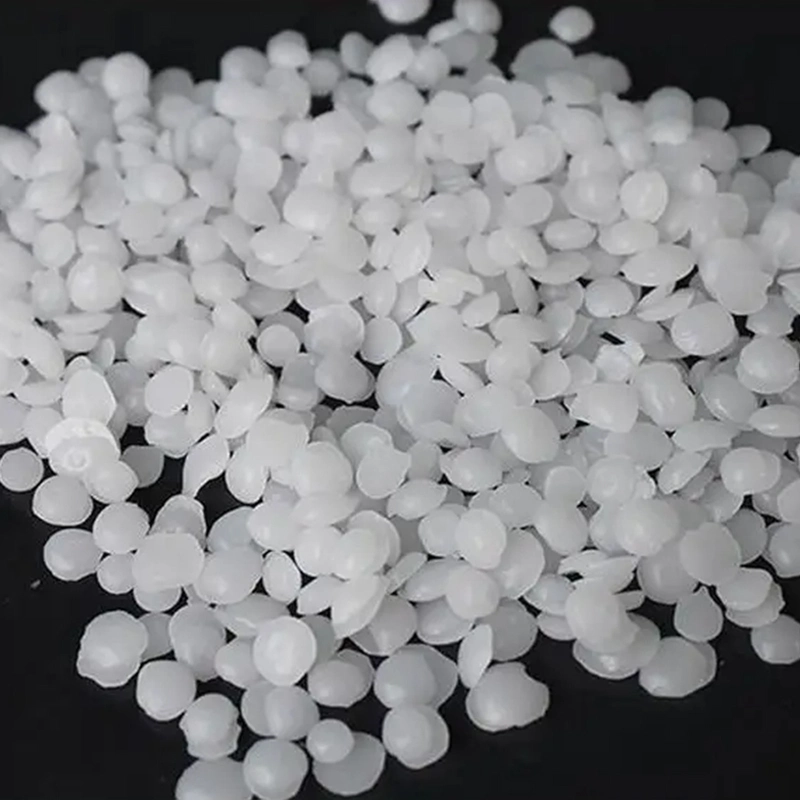
Product Details
Paraffin refers to a class of hydrocarbon mixtures extracted from targeted distillate fractions of petroleum, shale oil, and other bituminous mineral oils. Its dominant constituent is odorless, tasteless solid alkane, composed of normal-chain saturated alkanes spanning a broad range of molecular weights, which is universally represented by the general chemical formula CnH2n+2. Based on distinct physical state characteristics, paraffin products are formally categorized into three major classes: liquid paraffin, solid paraffin, and microcrystalline wax.
As a downstream refined product of petroleum processing, paraffin wax is non-amorphous in macroscopic form yet possesses a well-defined internal crystalline structure. It is conventionally recovered from the lubricating oil fraction of crude oil via sequential process routes including solvent refining, dewaxing treatment, or low-temperature freezing crystallization. The resulting crude wax paste is then subjected to solvent deoiling and multi-stage refining to achieve final commercial-grade purity. High-purity paraffin wax serves as a foundational industrial feedstock for manufacturing higher fatty acids, long-chain fatty alcohols, safety matches, molded candles, water repellent coatings, pharmaceutical ointment bases, and high-performance electrical insulating materials, among dozens of other end-use products.
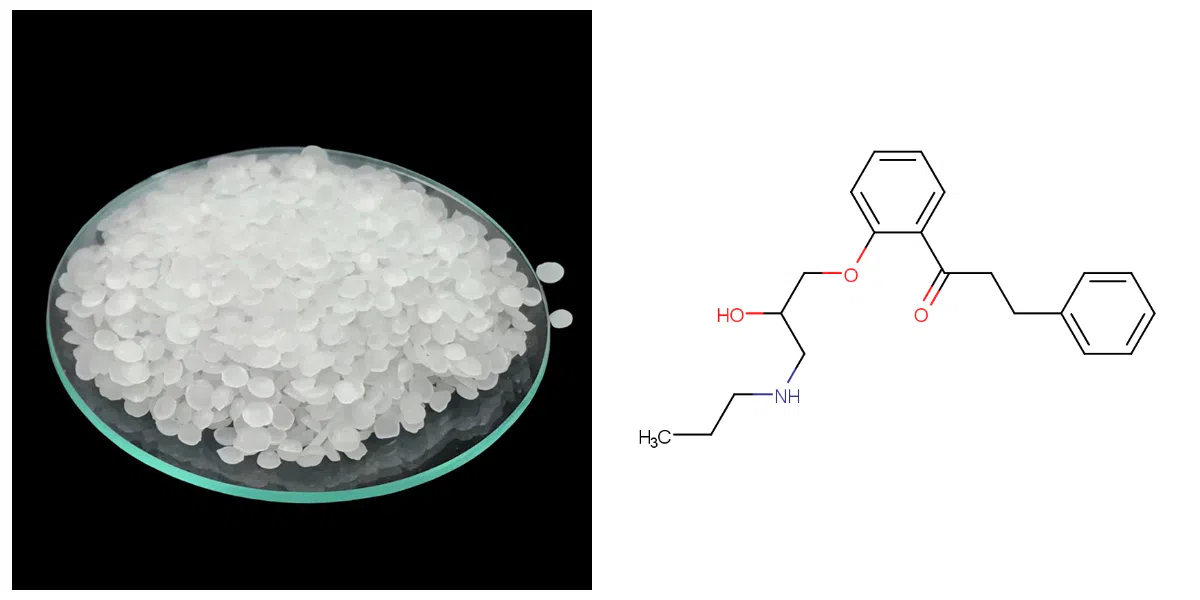
Basic Info
| Chemical Name: | Paraffin Wax |
| Other Name: | Paraffin; Paraffin Wax CAS 8002-74-2; Pure Paraffin Wax |
| CAS: | 8002-74-2 |
| EINECS: | 232-315-6 |
| Type: | Food additives; Organic raw materials; Inorganic salt |
| Molecular Formula: | C21H27NO3 |
| Molecular Weight: | 341.44398 |
Chemical Properties
| Melting point | 58-62 °C ((ASTM D 87)) |
| Boiling point | 322 °C |
| density | 0.82 g/mL at 20 °C |
| refractive index | n20/D 1.45 |
| storage temp. | Store below +30°C. |
| solubility | Soluble in chloroform, ether, volatile oils, and most warm fixed oils; slightly soluble in ethanol; practically insoluble in acetone, ethanol (95%), and water. Paraffin can be mixed with most waxes if melted and cooled. |
| form | extra-low viscosity |
| color | white |
| Odor | odorless |
| explosive limit | 0.6-6.5%(V) |
Product Applications
Our paraffin products come with a full range of outstanding advantages: highly competitive cost, steady global supply availability, naturally colorless and odorless quality, highly consistent stable physical and chemical properties, and excellent high latent heat of phase transition. These premium characteristics make them perfectly suited for diverse application scenarios across medicine, packaging, construction, military camouflage, industrial manufacturing and agricultural production. They are also recognized as a top-tier base material for developing high-efficiency phase change energy storage products.