Products Description of DL-Limonene CAS#138-86-3
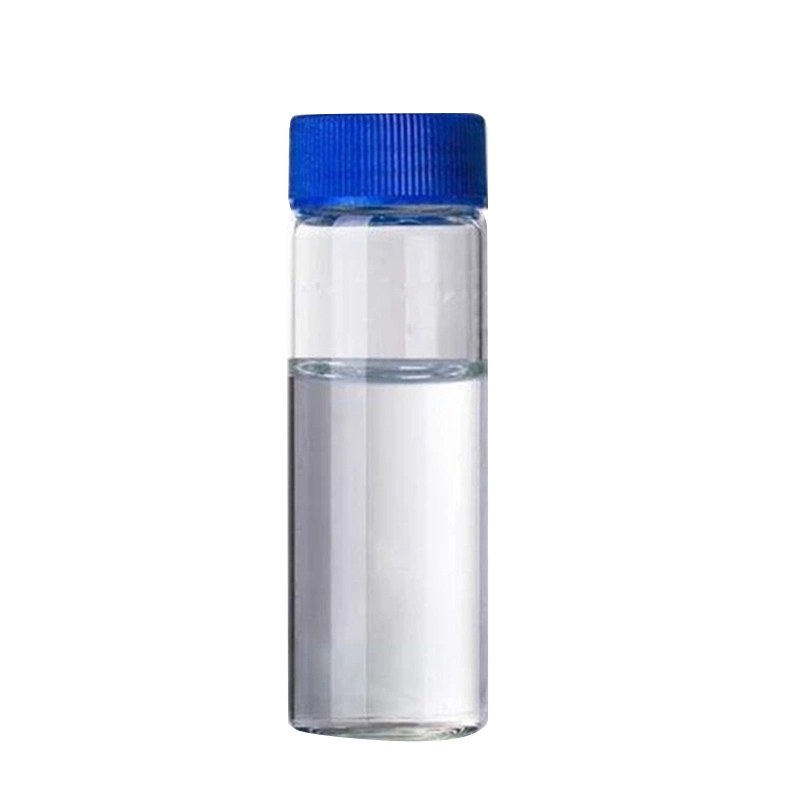
Dipentene—also called DL-Limonene—is a colorless liquid at room temperature that has a nice lemon smell. It's flammable, doesn't mix with water, but blends well with ethanol.
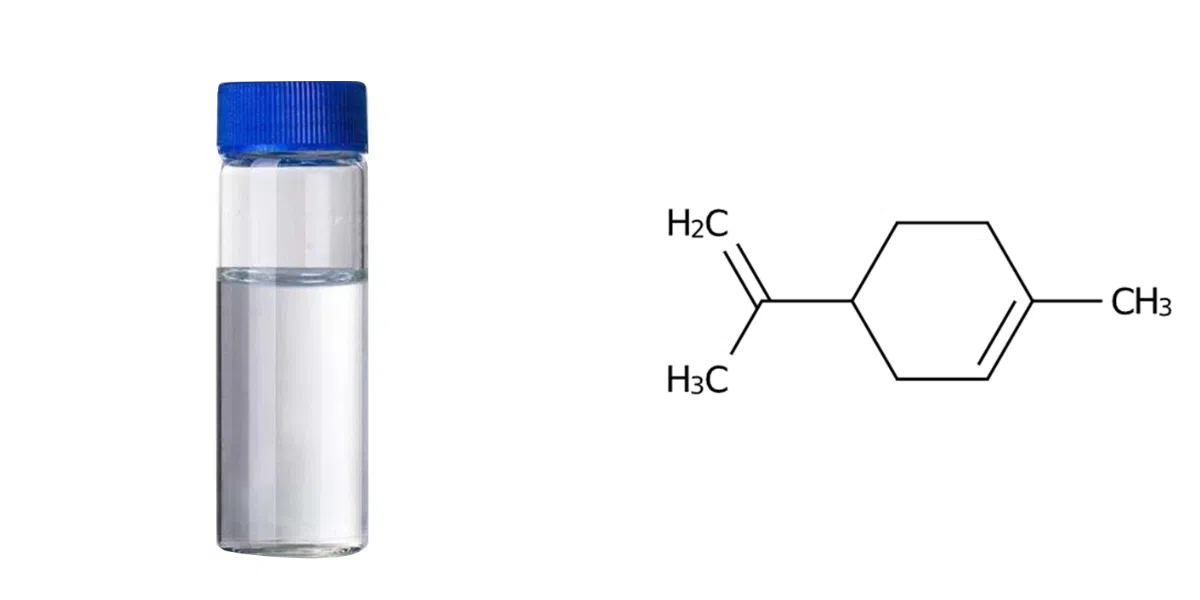
DL-Limonene Chemical Properties
| Melting point | -84--104 °C |
| Boiling point | 170-180 °C (lit.) |
| density | 0.86 g/mL at 20 °C (lit.) |
| vapor density | 4.7 (vs air) |
| vapor pressure | <3 mm Hg ( 14.4 °C) |
| refractive index | n20/D 1.473(lit.) |
| Fp | 119 °F |
| storage temp. | Store below +30°C. |
| solubility | Chloroform: Slightly Soluble |
| form | Liquid |
| color | Clear colorless to pale yellow |
| Odor | Pleasant, pine-like; lemon-like. |
| Odor Threshold | 0.038ppm |
| explosive limit | 0.7-6.1%, 150°F |
| Odor Type | citrus |
| Water Solubility | <1 g/100mL |
| Merck | 145493 |
| BRN | 3587825 |
| Dielectric constant | 2.3(20℃) |
| Stability: | Stable. Flammable. Incompatible with strong oxidizing agents. |
| InChIKey | AJSJXSBFZDIRIS-UHFFFAOYSA-N |
| LogP | 4.57 |
| CAS DataBase Reference | 138-86-3(CAS DataBase Reference) |
| NIST Chemistry Reference | Limonene(138-86-3) |
| EPA Substance Registry System | Limonene (138-86-3) |
| Hazard Codes | Xi,N |
| Risk Statements | 10-38-43-50/53 |
| Safety Statements | 24-37-60-61 |
| RIDADR | UN 2052 3/PG 3 |
| WGK Germany | 2 |
| RTECS | OS8350000 |
| F | 39744 |
| Autoignition Temperature | 458 °F |
| TSCA | Yes |
| HazardClass | 3 |
| PackingGroup | III |
| HS Code | 29021990 |
| Hazardous Substances Data | 138-86-3(Hazardous Substances Data) |
| Toxicity | LD50 orally in Rabbit: 5300 mg/kg |
Product Application of DL-Limonene CAS#138-86-3
Dipentene is used in making enamels, coatings, oil-based resins, resin waxes, metal driers, and solvents. It's also a starting material for synthetic resins and synthetic rubbers.
In the fragrance world, it's used in orange blossom and citrus scents, and it can even stand in for lemon essential oil. Chemically speaking, limonene can be selectively oxidized to make carvone; when you treat it with inorganic acids and water, you get α-terpineol and terpin hydrate. You can also hydrogenate it to get para-menthane or dehydrogenate it to get p-cymene, using platinum or certain catalysts.
Other uses include oil dispersants, rubber additives, wetting agents, and more.