Product Description of Ammonium Chloride (CAS#12125-02-9)
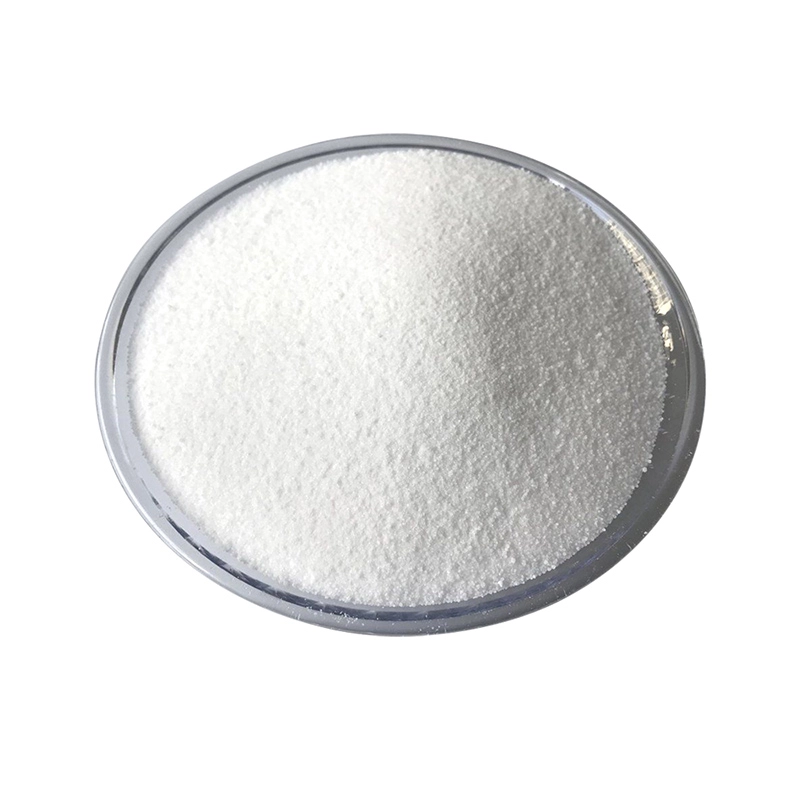
Ammonium Chloride is a white crystalline inorganic salt characterized by excellent aqueous solubility, with a solubility of 37.2 g/100 g at 20°C. It is classified as an essential functional component in agricultural fertilizer systems, providing nitrogen nutrients critical to plant physiological activities. Leveraging its versatile chemical properties, it is also deployed as a feed additive and in a broad range of industrial processing applications.
Within agricultural production, Ammonium Chloride contributes significantly to soil fertility enhancement and normal plant growth progression. As a rapidly available nitrogen source with high plant uptake efficiency, it facilitates improved crop performance and increased harvest yields. Furthermore, it acts as a fundamental raw material for the synthesis of other fertilizer products and diverse chemical compounds.
Safety and Handling Guidelines
Ammonium Chloride should be kept in a cool, dry storage space, isolated from incompatible substances including strong oxidizing agents and excessive heat sources. During handling operations, appropriate personal protective equipment such as chemical-resistant gloves and impact-resistant safety goggles must be worn to prevent accidental skin and eye contact. Classified as a combustible solid, it requires adherence to standard fire safety protocols to minimize potential fire risks.
Toxicological Profile
This compound demonstrates low acute toxicity via both oral and inhalation routes, with an oral LD50 value exceeding 2,000 mg/kg. It is generally non-irritating to human skin and eye tissues, and no evidence of skin sensitization or mutagenic properties has been identified in standard tests. Even so, proper operational precautions are still necessary to avoid unnecessary exposure and eliminate potential health hazards.
Environmental Considerations
Though Ammonium Chloride may present potential risks to aquatic ecosystems, standardized application and scientific management can effectively cut down its ecological footprint. Targeted measures including the adoption of urease inhibitors and the implementation of sustainable agricultural practices help significantly reduce ammonia volatilization emissions.
Product Summary
Ammonium Chloride is a highly reliable nitrogen fertilizer that fuels vigorous crop growth, while also delivering versatile value across a wide range of industrial scenarios. When handled and stored in strict accordance with standard protocols, it simultaneously delivers outstanding agricultural production efficiency and meets the requirements of environmentally responsible sustainable utilization.
Ammonium chloride (CAS#12125-02-9) Full Chemical Properties Table
| Property Item | Standard Value & Specification |
| CAS Number | 12125-02-9 |
| EINECS Code | 235-186-4 |
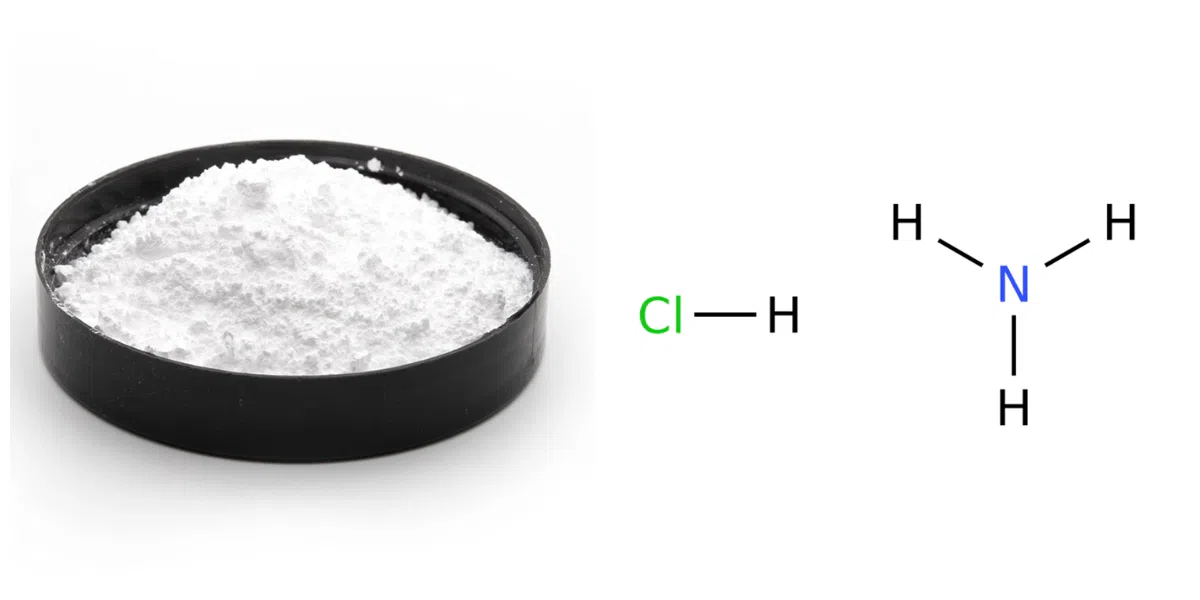
| Molecular Formula | ClH₄N (NH₄Cl) |
| Molecular Weight | 53.49 |
| Appearance | White crystalline solid, odorless, slightly salty cooling taste |
| Melting Point | 340 °C (sublimation, lit.) |
| Boiling Point | 520 °C (decomposes at atmospheric pressure) |
| Density (20℃) | 1.52 g/cm³ |
| Bulk Density | 600-900 kg/m³ |
| Vapor Density (vs Air) | 1.9 |
| Vapor Pressure | 1 mm Hg @ 160.4 °C |
| Refractive Index | 1.642 |
| pKa (20℃) | 9.25 |
| pH Value (200g/L, 25℃) | 4.7 (weakly acidic) |
| Water Solubility | 37.2 g/100mL @ 20℃, soluble with endothermic effect |
| Other Solubility | Soluble in glycerol, slightly soluble in ethanol, insoluble in acetone/ether |
| Storage Condition | Store at 5°C - 30°C, sealed in dry and ventilated warehouse |
| Stability | Hygroscopic; hydrolyzes in aqueous solution; decomposes above 338℃ to release NH₃ and HCl |
| Chemical Reactivity | Reacts with strong bases under heating to release ammonia; forms AgCl precipitate with Ag⁺; corrosive to copper alloys |
Ammonium chloride (CAS#12125-02-9) Concise Product Applications
Agriculture: Serves as a nitrogen fertilizer for rice, wheat, corn and other crops, with controlled soil acidification and no secondary salinization risk .
Food Industry: Acts as yeast nutrient for brewing, dough conditioner for baked goods, partial salt substitute, and natural preservative to extend shelf life .
Pharmaceuticals & Research: Used as an expectorant and diuretic in clinical settings; functions as a cell culture nitrogen source, autophagy/ferroptosis inhibitor, and red blood cell lysis reagent in labs .
Battery & Metallurgy: Serves as electrolyte for zinc-carbon dry batteries to boost discharge capacity; acts as soldering flux for steel galvanizing, metal surface cleaning and electroplating .
Industrial & Environmental: Applied as textile mordant, leather tanning agent, flue gas desulfurizer, and nitrogen source for denitrification in sewage treatment .
Chemical Synthesis: Works as a mild catalyst for multi-component organic synthesis reactions, and a standard analytical buffer reagent in laboratories .