Product Details
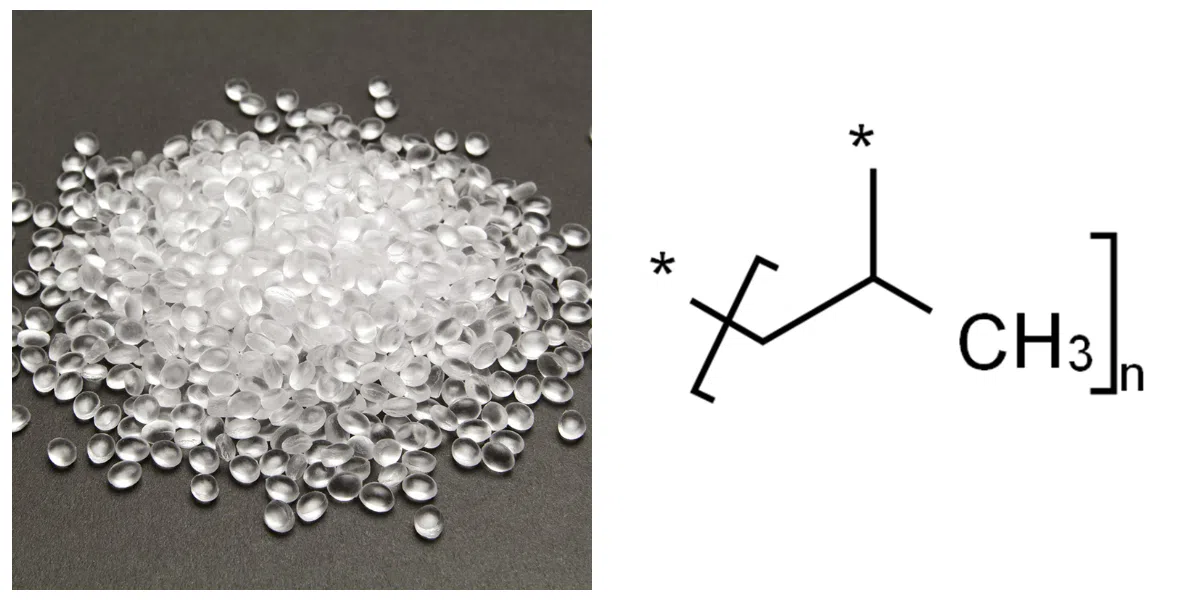
Polypropylene (PP) is a high-molecular-weight polymer synthesized from propylene monomers. Based on differences in polymerization mechanisms, its industrial production can be classified into five core process routes: solution polymerization, slurry polymerization, bulk polymerization, gas-phase polymerization, and integrated bulk-gas phase combined polymerization. From a structural perspective, PP is mainly categorized into three stereoregular forms: isotactic, syndiotactic and atactic. Among these variants, isotactic polypropylene is the most widely adopted in commercial applications, capturing over 90% of the total global PP end-use market.
Atactic polypropylene is a well-suited material for applications in additives, adhesives and various modifier systems. Owing to its elevated viscosity, favorable rheological properties and exceptional coating capacity, it functions as a highly efficient carrier for modified masterbatch production. Syndiotactic polypropylene delivers distinct advantages including outstanding optical clarity, remarkable toughness and excellent flexibility, though its rigidity and hardness only reach approximately 50% of the corresponding performance metrics of isotactic PP. It is compatible with vulcanization processing in the same manner as ethylene-propylene rubber, which can be further processed into elastomers whose overall mechanical performance outperforms that of traditional conventional rubber grades.
While its relatively high production cost currently restricts its large-scale widespread deployment, syndiotactic polypropylene demonstrates robust long-term development potential. It is widely recognized as a high-potential new growth segment within the polypropylene resin industry, as well as an emerging synthetic resin material with prominent value for advanced high-performance material modification.
Product Properties
| English Name | Polypropylene |
| English Synonyms | PROPYLENE RESIN;PROPYLENE, ISOTACTIC RESIN;POLYPROPYLENE;POLYPROPYLENE, ATACTIC;POLYPROPY LENE, PSS NANOREINFORCED;POLYPROPYLENE, ISOTACTIC;Polypropylene master batch,flame retarding;Po lypropylene,film grade |
| CAS Number | 9003-07-0 |
| Molecular Formula | C22H4203 |
| Molecular Weight | 42.08 |
| EINECS Number | 202-316-6 |
| Melting point | 157 °C |
| Boiling point | 120-132 °C |
| Density | 0.9 g/mL at 25 °C (lit.) |
| Refractive index | n20/D 1.49 (lit.) |
| Flash point | >470 |
| Storage conditions | -20°C |
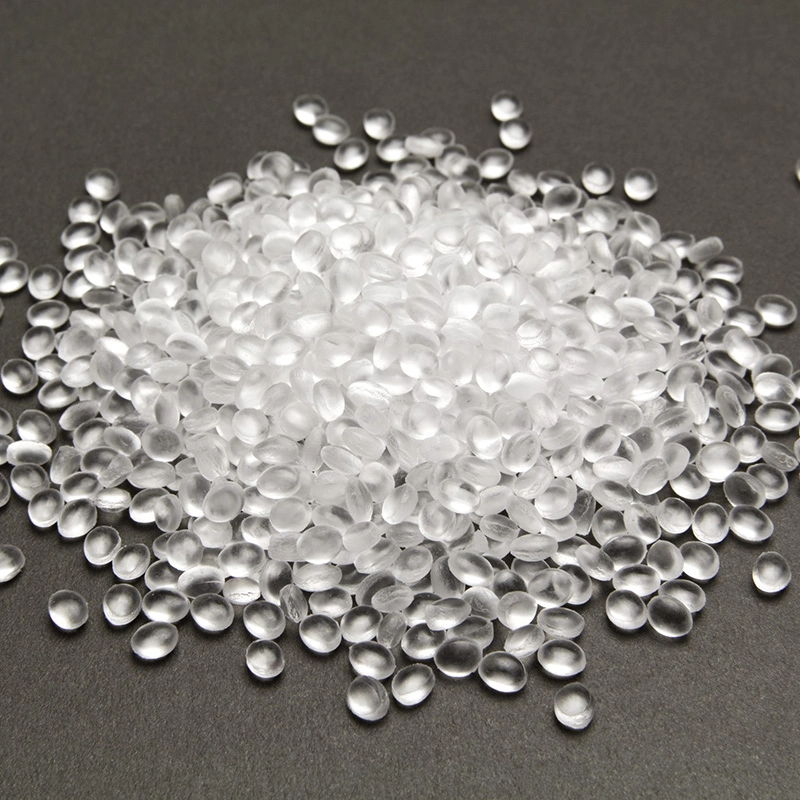
| Appearance | Particles (spherical) |
| Color | red |
| Odor (Odor) | Odorless |
| Biological origin | human |
| Merck | 137,663 |
Product Applications
Polypropylene is distinguished by its exceptional processability, and can be shaped via a full spectrum of manufacturing techniques to produce a diverse portfolio of end products tailored to varied industrial and consumer use cases. Injection-molded PP stands out as the most prevalent processing form, where general-purpose grades act as the primary base material for a vast array of daily consumer goods. Across the automotive, household appliance and industrial manufacturing sectors, both neat polypropylene and its modified variants see extensive deployment. Typical applications include high-toughened PP formulations for automotive bumpers and wheel trims, as well as glass-fiber reinforced PP grades engineered for dashboards, steering wheels, fan blades and mechanical handle components.