3,4-Diaminotoluene CAS#496-72-0 Product Description
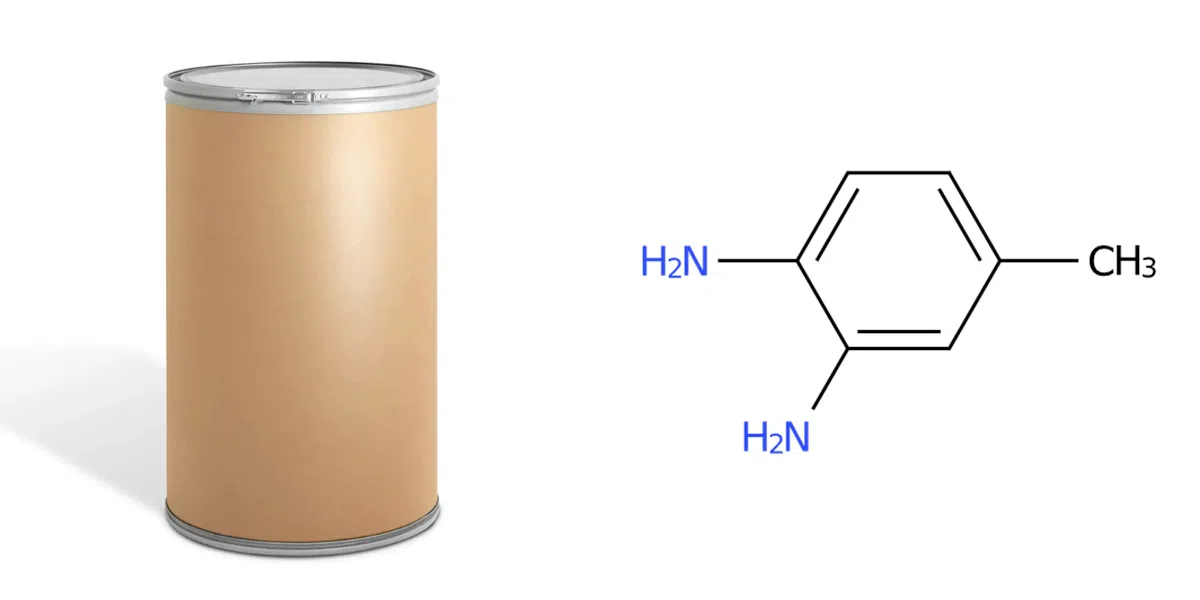
3,4-Diaminotoluene, also designated as 4-methyl-1,2-phenylenediamine, is an organic compound with chemical formula C₇H₁₀N₂ and a molecular weight of 122.17. Its melting point is 87–89°C (lit.), and its boiling point is 265°C.
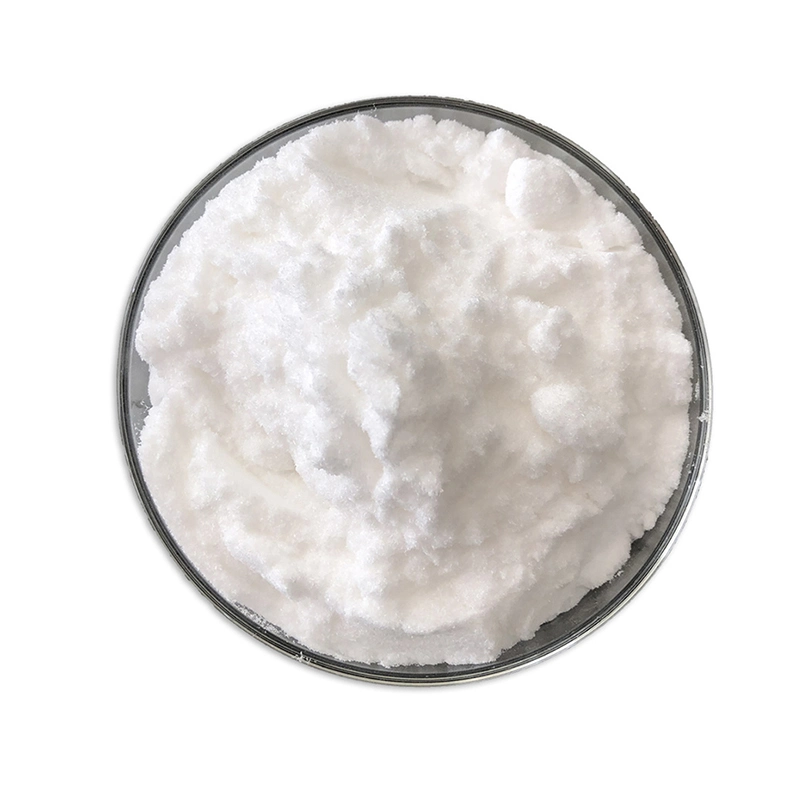
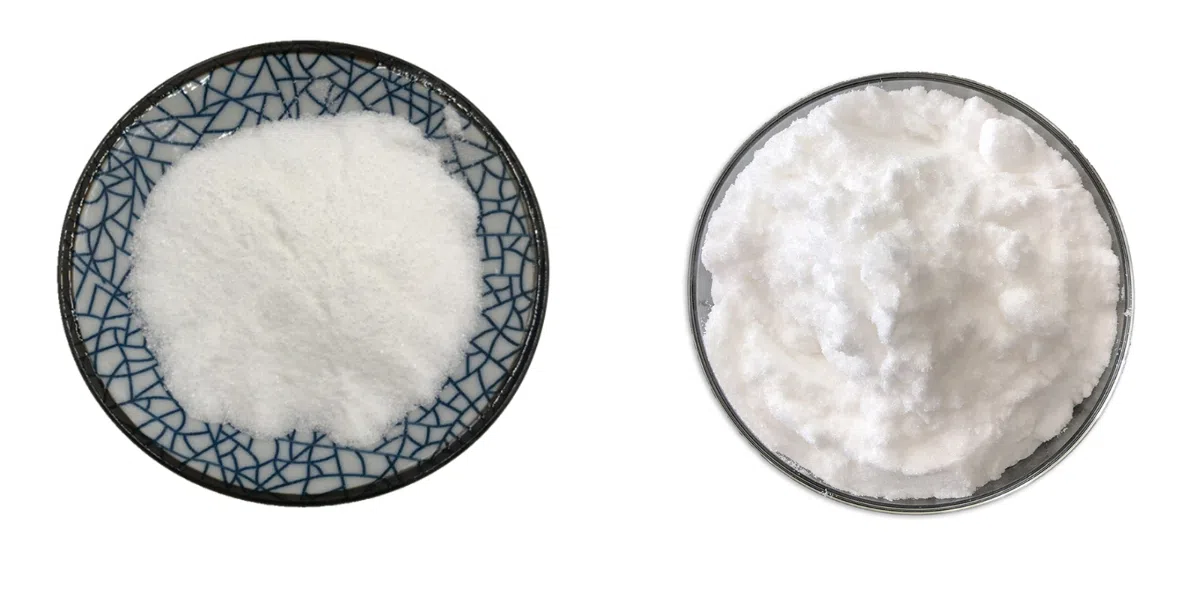
It is obtained as a grayish-white to light brown flaky crystalline solid, exhibiting slight solubility in cold water and capable of sublimation. The reactive amino functionalities present in the molecule render 3,4-Diaminotoluene a widely utilized intermediate in the dye industry and in general organic synthesis.
3,4-Diaminotoluene Chemical Properties
| Melting point | 87-89 °C (lit.) |
| Boiling point | 155-156 °C/18 mmHg (lit.) |
| density | 1.2207 (rough estimate) |
| refractive index | 1.5103 (estimate) |
| Fp | 155-156°C/18mm |
| storage temp. | Keep in dark place,Inert atmosphere,Room temperature |
| solubility | Chloroform (Sparingly), Methanol (Slightly) |
| pka | 4.59±0.10(Predicted) |
| form | Crystalline Chunks or Flakes |
| color | Brown to grayish-brown |
| Water Solubility | 16 g/L (20 ºC) |
| BRN | 507965 |
| Stability: | Stable. Incompatible with strong oxidizing agents. |
| CAS DataBase Reference | 496-72-0(CAS DataBase Reference) |
| NIST Chemistry Reference | 1,2-Benzenediamine, 4-methyl-(496-72-0) |
| EPA Substance Registry System | 3,4-Diaminotoluene (496-72-0) |
| Hazard Codes | Xn |
| Risk Statements | 20/21/22-36/37/38-52/53-40-36-22 |
| Safety Statements | 26-37/39-61-36/37/39 |
| RIDADR | UN 2811 |
| WGK Germany | 2 |
| RTECS | XS9820000 |
| TSCA | Yes |
| HazardClass | 6.1(b) |
| PackingGroup | III |
| HS Code | 29215119 |
| Hazardous Substances Data | 496-72-0(Hazardous Substances Data) |
Product Application of 3,4-Diaminotoluene CAS#496-72-0
The main use of this compound is in producing the premium organic pigment Disperse Fluorescent Yellow. Beyond pigment applications, it acts as an anti-rust and anticorrosion agent, and serves as a versatile intermediate for the synthesis of dye precursors, organic chemical intermediates, and various synthetic metal-based compounds, including those derived from silver, copper, lead, nickel, and zinc.