Product Introduction
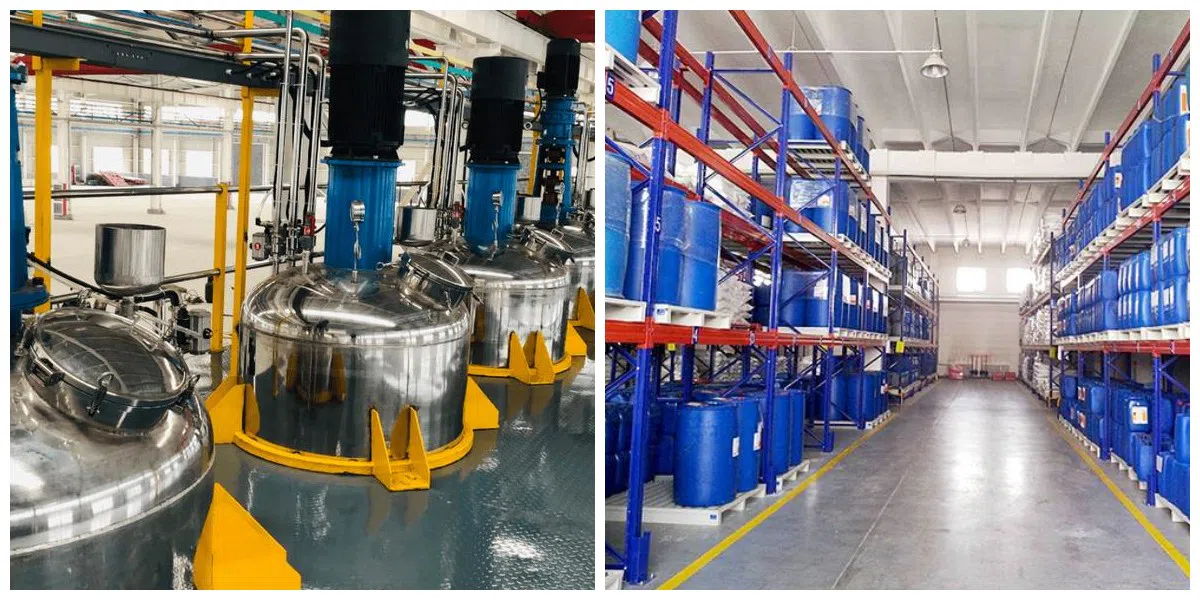
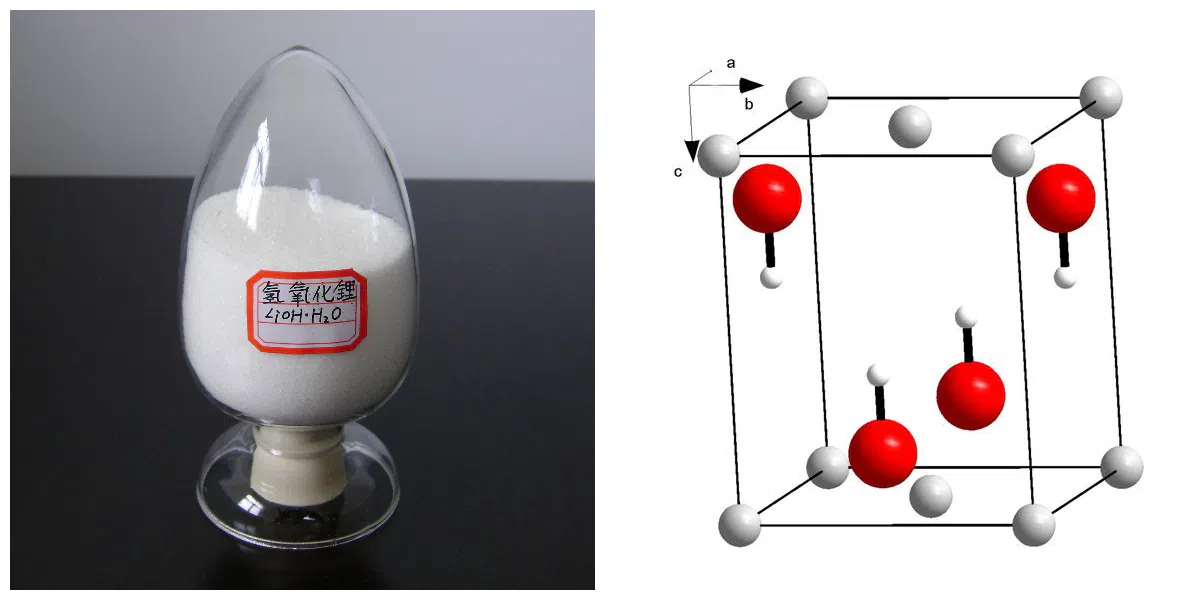
Lithium hydroxide (LiOH) is an inorganic strong base traded in two commercial forms: the monohydrate (LiOH·H₂O) and the anhydrous compound (LiOH). Both are white, odourless, strongly alkaline crystalline solids. At industrial scale the material is produced from spodumene concentrate or from salt-lake brine by conversion and causticisation followed by crystallisation, and it is one of the two principal lithium chemicals of world trade alongside lithium carbonate.
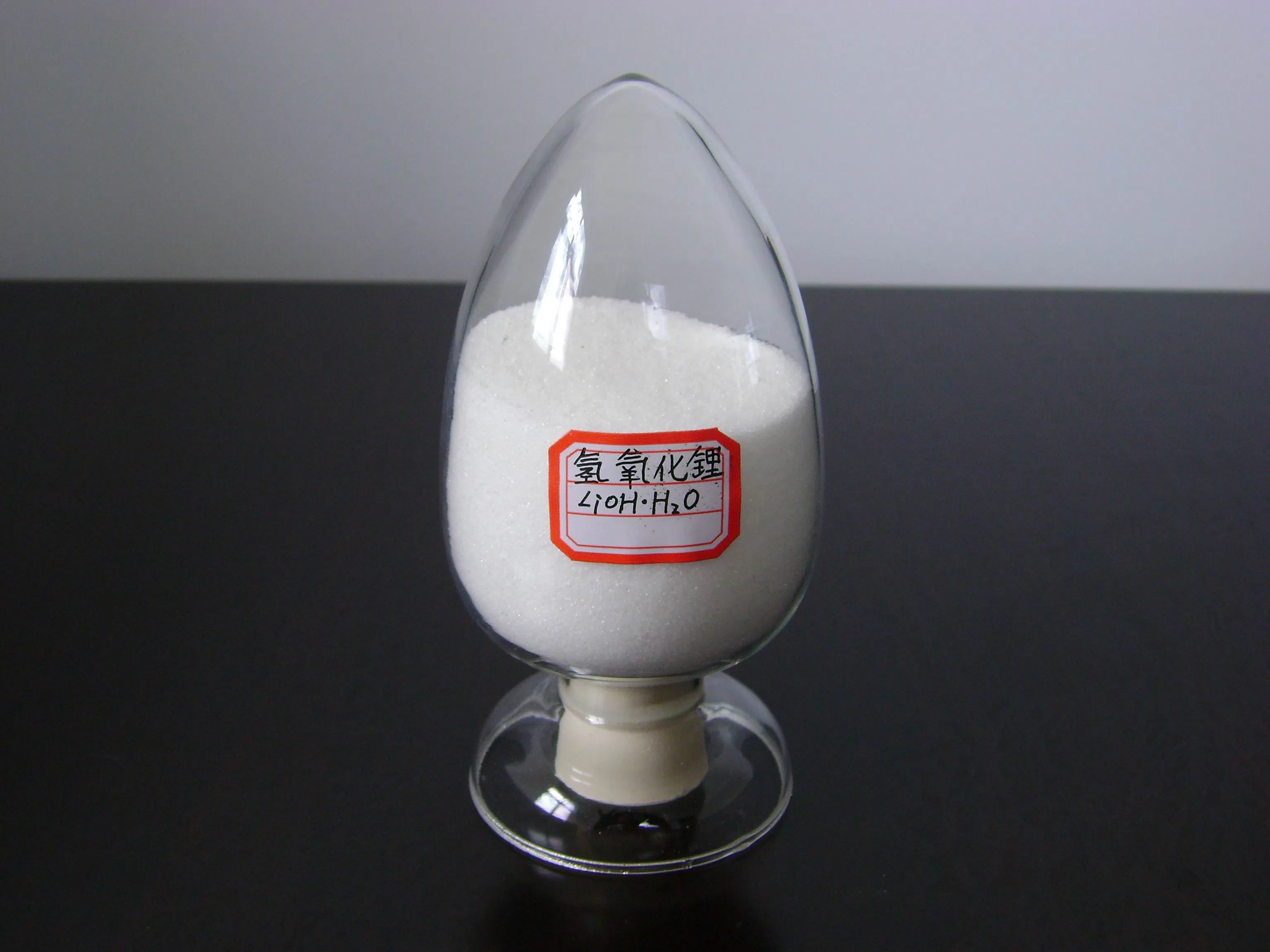
The monohydrate is the form in which most of the material moves in commerce. It assays 56.5 – 57.5 % LiOH by mass (equivalent to about 99 % purity calculated as the monohydrate) and is supplied as a free-flowing white crystalline granule or powder. The anhydrous form carries no water of crystallisation, melts at about 462 °C and is chosen where moisture must be excluded or transport weight matters; it is, however, markedly more hygroscopic and therefore more demanding to pack, sample and store.
Lithium hydroxide is hygroscopic and strongly basic: exposed to air it absorbs moisture and carbon dioxide and gradually reverts to lithium carbonate, so its available alkalinity falls — the reason its packaging must be sealed, its warehouse dry, and its LiOH assay and carbonate content re-tested on arrival. Because it decomposes at a higher temperature than lithium carbonate, it supplies a stable lithium atmosphere during high-temperature sintering and suppresses cation mixing in nickel-rich layered oxides, which is why it became the reference lithium source for high-nickel cathode materials.
Chemical Composition
| Parameter (mass %) | Grade T1 | Grade T2 | Grade 1 | Grade 2 |
| LiOH, min | 56.5 | 56.5 | 56.5 | 56.5 |
| Na, max | 0.002 | 0.008 | 0.020 | 0.050 |
| K, max | 0.001 | 0.002 | 0.020 | 0.050 |
| Fe, max | 0.0008 | 0.0008 | 0.0015 | 0.0020 |
| Ca, max | 0.015 | 0.020 | 0.025 | 0.025 |
| CO₃ (carbonate), max | 0.50 | 0.55 | 0.70 | 0.70 |
| SO₄, max | 0.010 | 0.015 | 0.020 | 0.030 |
| Cl, max | 0.002 | 0.005 | 0.015 | 0.030 |
| HCl-insoluble matter, max | 0.002 | 0.003 | 0.005 | 0.005 |
| Water-insoluble matter, max | 0.003 | 0.005 | 0.010 | 0.010 |
Product Applications
Lithium hydroxide serves three functions in industry: as a lithium source, as a strong base, and as a carbon-dioxide absorbent. Its principal outlets are the following.
Nickel-rich ternary cathode materials — the leading lithium source for NCM811, NCA and other high-nickel cathodes; lithium hydroxide provides a stable lithium atmosphere and better cation ordering than lithium carbonate at the sintering temperatures these materials require.
Other cathode and battery materials — lithium cobalt oxide, lithium manganate and certain LFP routes, together with the electrolyte of alkaline storage batteries.
Lithium-based greases — reacted with 12-hydroxystearic acid to form the lithium soap that thickens lithium grease; whiteness and low impurity content govern soap yield, dropping point and mechanical stability. The dust-free grade is specified for continuous saponification lines.
Lithium salts and lithium chemicals — feedstock for lithium carbonate, lithium chloride, lithium nitrate and lithium bromide; also the working-medium component of lithium bromide absorption chillers.
Glass, ceramics and enamels — additive that lowers melting temperature and modifies thermal expansion.
Carbon dioxide absorption — used to scrub CO₂ in closed environments such as spacecraft and submarines.
Chemical synthesis, analysis and pharmaceutical use — catalyst in alkyd-resin and esterification processes; titration base and pH adjuster in analytical chemistry; photographic developer; pH adjuster and lithiation reagent in synthesis, released against pharmacopoeial requirements or the customer’s in-house specification.