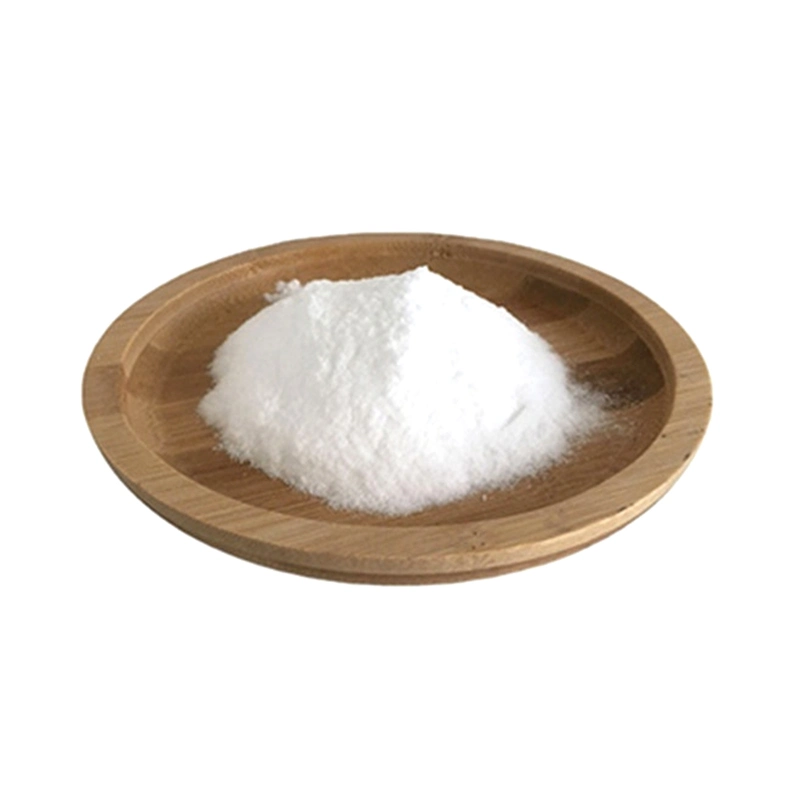
Product Description of Potassium Iodide (CAS No. 7681-11-0)
Potassium iodide is an ionic compound in which iodide ions readily combine with silver ions to form a dark yellow precipitate of silver iodide. This compound is sensitive to light and can decompose upon exposure, making it valuable in the production of high-speed photographic films. Consequently, silver nitrate is frequently used to test for the presence of iodide ions.
Iodine is an essential component of thyroid hormones and plays a critical role in regulating basal metabolism in livestock and poultry, participating in nearly all physiological metabolic processes. Iodine deficiency in animals can result in thyroid enlargement and hyperplasia, reduced basal metabolic rate, and impaired growth and development. For this reason, iodine supplementation must be included in the feed of young animals and those raised in iodine-deficient areas.
High-producing animals, such as dairy cows with high milk yields and laying hens, have greater iodine requirements that must also be met through dietary supplementation. As iodine levels in the diet increase, the iodine content in milk and eggs rises accordingly. Research suggests that iodine-enriched eggs may help reduce cholesterol levels in humans and offer health benefits for individuals with high blood pressure.
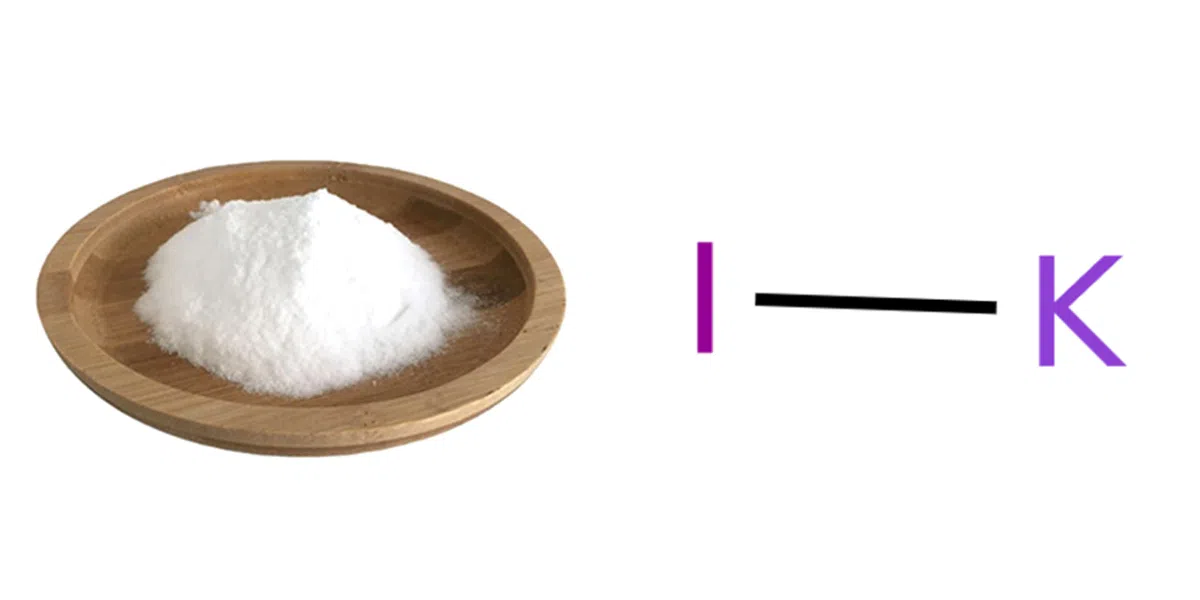
Potassium iodide Chemical Properties
| Melting point | 681 °C (lit.) |
| Boiling point | 184 °C(lit.) |
| Density | 1.7 g/cm3 |
| Vapor density | 9 (vs air) |
| Vapor pressure | 0.31 mm Hg ( 25 °C) |
| Refractive index | 1.677 |
| Fp | 1330°C |
| Storage temp. | 2-8°C |
| Solubility | H2O: 1 M at 20 °C, clear, colorless |
| Form | Particles (round) |
| Pka | 0.06[at 20 ℃] |
| Color | Yellow |
| Specific Gravity | 3.13 |
| Odor | Odorless |
| PH | 6.0-9.0 (25℃, 1M in H2O) |
| Water Solubility | 1.43 kg/L |
| Sensitive | Hygroscopic |
| Merck | 147,643 |
| Exposure limits | ACGIH: TWA 0.01 ppm |
| Dielectric constant | 5.12 |
| BCS Class | 1 |
| Stability | Stable. Protect from light and moisture. Incompatible with strong reducing agents, strong acids, steel, aluminium, alkali metals, brass, magnesium, zinc, cadmium, copper, tin, nickel and their alloys. |
| InChIKey | NLKNQRATVPKPDG-UHFFFAOYSA-M |
| LogP | -0.958 at 25℃ |
| CAS DataBase Reference | 7681-11-0(CAS DataBase Reference) |
| NIST Chemistry Reference | Potassium iodide(7681-11-0) |
| EPA Substance Registry System | Potassium iodide (7681-11-0) |
Safety Information
| Hazard Codes | Xn |
| Risk Statements | 26 |
| Safety Statements | 22-36/38 |
| WGK Germany | 1 |
| RTECS | TT2975000 |
| F | 10 |
| TSCA | Yes |
| HS Code | 28276000 |
| Hazardous Substances Data | 7681-11-0(Hazardous Substances Data) |
| Toxicity | Approx LD i.v. in rats: 285 mg/kg (Hildebrandt) |
Product Application of Potassium Iodide CAS#7681-11-0