(1S,2S)-(+)-Pseudoephedrine Hydrochloride CAS#345-78-8
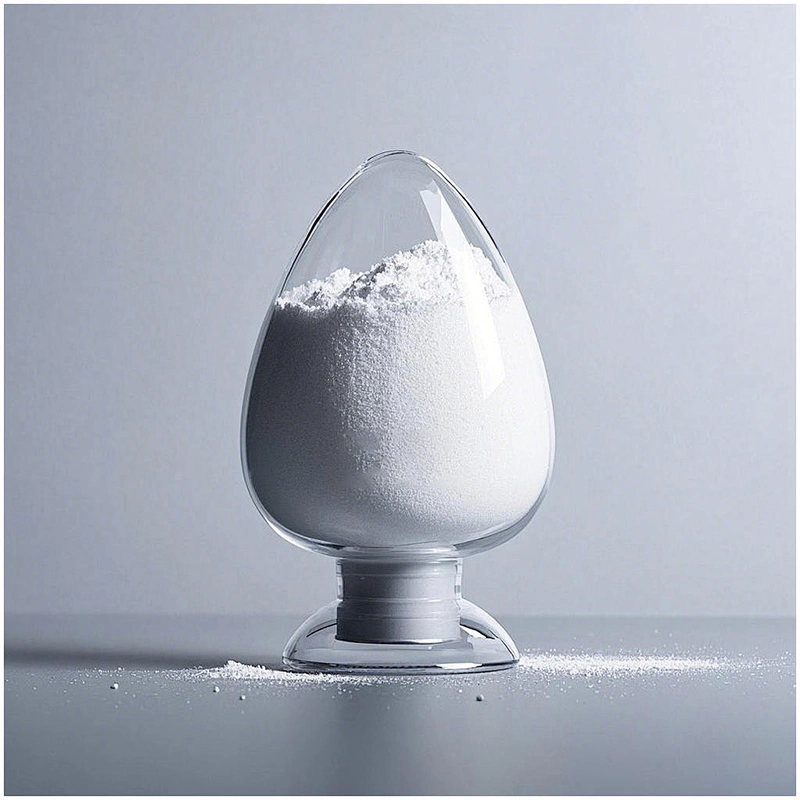
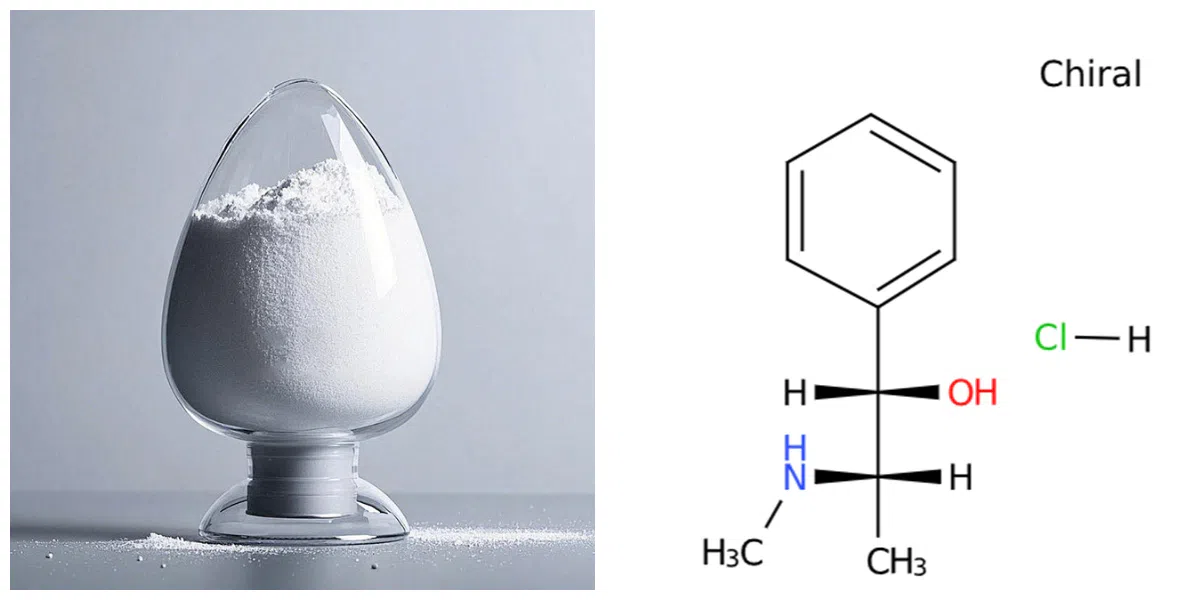
(1S,2S)-(+)-Pseudoephedrine hydrochloride is a white crystalline solid characterized by a bitter taste and virtually no odor. It dissolves readily in water, shows limited solubility in ethanol, and remains insoluble in trichloromethane and ether. As a key pharmaceutical starting material, it is extensively employed in the production of combination cold remedies and a wide range of other medicinal products. Additionally, it functions as a valuable intermediate in organic synthesis, supporting the preparation of numerous organic compounds.
(1S,2S)-(+)-Pseudoephedrine hydrochloride Chemical Properties
| Product Name: | (1S,2S)-(+)-Pseudoephedrine hydrochloride |
| Synonyms: | (+)-PSI-EPHEDRINE HYDROCHLORIDE;PSI-EPHEDRINE HYDROCHLORIDE;PSEUDOEPHEDRINE HCL;PSEUDOEPHEDRINE HCL, (+)-1S,2S-;PSEUDOEPHEDRINE HYDROCHLORIDE;a)]-;alpha-(1-(methylamino)ethyl)-,hydrochloride,(s-(r*,r*))-benzenemethano;benzenemethanol,alpha-[1-(methylamino)ethyl]-,hydrochloride,[s-(theta,thet |
| CAS: | 345-78-8 |
| MF: | C10H16ClNO |
| MW: | 201.69 |
| EINECS: | 206-462-1 |
| Product Categories: | Pharmaceutical Raw Materials;Amines;Aromatics;Chiral Reagents;Intermediates & Fine Chemicals;Pharmaceuticals;API's |
| Mol File: | 345-78-8.mol |
| Melting point | 185-188 °C(lit.) |
| alpha | 61 º (c=5, H2O,2dm tube) |
| storage temp. | Refrigerator (+4°C) |
| solubility | Freely soluble in water and in ethanol (96 per cent), sparingly soluble in methylene chloride. |
| pka | 9.22(at 25℃) |
| form | buffered aqueous solution |
| biological source | rabbit |
| Merck | 138007 |
| BRN | 3915112 |
| LogP | -1.74 at 23℃ and pH7 |
| CAS DataBase Reference | 345-78-8(CAS DataBase Reference) |
| EPA Substance Registry System | Benzenemethanol, .alpha.-[(1S)-1-(methylamino)ethyl]-, hydrochloride, (.alpha.S)- (345-78-8) |
Product Usage of (1S,2S)-(+)-Pseudoephedrine Hydrochloride
(1S,2S)-(+)-Pseudoephedrine hydrochloride serves as an important building block in organic synthesis, with its functional groups facilitating involvement in numerous reaction pathways. Its applications include the synthesis of target molecules with specific architectures and functionalities, ranging from fine chemicals to pharmaceutical intermediates. This versatility underscores its considerable significance within the organic synthesis arena.