Pancreatin CAS#8049-47-6 Product Details
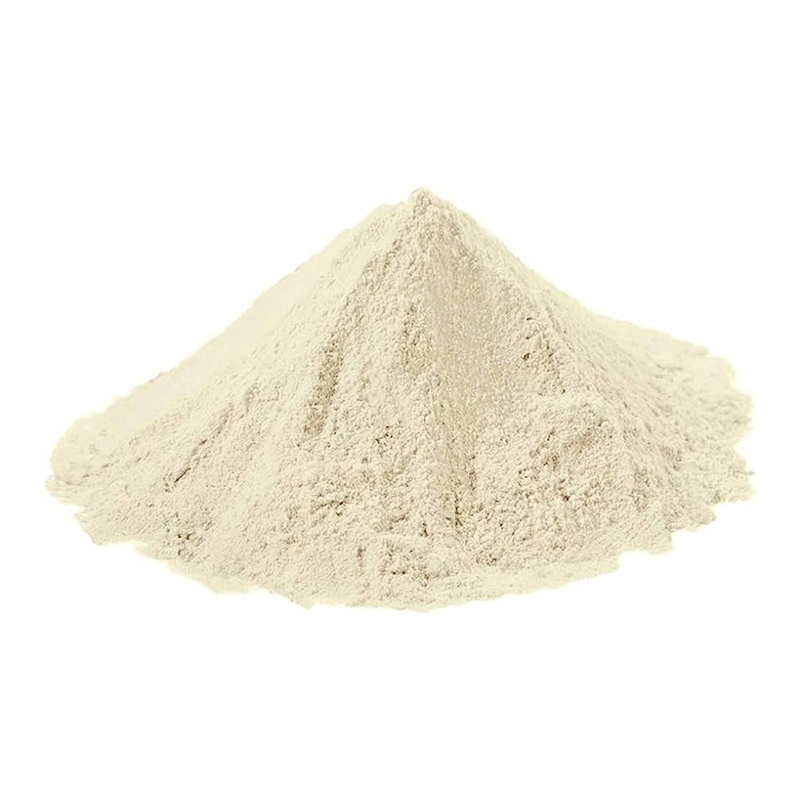
Pancreatin is a substance obtained from the fresh pancreas of hogs or oxen, consisting of a mixed enzyme system dominated by pancreatic amylase (amylopsin), protease, and pancreatic lipase (steapsin). It can convert no less than 25 times its own weight of USP potato starch reference standard into soluble carbohydrates, and no less than 25 times its weight of casein into proteoses. This material exhibits optimal performance in neutral or slightly alkaline environments, while extreme acidity or alkalinity will lead to its inactivation.
Pancreatin can be produced by extracting fresh animal glands with 25% alcohol or water, followed by an alcohol precipitation step. Beyond its core enzyme components, it also contains trypsinogen (which can be activated by intestinal enterokinase), chymotrypsinogen (which is converted to chymotrypsin via trypsin), and carboxypeptidase.
It is widely applied in the predigestion of food materials and the manufacturing of hydrolysate products.
However, its enzymatic activity after oral administration is often restricted: the contained enzymes can be degraded by pepsin and gastric acid, though a fraction of the active components may pass intact into the intestinal tract. Even with enteric coating protection, its overall contribution to the digestive process may still remain limited.
Pancreatin Chemical Properties
| Bulk density | 400kg/m3 |
| Density | 1.4-1.52 |
| Vapor pressure | 0Pa at 25℃ |
| Storage temp | -20°C |
| Solubility | Soluble or partly soluble in water forming a slightly turbid solution; practically insoluble in ethanol (96%) and in ether . |
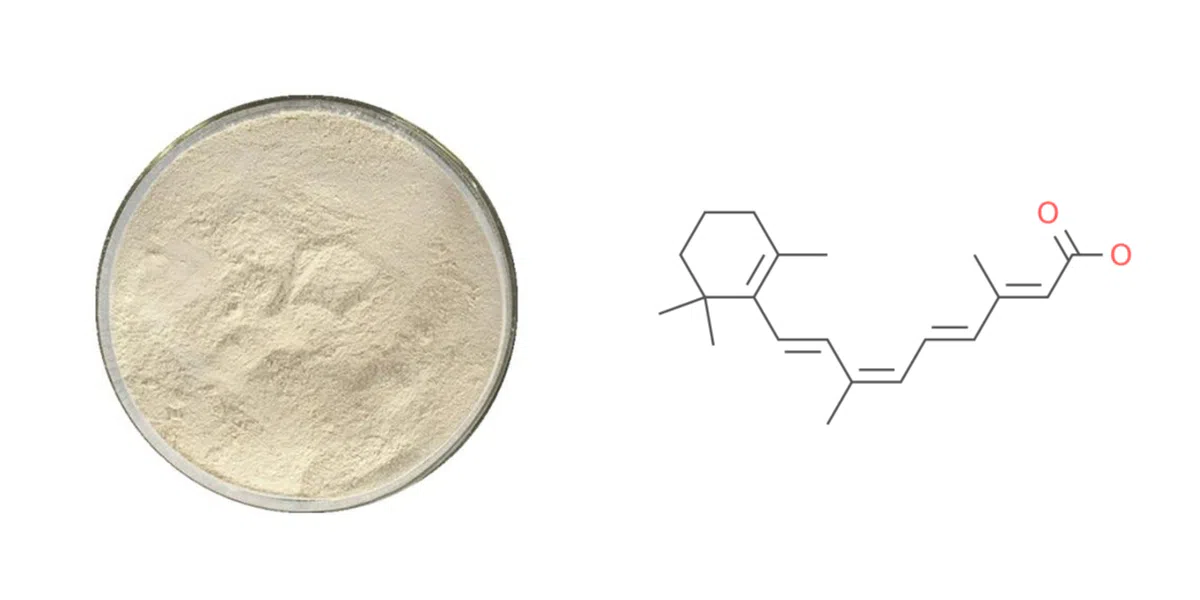
| Form | powder |
| Color | beige |
| PH | 5-6 (20°C, 10g/L in H2O) |
| Biological source | Porcine pancreas |
| Water Solubility | Soluble in water. Insoluble in alcohol and ether. |
| Merck | 137075 |
| Specific Activity | 8× USP specifications |
| Stability | Stable. Incompatible with alcohols, strong acids. |
| Cosmetics Ingredients Functions | HAIR CONDITIONING |
| SKIN CONDITIONING | |
| LogP | -1.3 at 20℃ and pH5.7-5.8 |
| EPA Substance Registry System | Pancreatin (8049-47-6) |
Safety Information
| Hazard Codes | Xn |
| Risk Statements | 36/37/38-42-42/43 |
| Safety Statements | 22-24-26-36/37-37/39 |
| WGK Germany | 1 |
| RTECS | RT9033000 |
| F | 46091 |
| Autoignition Temperature | >360°C |
| TSCA | TSCA listed |
| HS Code | 35079090 |
| Storage Class | 13 - Non Combustible Solids |
| Hazard Classifications | Eye Irrit. 2 |
| Resp. Sens. 1 | |
| Skin Irrit. 2 | |
| Skin Sens. 1 | |
| STOT SE 3 | |
| Hazardous Substances Data | 8049-47-6(Hazardous Substances Data) |
| Toxicity | LD50 orl-rat: >10 g/kg YACHDS 3,2427,75 |
Product Application of Pancreatin CAS#8049-47-6
Pancreatin catalyzes the hydrolysis of starch into dextrins and sugars. Specifically, pancreatin sourced from porcine pancreas is employed in lipase supplementation therapy for the management of steatorrhea and pancreatic diabetes. Beyond its metabolic role, it is applied in surgical contexts to remove formalin-fixed tissues from arterial grafts without compromising fiber integrity, and it also has uses in contact lens-related applications.
Additionally, pancreatin serves as a treatment for disorders involving deficient pancreatic secretions, such as those resulting from surgical pancreatectomy, pancreatitis, and cystic fibrosis.