Product Details
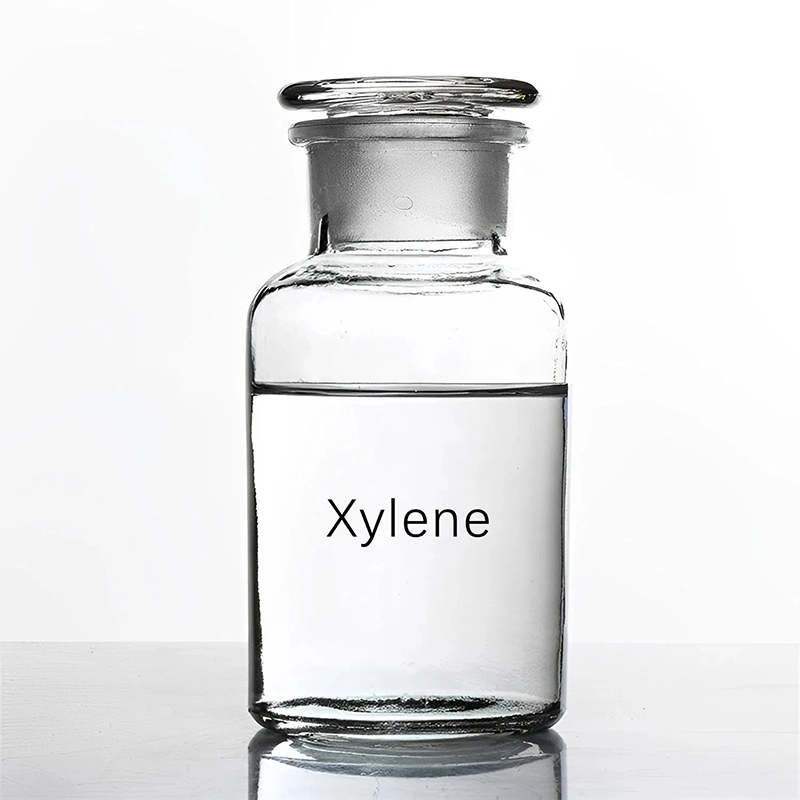
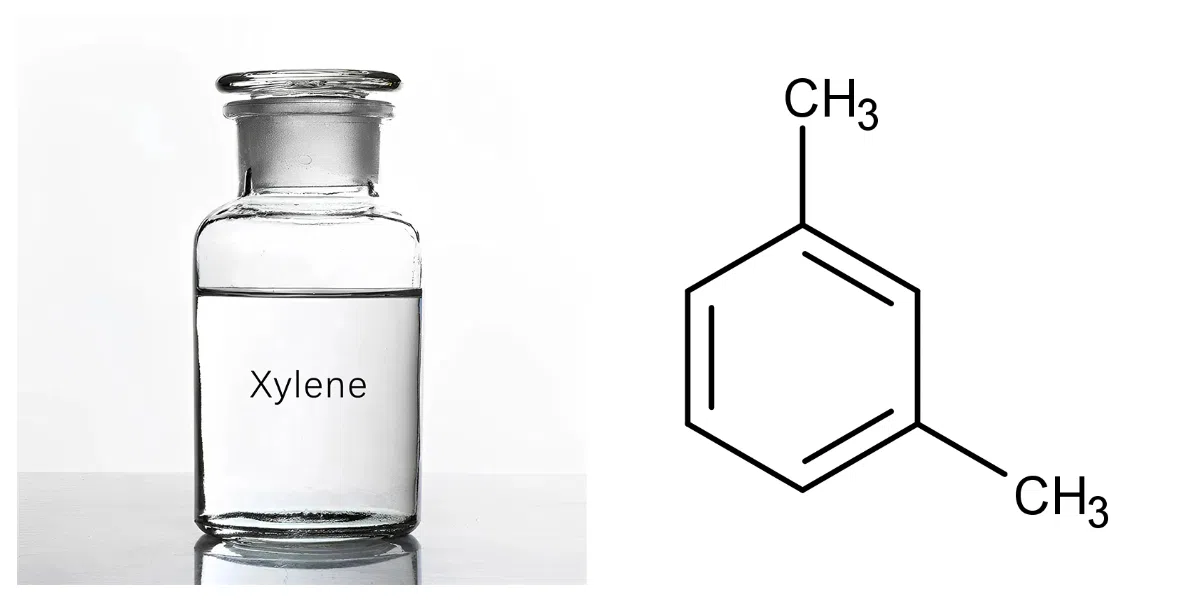
Xylene, also known as dimethylbenzene, is a transparent, colorless aromatic liquid. Its molecular structure is formed by substituting two hydrogen atoms on the benzene ring with methyl groups, giving it a boiling point range of 137–140°C. Depending on the relative positions of the two methyl substituents, xylene naturally occurs in three distinct isomer forms: ortho-xylene, meta-xylene and para-xylene. For industrial use, the term "xylene" generally refers to a practical mixture of these three isomers, plus a certain proportion of ethylbenzene. Per Chemicalbook industry standards, commercial xylene products are usually graded into premium and first-class categories, with a purified water distillation range controlled at either 3°C or 5°C.
This aromatic compound is fully miscible with ethanol, chloroform and ether, while showing almost no solubility in water. It is widely deployed as a high-performance organic solvent, and serves as a core raw material for the manufacturing of pharmaceuticals, coatings, resins, dyes, explosives and agrochemical pesticides. Xylene carries moderate acute toxicity and confirmed potential carcinogenic properties. In the environment, xylene contamination mainly originates from emissions related to synthetic fibers, plastics, fuels, rubber goods, various paint additives, adhesives and waterproofing materials, as well as fuel combustion exhaust and tobacco smoke.
Parameters
| Melting point | -34 °C |
| Boiling point | 137-140 °C (lit.) |
| density | 0.86 g/mL at 25 °C (lit.) |
| vapor density | 3.7 (vs air) |
| vapor pressure | 18 mm Hg ( 37.7 °C) |
| refractive index | n20/D 1.497(lit.) |
| Fp | 77 °F(lit.) |
| storage temp. | Flammables area |
| solubility | Chloroform (Soluble), Methanol (Slightly) |
| form | Liquid |
| color | APHA: ≤10 |
| Odor | char. sweet odor |
| explosive limit | 7% |
| Water Solubility | <0.1 g/L (20 ºC) |
| Merck | 14,10081 |
| BRN | 1901563 |
| Exposure limits | ACGIH: TWA 100 ppm; STEL 150 ppm OSHA: TWA 100 ppm(435 mg/m3) |
| Dielectric constant | 10.0(Ambient) |
| Stability: | Volatile, flammable and its vapors form explosive mixtures with air at room temperature. |
| InChIKey | KAKOUNRRKSHVJO-UHFFFAOYSA-N |
| LogP | 3.16 at 20℃ |
| CAS DataBase Reference | 1330-20-7(CAS DataBase Reference) |
| IARC | 3 (Vol. 47, 71) 1999 |
| EPA Substance Registry System | Xylene (1330-20-7) |
Safety Information
| Hazard Codes | Xn,F |
| Risk Statements | 10-20/21-38-36/38-65-48/20 |
| Safety Statements | 25-36/37-62 |
| RIDADR | UN 1307 3/PG 3 |
| OEB | A |
| OEL | TWA: 100.0 ppm; 435.0 mg/m3, STEL: 150.0 ppm; 655.0 mg/m3 |
| WGK Germany | 2 |
| RTECS | ZE2100000 |
| Autoignition Temperature | 867 °F |
| TSCA | Yes |
| HazardClass | 3 |
| PackingGroup | II |
| HS Code | 29024400 |
| Hazardous Substances Data | 1330-20-7(Hazardous Substances Data) |
| Toxicity | LD50 oral in rat: 4300mg/kg |
Production Application
High-performance universal organic solvent, widely used in paints, coatings, resins, adhesives and printing ink manufacturing.
Core industrial raw material for producing phthalic anhydride, polyester fibers, plasticizers and synthetic dyes.
Standard clearing agent for routine histology and cytology laboratory processing workflows.
Effective degreasing and cleaning agent for precision metal, electronic component and rubber product production.
Critical component in gasoline blending, to boost octane rating and optimize fuel combustion performance.