Products Description of Sodium Carboxymethyl Cellulose (CMC) CAS#9004-32-4
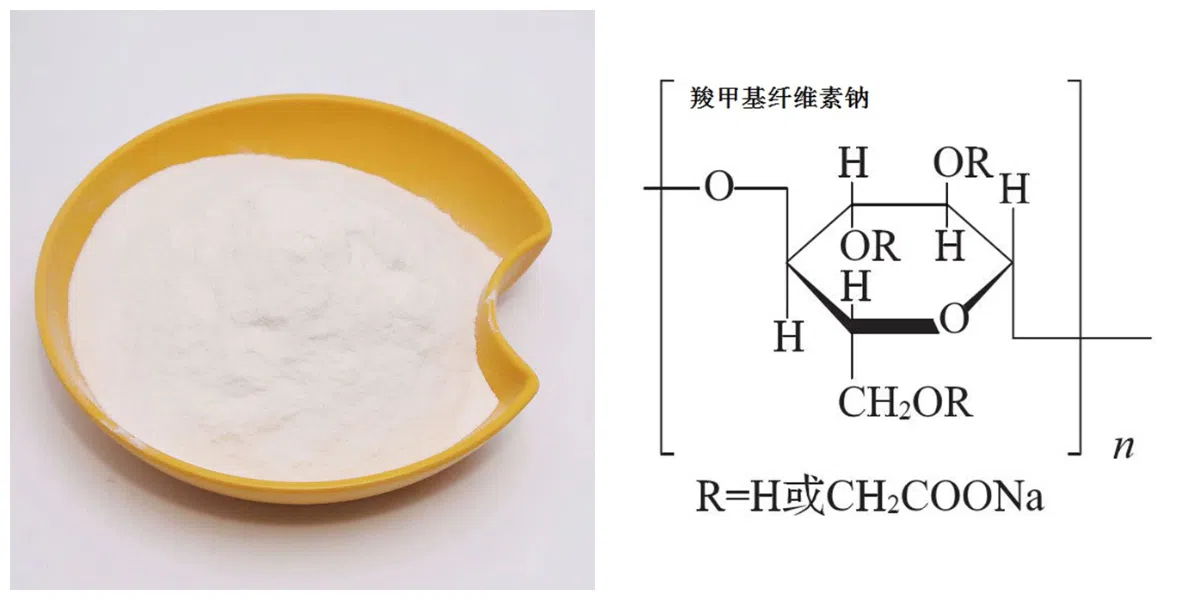
Sodium carboxymethyl cellulose (CMC), also called cellulose gum, is made from natural cellulose through a carboxymethylation process and is the main type of anionic cellulose ether. It's typically produced by reacting cellulose with sodium hydroxide and monochloroacetic acid, creating an anionic polymer with molecular weights that can range from a few thousand to several million.
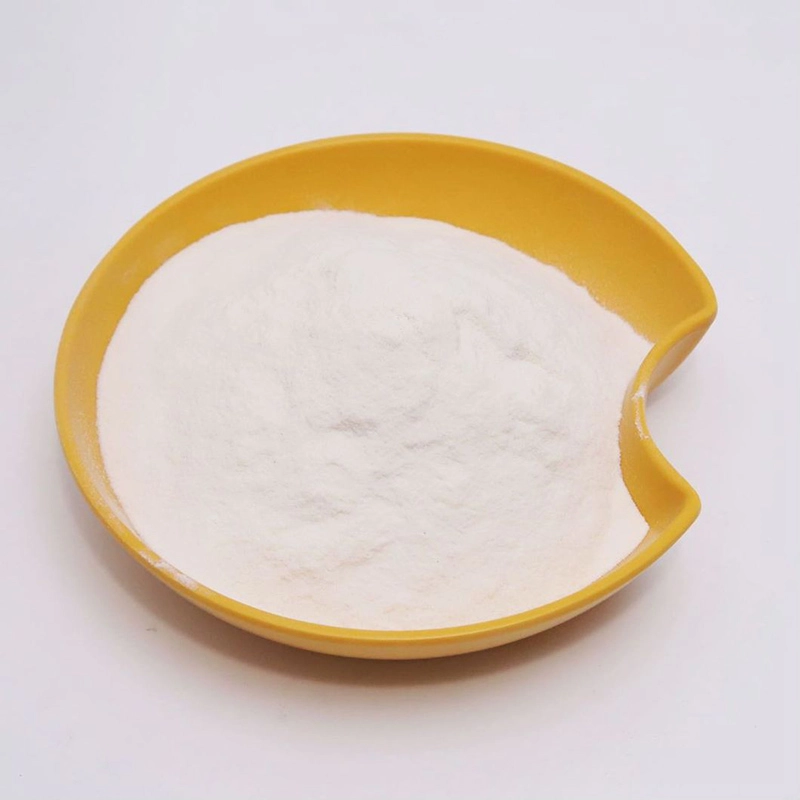
CMC looks like a white or slightly off-white fibrous powder or granules, with a density of 0.5–0.7 g/cm³. It has almost no smell or taste, and it absorbs moisture from the air. It disperses easily in water to form a clear colloidal solution, but it won't dissolve in organic solvents like ethanol. A 1% solution in water has a pH of 6.5–8.5, and it works best at neutral pH—its thickness drops off a lot when the pH goes below 5 or above 10.
When it comes to heat, CMC handles it fairly well: viscosity rises fast below 20°C, changes slowly around 45°C, but if you heat it above 80°C for a long time, the colloid can break down and lose effectiveness. It's very stable in alkaline solutions, but breaks down easily in acid—and it will precipitate out at pH 2–3 or if you add certain metal salts. In its dry, solid form, CMC is stable at room temperature and in normal light, and you can store it for a long time as long as it stays dry.
Sodium Carboxymethyl Cellulose Chemical Properties
| Melting point | 274 °C (dec.) |
| Density | 1,6 g/cm3 |
| FEMA | 2239 | CARBOXYMETHYLCELLULOSE |
| Storage temp | room temp |
| Solubility | H2O: 20 mg/mL, soluble |
| Form | low viscosity |
| Pka | 4.30(at 25℃) |
| Color | White to light yellow |
| PH | pH (10g/l, 25℃) 6.0~8.0 |
| Odor | Odorless |
| PH Range | 6.5 - 8.5 |
| Water Solubility | soluble |
| Merck | 141829 |
| Stability | Stable. Incompatible with strong oxidizing agents. |
| EPA Substance Registry System | Sodium carboxymethyl cellulose (9004-32-4) |
| Risk Statements | 40 |
| Safety Statements | 24/25 |
| WGK Germany | 1 |
| RTECS | FJ5950000 |
| F | 3 |
| Autoignition Temperature | 698 °F |
| TSCA | Yes |
| HS Code | 39123100 |
| Toxicity | LD50 oral in rabbit: > 27gm/kg |
Product Application of Sodium Carboxymethyl Cellulose (CMC) CAS#9004-32-4
Sodium carboxymethyl cellulose works as a thickener, stabilizer, and emulsifier, and it's used in many different industries. In food, edible CMC helps with thickening, emulsifying, shaping, holding water, and keeping things stable. Adding it to food products can cut production costs, improve both quality and taste, and make the products last longer. You'll find it in a huge variety of items—solid and liquid drinks, canned foods, sweets, cakes, meat products, biscuits, instant noodles, quick-cooking and frozen foods, as well as soy milk, yogurt, peanut milk, fruit tea, and fruit juice. How much to use and how to use it depends on the specific food product.