Products Description of Collagenase CAS#9001-12-1
Collagenase—also known as clostridial peptidase—is a protein-digesting enzyme made by fermenting Clostridium histolyticum bacteria.
The medical-grade version is purified from the culture broth of the ATCC 21000 strain and is especially good at breaking down peptide bonds that contain Gly–Pro sequences.
By splitting native collagen, it creates an opening for other enzymes to do their job, giving it a special ability to both break down and unwind collagen.
This medical enzyme works well on both natural and denatured collagen, digests dead tissue effectively, and helps promote the growth of new tissue and skin cells.
It doesn't affect globulin or fibrin, so it leaves healthy blood vessels and muscle tissue alone. That's why it's widely used for debridement, removing scabs, and treating chronic skin ulcers, bedsores, and second- and third-degree burns.
Collagenase Chemical Properties
| Storage temp | -20°C |
| Solubility | Soluble in aqueous buffers. |
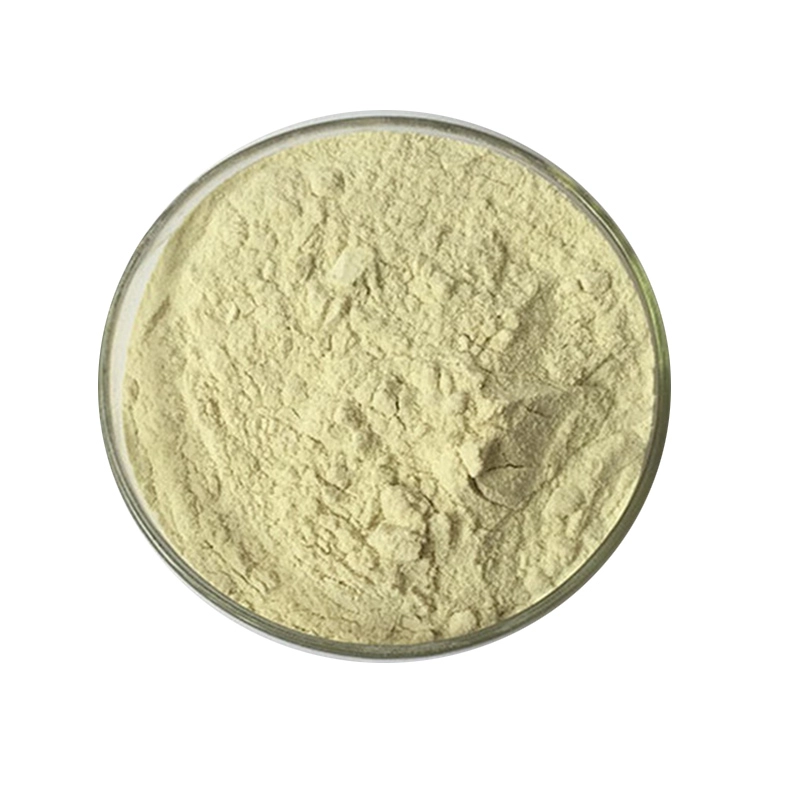
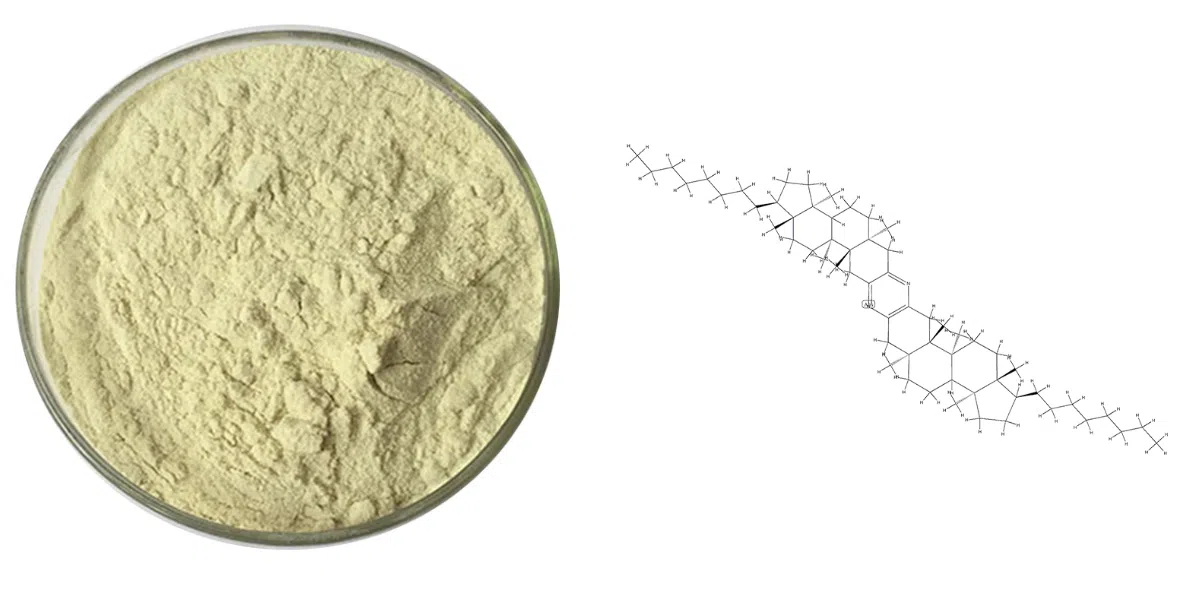
| Form | powder |
| Color | light brown |
| PH | 7 |
| Merck | 2481 |
| InChIKey | YRQNKMKHABXEJZ-UVQQGXFZSA-N |
| CAS DataBase Reference | 9001/12/1 |
| EPA Substance Registry System | Collagenase (9001-12-1) |
| Hazard Codes | Xn |
| Risk Statements | 36/37/38-42 |
| Safety Statements | 22-24-26-36/37 |
| WGK Germany | 1 |
| F | 10-21 |
| HS Code | 3507907000 |
Product Application of Collagenase CAS#9001-12-1
Role in Wound Healing and Scar Management
Collagen is a key player in wound healing and scar formation. It's a core part of elastic tissue and adhesive materials, and it also encourages cells to grow and differentiate, helps tissues develop, and promotes connective tissue growth. It supports the growth of new blood vessels, attracts immune cells and fibroblasts to the wound, and helps feed and regulate granulation tissue. Studies have shown that collagen can treat skin ulcers from different causes, helping both shallow and deep ulcers heal by promoting new skin growth and granulation tissue formation.
Importance in Bone Structure and Strength
About 70–80% of the organic material in bones is collagen. When bone is forming, collagen fibers are made first to build the framework—that's why collagen is often called the "bone within bone." These fibers give bones strength, flexibility, and elasticity. Just like steel rebar strengthens concrete, collagen fibers reinforce bones. If you don't have enough collagen, it's like using weak steel—your bones are much more likely to break.
Support Function in Breast Structure
It's been known for a long time that collagen is important for breast support. Breasts are mostly connective tissue and fat, and their firmness and shape depend heavily on how strong that connective tissue is. Collagen is the main ingredient here—it weaves together with polysaccharide proteins to form a mesh that gives mechanical strength, supports the shape of the body, and helps maintain an upright posture.
Protective and Elastic Function in Skin
Collagen is often called "bone within bone, skin within skin, and flesh within flesh" because it makes up the structural foundation of the dermis. The dermis is about 2 mm thick and has three layers: the papillary, subpapillary, and reticular layers. It's mostly made of proteins—mainly collagen and elastin—and collagen alone accounts for about 70% of the skin. It acts like a protective coat over the body, letting the skin move and stretch while keeping it firm, elastic, and strong.