1-Butanol CAS#71-36-3
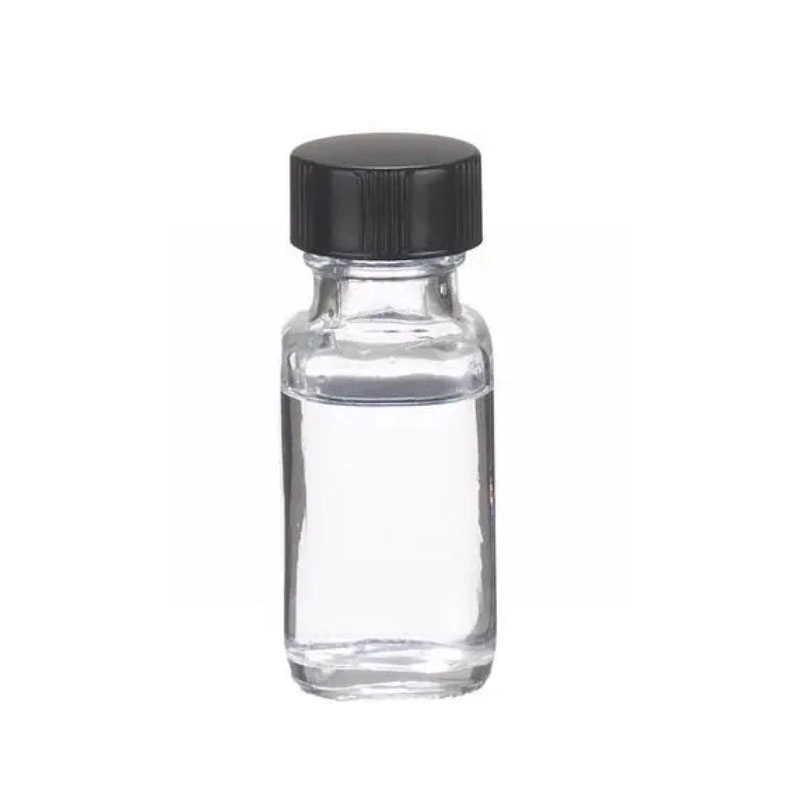
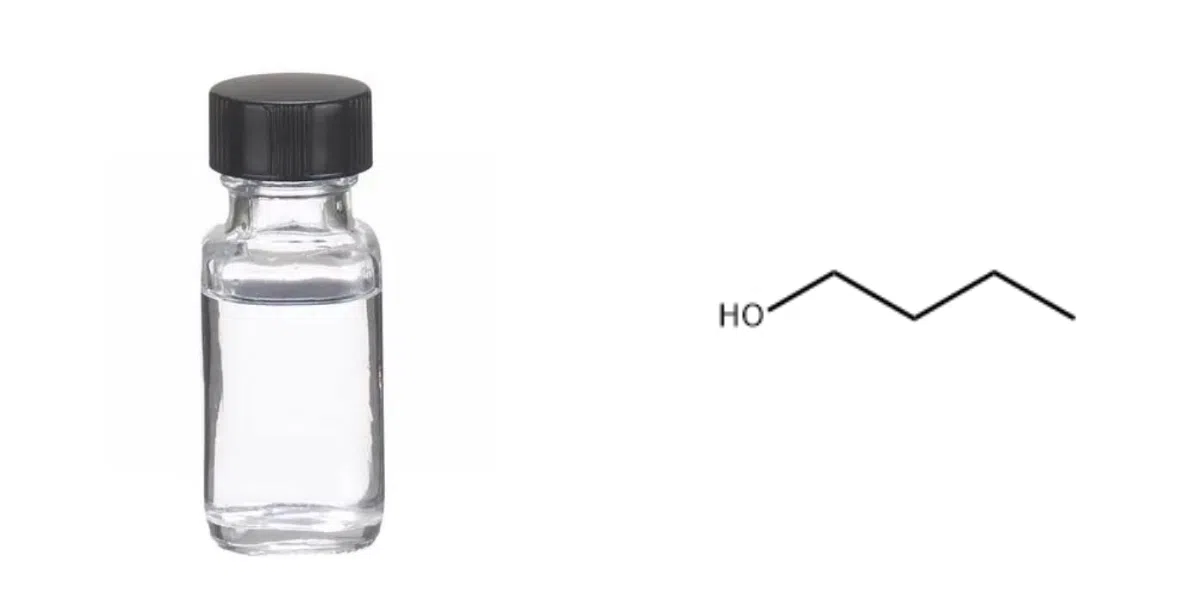
n-Butanol (CAS# 71-36-3) is a colourless, flammable liquid with a characteristic pungent alcoholic odour. As a highly refractive compound, it burns with a distinctly bright, luminous flame under standard combustion conditions. This material is chemically incompatible with strong acids, powerful oxidising agents, aluminium, acid chlorides, acid anhydrides, copper and copper-based alloys, and must be stored and handled away from these substances.
It holds extensive application value across a wide range of industrial sectors. It is widely deployed as a high-performance solvent in the production of paints, varnishes, synthetic resins, natural gums, pharmaceutical intermediates, vegetable oil extraction, industrial dyes and alkaloid purification. It also serves as a core processing raw material in the manufacturing chain of artificial leather, rubber products, plastic cements, shellac coatings, waterproof raincoats, fragrance formulations and photosensitive photographic films.
Chemical Properties
| Melting point | -90 °C (lit.) |
| Boiling point | 116-118 °C (lit.) |
| density | 0.81 g/mL at 25 °C (lit.) |
| vapor density | 2.55 (vs air) |
| vapor pressure | 6.7 hPa (20 °C) |
| refractive index | n20/D 1.399(lit.) |
| FEMA | 2178 | BUTYL ALCOHOL |
| Fp | 95 °F |
| storage temp. | Store at +5°C to +30°C. |
| solubility | water: soluble |
| form | Liquid |
| pka | 15.24±0.10(Predicted) |
| color | APHA: ≤10 |
| Relative polarity | 0.586 |
| PH | 7 (70g/l, H2O, 20℃) |
| Odor | Alcohol-like; pungent; strong; characteristic; mildly alcoholic, non residual. |
| explosive limit | 1.4-11.3%(V) |
| Odor Threshold | 0.038ppm |
| Odor Type | fermented |
| Water Solubility | 80 g/L (20 ºC) |
| Sensitive | Moisture Sensitive |
| λmax | λ: 215 nm Amax: 1.00 λ: 220 nm Amax: 0.50 λ: 240 nm Amax: 0.10 λ: 260 nm Amax: 0.04 λ: 280-400 nm Amax: 0.01 |
| Merck | 14,1540 |
| JECFA Number | 85 |
| BRN | 969148 |
| Henry's Law Constant | 49.2 at 50 °C, 92.0 at 60 °C, 152 at 70 °C, 243 at 80 °C (headspace-GC, Hovorka et al., 2002) |
| Exposure limits | TLV-TWA 300 mg/m3 (100 ppm) (NIOSH), 150 mg/m3 (50 ppm) (ACGIH); IDLH 8000 ppm (NIOSH). |
| Dielectric constant | 17.1(25℃) |
| Stability: | Stable. Incompatible with strong acids, strong oxidizing agents, aluminium, acid chlorides, acid anhydrides, copper, copper alloys. Flammable. |
| LogP | 0.88 |
| CAS DataBase Reference | 71-36-3(CAS DataBase Reference) |
| NIST Chemistry Reference | 1-Butanol(71-36-3) |
| EPA Substance Registry System | 1-Butanol (71-36-3) |
Safety Information
| Hazard Codes | Xn,T,F |
| Risk Statements | 10-22-37/38-41-67-39/23/24/25-23/24/25-11 |
| Safety Statements | 13-26-37/39-46-7/9-45-36/37-16-7 |
| RIDADR | UN 1120 3/PG 3 |
| OEL | Ceiling: 50 ppm (150 mg/m3) [skin] |
| WGK Germany | 1 |
| RTECS | EO1400000 |
| Autoignition Temperature | 649 °F |
| TSCA | Yes |
| HS Code | 2905 13 00 |
| HazardClass | 3 |
| PackingGroup | III |
| Hazardous Substances Data | 71-36-3(Hazardous Substances Data) |
| Toxicity | LD50 orally in rats: 4.36 g/kg (Smyth) |
| IDLA | 1,400 ppm |
Product Application
As one of the most critical and extensively researched aliphatic alcohols in the global industrial system, 1-Butanol is a colourless liquid with a distinct, mild alcoholic odour. It functions both as a foundational feedstock for manufacturing chemical derivatives, and as a high-performance industrial solvent widely applied in paints, wax processing, brake fluid formulation and detergent production.
Its core industrial applications cover multiple high-value sectors. It is primarily deployed to produce n-butyl-based plasticizers derived from phthalic acid, aliphatic dicarboxylic acids and phosphoric acid, which are widely incorporated into various plastic and rubber end products. In organic synthesis workflows, it acts as a key raw material for the production of butyraldehyde, butyric acid, butylamine and butyl lactate. It also serves as an efficient extraction agent for petroleum refining, pharmaceutical products (including antibiotics, hormones and vitamins) and fragrance ingredients, as well as a functional additive for alkyd-based coatings. Beyond that, it works as a dedicated solvent for synthetic dyes and printing inks, and as an industrial dewaxing agent in refining processes.