Product Details
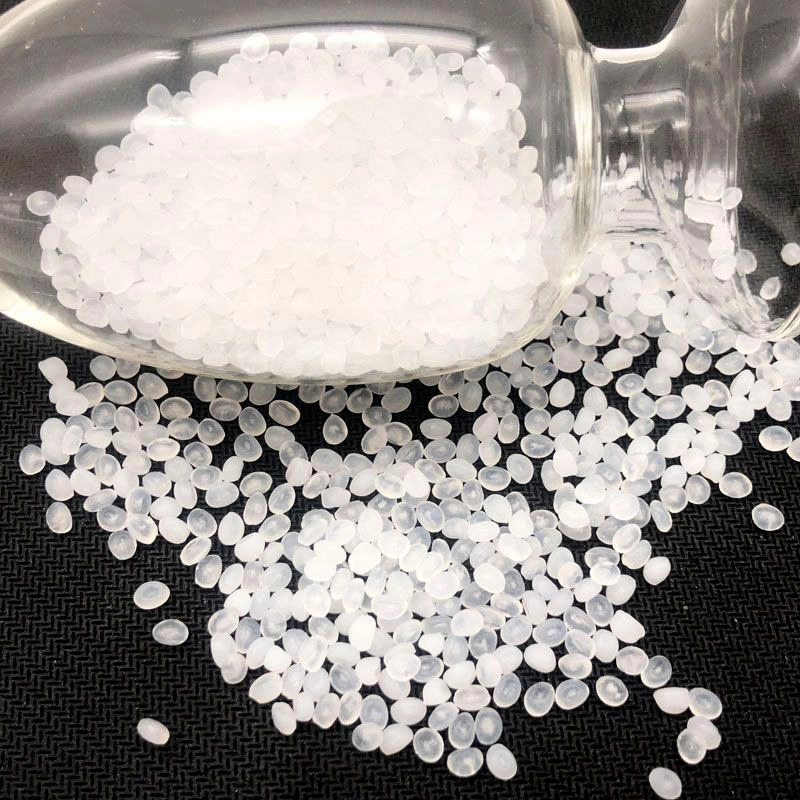
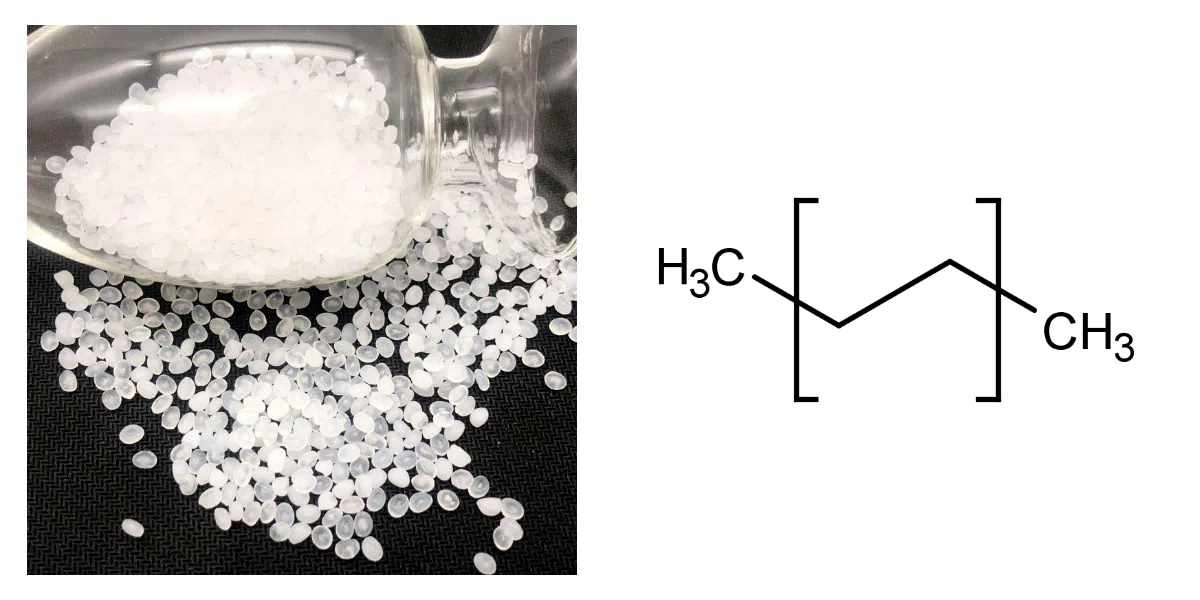
Polyethylene (PE) is currently the most produced high-performance plastic in the world, taking the top spot in global plastic output. LDPE is mostly used for flexible items like films and coatings, while HDPE is found in rigid products such as bottles and containers—it can also be turned into fibers (called ethylene fibers in Chemicalbook) for making fishing nets, ropes, and similar things. UHMWPE has a great set of properties, including excellent resistance to cracking under stress, low moisture absorption, strong fatigue resistance, and high impact strength. That's why it's often used in textile machinery for parts that need to withstand wear and impact—like rubber joints, gears, and washers.
Chemical Properties
| English Name | Polyethylene |
| English Synonyms | pad522;pe512;pe617;pen100;pep211;pes100;pes200;petrothene |
| CAS Number | 9002-88-4 |
| Molecular Formula | (C2H4) n |
| Molecular Weight | 28.05316 |
| EINECS Number | 618-339-3 |
| Melting point | 92 °C |
| Boiling point | 48-110 °C (Press: 9 Torr) |
| Density | 0.962 g/mL at 25 °C |
| Refractive index | 1.51 |
| Flash point | 270℃ |
| Storage conditions | -20℃ |
| Form | Powder |
| Color | White |
| Specific gravity | 0.95 |
| Biological origin | rabbit |
| Water solubility | Soluble in acetone and benzene. Insoluble in water. |
| Merck value | 147,567 |
| Dielectric constant | 2.2 (Ambient) |
| Stability | Stable, but slowly decomposes under UV light or sunlight. Incompatible with halogens, strong oxidizers, benzene, petroleum ether, aromatic hydrocarbons and chlorinated hydrocarbons, and lubricating oils. |
| Surface tension | 35.7 mN/m at 20°C |
Product Application