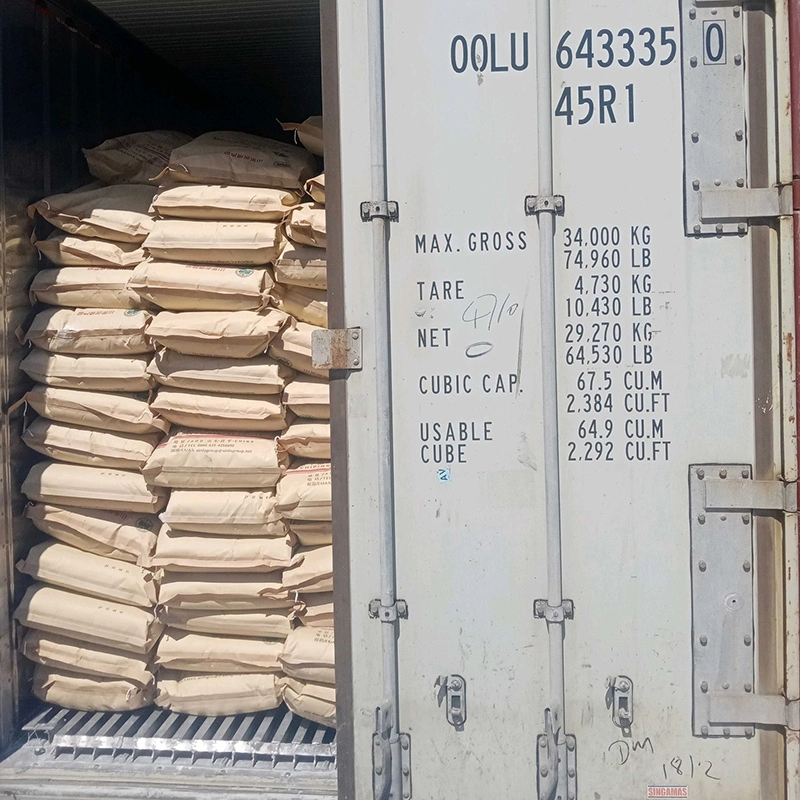
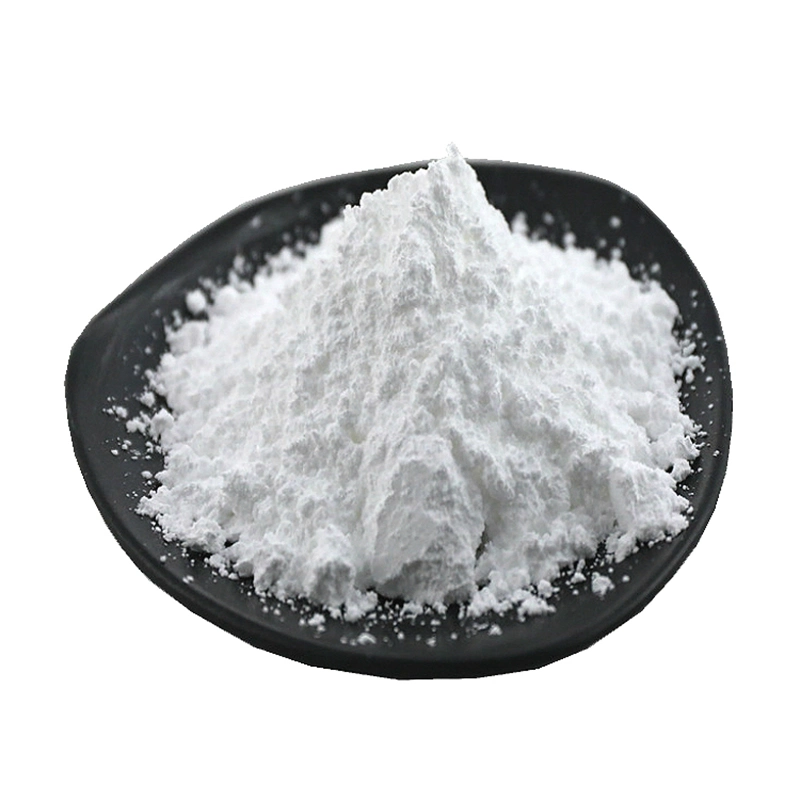
Product Description of Sodium Amide CAS#7782-92-5
Sodium Amide (also known as sodium ammonia) is a white to olive-green crystalline powder with an ammonia-like odor. Its chemical formula is NaNH₂, with a molecular weight of 39.01, a melting point of 210°C, and a boiling point of 400°C. Upon heating to 500–600°C, it decomposes into sodium, nitrogen, and hydrogen. It reacts vigorously with water, producing sodium hydroxide and releasing ammonia gas. It is slightly soluble in liquid ammonia and reacts slowly with alcohols.
The compound readily absorbs carbon dioxide and moisture from the air, necessitating storage in sealed containers. In its molten state, it can dissolve metals such as magnesium, zinc, molybdenum, and tungsten, as well as materials including quartz, glass, and silicates. As an ionic compound, it contains the amide ion NH₂⁻, which is formed by the removal of a hydrogen atom from ammonia and subsequent combination with sodium ions.
Sodium amide is flammable, explosive, corrosive, and hygroscopic. Owing to the lone electron pair on the amino group, it readily binds protons and undergoes vigorous hydrolysis in water, yielding an alkaline solution according to the reaction: NaNH₂ + H₂O → NaOH + NH₃. It is soluble in liquid ammonia and hot ethanol. Its dust is toxic and can cause severe irritation to the skin, eyes, and respiratory tract, while direct contact may result in corrosive burns.
In organic synthesis, sodium amide is widely used as an aminating agent, condensation promoter, dehydrating agent, dehalogenation reagent, alkylating agent, and polymerization initiator. It is also an important raw material for the production of hydrazine, sodium cyanide, azides, cyanides, and indigo.
Sodium amide is readily oxidized upon exposure to air, forming a yellow oxidation layer on its surface. Some oxidation products are potentially explosive and can be triggered by friction or heat. Under vacuum heating at 300–330°C, it decomposes into nitrogen, sodium, hydrogen, and ammonia. Therefore, it should be stored in sealed containers under an inert atmosphere, protected from contact with air, moisture, and ignition sources.
Industrially, sodium amide is produced by reacting molten sodium with gaseous ammonia at 300–400°C. In laboratory settings, it can be prepared by reacting sodium with liquid ammonia at room temperature in the presence of a catalyst. It can also react with carbon monoxide to produce sodium cyanide, an important chemical intermediate.
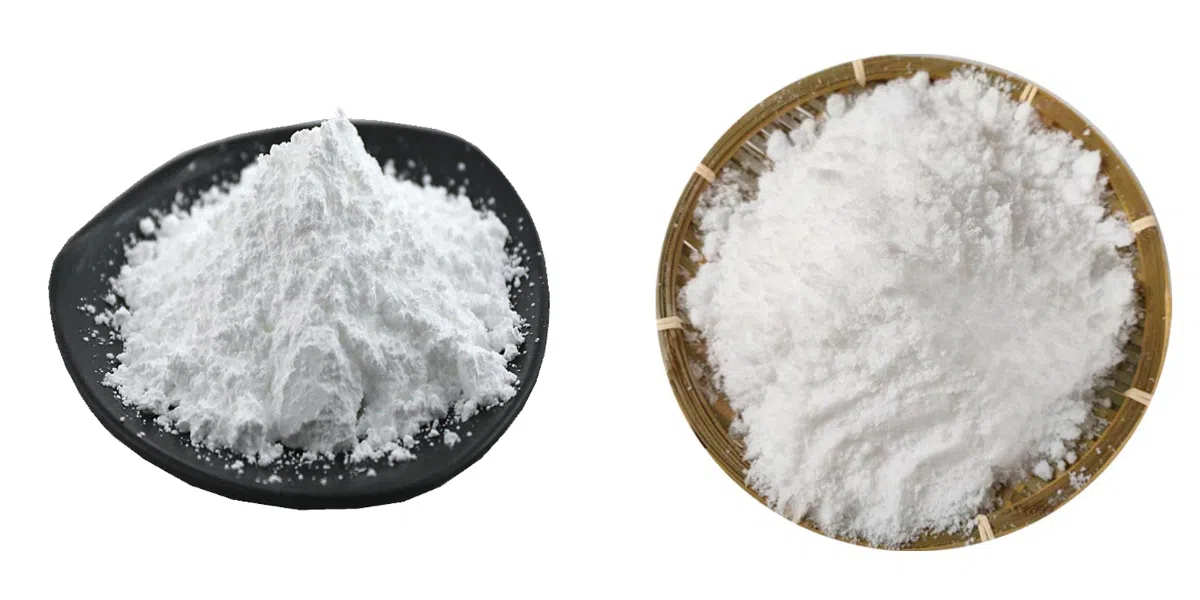
Sodium amide Chemical Properties
| Melting point | 210 °C (lit.) |
| Boiling point | 400 °C (lit.) |
| density | 1.39 g/cm3 (25℃) |
| Fp | 85 °F |
| storage temp. | Store below +30°C. |
| solubility | reacts with H2O |
| form | crystalline |
| color | Greyish white powder |
| Odor | Ammonia like |
| Water Solubility | REACTS VERY VIOLENTLY, EVEN EXPLOSIVELY |
| Sensitive | Air & Moisture Sensitive |
| Merck | 148576 |
| Stability: | Stability Flammable. Reacts violently with water producing very toxic fumes. In case of fire do not use water, but instead smother with soda ash. May form explosive peroxides if heated, or if stored for extended periods in contact with air or oxygen. Incompatible with water and aqueous solutions, carbon dioxide, halogenated hydrocarbo |
| CAS DataBase Reference | 7782-92-5(CAS DataBase Reference) |
| EPA Substance Registry System | Sodium amide (Na(NH2)) (7782-92-5) |
| Hazard Codes | F,C,Xi,N |
| Risk Statements | 14/15-19-34-20/21-10-67-65-63-48/20-11-36/37-15/29-14-50-29 |
| Safety Statements | 26-43-45-62-7/8-43D-36/37/39-27-16-61 |
| RIDADR | UN 3129 4.3/PG 2 |
| WGK Germany | 2 |
| F | 37917 |
| Autoignition Temperature | 450 °C |
| TSCA | Yes |
| HS Code | 2853 90 90 |
| HazardClass | 4.3 |
| PackingGroup | II |
| Hazardous Substances Data | 7782-92-5(Hazardous Substances Data) |
Product Application of Sodium Amide CAS#7782-92-5
In organic chemistry, this compound functions as a condensation promoter and is a significant raw material for the synthesis of vitamin A. Its utility also includes serving as a dehydrating agent, dehalogenating agent, alkylating agent, and aminating agent.
In liquid ammonia, it dissociates into NH₄⁺ ions and acts as an initiator for the anionic polymerization of polyvinyl chloride. Furthermore, it is used in organic synthesis and pharmaceutical applications to produce azides, cyanides, indigo, hydrazine, and other intermediate chemicals.